This is amplified by real concerns for people’s safety, life, and liberty. Criminal enterprises continue to engage in identity theft and financial fraud. Terrorist attacks, like those recently in France, further fuel our fears and heighten the impulse to use more invasive state surveillance techniques.
Add to this the sea-change in the landscape created by mobile devices, which will look like nothing compared to the changes ushered in by the Internet of Things. We have more data, more collection points, more providers, more sensitive information, and growing commercial and state appetites to use the data that define our lives.
So why celebrate? Well, a set of forces seems to be converging that indicates a corresponding change in attitude to better protect consumers and change the pH of the ecosystem so it’s more habitable for businesses and users alike.
The FTC released a thoughtful report on IoT that gives us a framework to get ahead of the changes. President Obama recently proposed new cyber-security and data breach legislation that is promising, provided the voices of civil society advocates like CDT and the EFF remain engaged.
The EU continues to work on updating the data protection act to address both the technological and societal changes that have occurred since it was first drafted. More importantly though, the heat in this space has been turned up. There is more debate. More industry leaders are devoting increasingly more mind share. Notions of choice, transparency, control, and reasonable defaults – the very threads that weave the fabric of trust that we depend upon – are no longer dirty words.
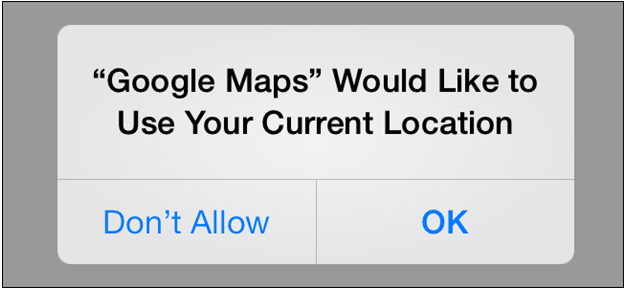
While these may seem like concepts beyond your desktop, there is a lot each of us can do to take back some of our privacy. Today, I actively managed my privacy settings in iOS. I disabled location services for all those apps where it didn’t make sense. Why for example do the camera or ADP (payroll) apps need to use my location in the background when I’m not using them? Something doesn’t seem right.