Monthly Archives: April 2015
phpSFP Schedule Facebook Posts 1.5.6 SQL Injection
phpSFP Schedule Facebook Posts version 1.5.6 suffers from a remote SQL injection vulnerability.
Three AVG performance tools for your new PCs
There are a few things you absolutely must do on your new PC, laptop or ultrabook so you can really get the most out your new gear. I have put together some handy tips using AVG tools to ensure that you’re not left disappointed!
Before we start, you should visit parts one and two to make sure that your old machine doesn’t go to waste!
Secure and optimize your PC from Day One
No one likes pre-installed bloatware, spyware or viruses. Constant popups or icons in the notification tray can ruin the feel of a new device. I’d advise making our performance and protection bundle the first thing you download to keep your PC clean and virus free.
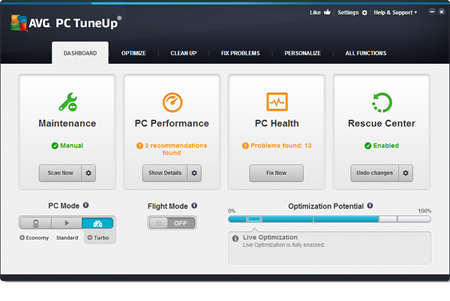
Also have a look at some of the performance tips for new PCs on our blog:
- Ultimate Optimization Guide Part One
- Ultimate Optimization Guide Part Two
- Ultimate Optimization Guide Part Three
A lot of these tips dive deeper into the performance features of AVG PC TuneUp and show you how they work, step by step.
Get rid of unwanted programs and files
These days, PCs come with a lot of preinstalled trial software and advertising. While some of this software can actually be useful, in many cases they can slow down performance and get in the way. My advice is to use AVG PC TuneUp’s Uninstall Manager to get rid of programs you may no longer need.
Within AVG PC TuneUp, simply go to “Optimize” and click the “Uninstall Programs” button. From here you can click on Load to show you the programs that slow you down the most, or you can use “Filter list” to look out for large or rarely used programs and get rid of them in a snap.
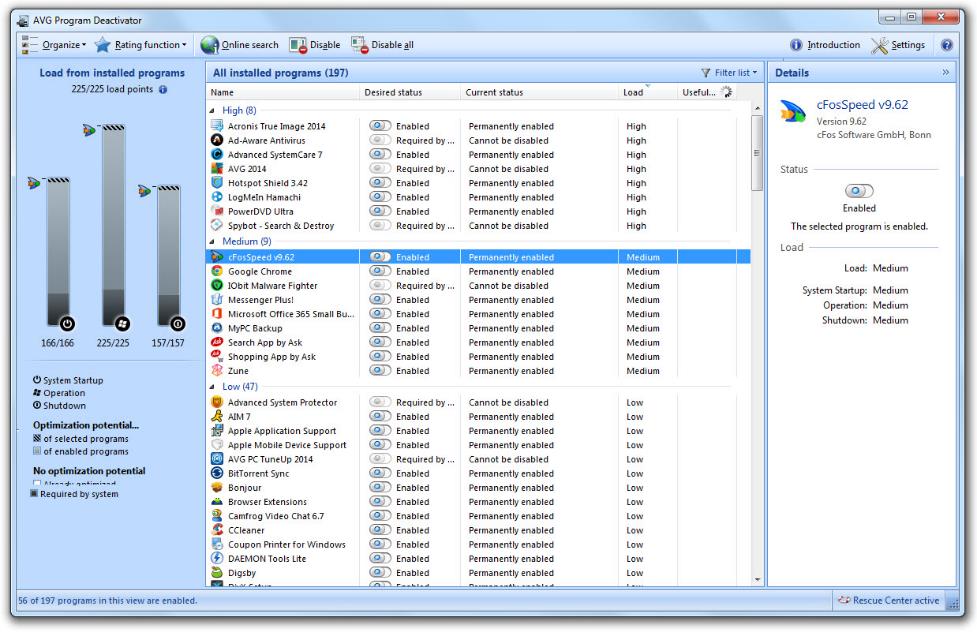
If you need some of these programs, you can also “freeze” them so they don’t consume resources: To do that, click on “Deactivate Programs” and flip the switch. This will turn off the background activity (which slows down your system) until you start it!
Update your drivers
When it comes to performance, drivers are a hugely important of the puzzle. They control the hardware that’s built-into your machine. They control how your graphics work, how your Wi-Fi transmits data, how your hard disk stores its data or how and when your Bluetooth connects to your phone.
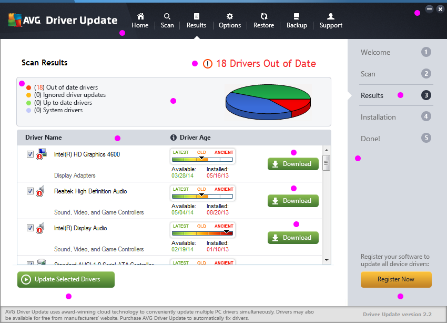
That’s why you should install AVG Driver Update to make sure that you get the latest drivers all the time!

Hackers set up Pirate Bay clone to distribute banking trojan
WordPress sites are being targeted by a Pirate Bay clone set up by hackers to distribute malware and a banking trojan, reports The Next Web.
The post Hackers set up Pirate Bay clone to distribute banking trojan appeared first on We Live Security.
CVE-2014-5400 (mednet)
The installation component in Hospira MedNet before 6.1 places cleartext credentials in configuration files, which allows local users to obtain sensitive information by reading a file.
CVE-2014-5403 (mednet)
Hospira MedNet before 6.1 uses hardcoded cryptographic keys for protection of data transmission from infusion pumps, which allows remote attackers to obtain sensitive information by sniffing the network.
CVE-2014-5405 (mednet)
Hospira MedNet before 6.1 uses a hardcoded cleartext password to control SQL database authorization, which allows remote authenticated users to bypass intended access restrictions by leveraging knowledge of this password.
CVE-2014-8390 (vampset)
Multiple buffer overflows in Schneider Electric VAMPSET before 2.2.168 allow local users to gain privileges via malformed disturbance-recording data in a (1) CFG or (2) DAT file.
CVE-2015-0666 (prime_data_center_network_manager)
Directory traversal vulnerability in the fmserver servlet in Cisco Prime Data Center Network Manager (DCNM) before 7.1(1) allows remote attackers to read arbitrary files via a crafted pathname, aka Bug ID CSCus00241.
CVE-2015-0682 (unified_communications_domain_manager)
Cisco Unified Communications Domain Manager 8.1(4) allows remote authenticated users to execute arbitrary code by visiting a “deprecated page,” aka Bug ID CSCup90168.