Unspecified vulnerability in Uconnect 15.26.1, as used in certain Fiat Chrysler Automobiles (FCA), allows remote attackers in the same cellular network to control vehicle movement, cause human harm or physical damage, or modify dashboard settings via vectors related to modification of entertainment-system firmware and access of the CAN bus due to insufficient “Radio security protection,” as demonstrated on a 2014 Jeep Cherokee Limited FWD.
Monthly Archives: July 2015
Award-Winning WatchGuard Dimension Changes Set the Bar for Network Security Visibility
Sleeker interface, role-based controls, and new management features make it easier and more intuitive for network IT pros to see threats and stop them instantly


CVE-2015-1905
The REST API in IBM Business Process Manager (BPM) 7.5.x through 7.5.1.2, 8.0.x through 8.0.1.3, 8.5.0 through 8.5.0.1, 8.5.5 through 8.5.5.0, and 8.5.6 through 8.5.6.0 allows remote authenticated users to bypass intended access restrictions on task-variable value changes via unspecified vectors.
CVE-2015-1906
Cross-site scripting (XSS) vulnerability in the REST API in IBM Business Process Manager (BPM) 7.5.x through 7.5.1.2, 8.0.x through 8.0.1.3, 8.5.0 through 8.5.0.1, 8.5.5 through 8.5.5.0, and 8.5.6 through 8.5.6.0 allows remote authenticated users to inject arbitrary web script or HTML via a crafted URL.
CVE-2015-2134
Cross-site request forgery (CSRF) vulnerability in HP System Management Homepage (SMH) before 7.5.0 allows remote authenticated users to hijack the authentication of unspecified victims via unknown vectors.
CVE-2015-4554
Multiple unspecified vulnerabilities in TIBCO Spotfire Client and Spotfire Web Player Client in Spotfire Analyst before 5.5.2, 6.0.x before 6.0.3, 6.5.x before 6.5.3, and 7.0.x before 7.0.1; Spotfire Analytics Platform for AWS 6.5 and 7.0.x before 7.0.1; Spotfire Automation Services before 5.5.2, 6.0.x before 6.0.3, 6.5.x before 6.5.3, and 7.0.x before 7.0.1; Spotfire Deployment Kit before 5.5.2, 6.0.x before 6.0.3, 6.5.x before 6.5.3, and 7.0.x before 7.0.1; Spotfire Desktop before 6.5.2 and 7.0.x before 7.0.1; Spotfire Desktop Language Packs 7.0.x before 7.0.1; Spotfire Professional before 5.5.2, 6.0.x before 6.0.3, 6.5.x before 6.5.3, and 7.0.x before 7.0.1; Spotfire Web Player before 5.5.2, 6.0.x before 6.0.3, 6.5.x before 6.5.3, and 7.0.x before 7.0.1; and Silver Fabric Enabler for Spotfire Web Player before 2.1.1 allow remote attackers to execute arbitrary code or obtain sensitive information via unknown vectors.
Google Releases Security Update for Chrome
Original release date: July 21, 2015
Google has released Chrome version 44.0.2403.89 for Windows, Mac, and Linux to address multiple vulnerabilities. Exploitation of one of these vulnerabilities may allow an attacker to take control of an affected system.
Users and administrators are encouraged to review the Chrome Releases page and apply the necessary update.
This product is provided subject to this Notification and this Privacy & Use policy.
CVE-2015-5610
The RSM (aka RSMWinService) service in SolarWinds N-Able N-Central before 9.5.1.4514 uses the same password decryption key across different customers’ installations, which makes it easier for remote authenticated users to obtain the cleartext domain-administrator password by locating the encrypted password within HTML source code and then leveraging knowledge of this key from another installation.
Smartwatch security ‘lacking’ says HP study
Smartwatch security is noticeably absent in most devices, leaving users at risk of cyberattacks.
The post Smartwatch security ‘lacking’ says HP study appeared first on We Live Security.

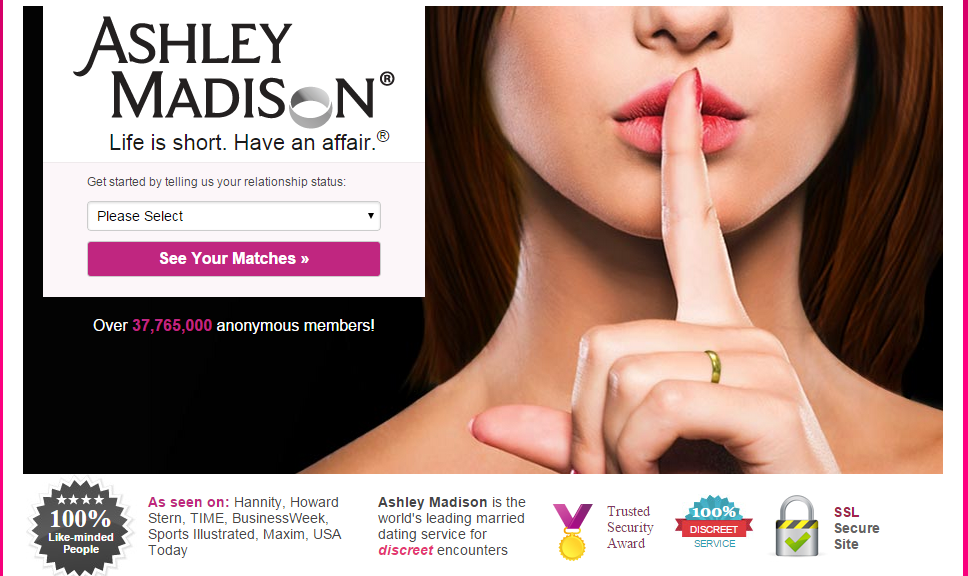
Is the Ashley Madison data breach worse than other data breaches?
Ashley Madison calls itself the “most famous website for discreet encounters between married individuals”. Now, the platform for infidelity and dating has been hacked and its user database of 40 million cheaters with their real names, addresses, financial records, and explicit information were stolen. Discreet is done.
Did the married Ashley Madison customers really think their extramarital activities could be discreet?
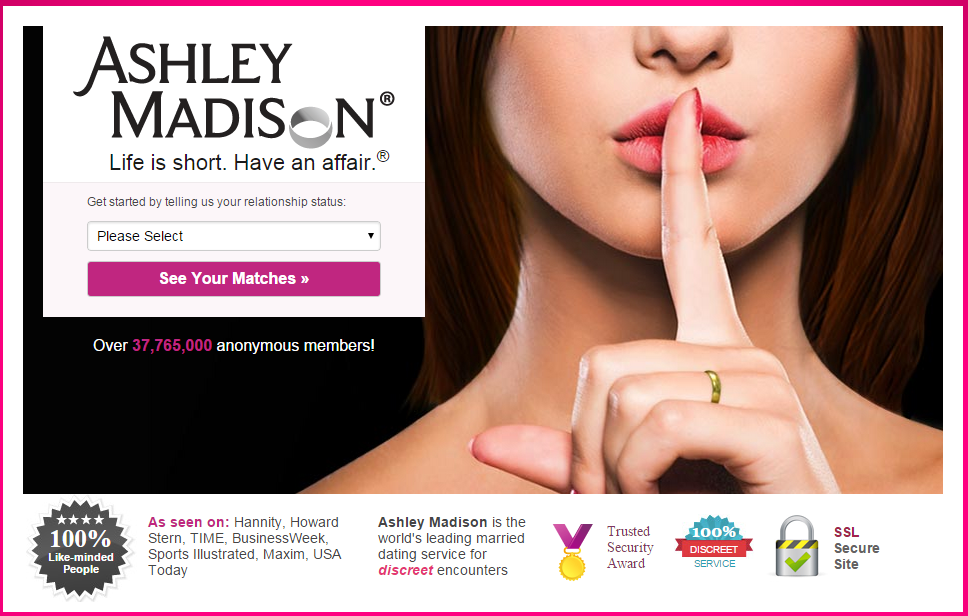
image: www.ashleymadison.com
The past months and years, Target was hacked, Home Depot, BlueCross BlueShield, and even the U.S. government was hacked and data of tens of millions of people were exposed. Wal-Mart, CVS, and Costco had to take down their photo service websites last week as they are investigating a possible data breach. News about new data breaches break every month, sometimes even every week. Just in May, the dating site AdultFriendFinder was hacked, and sensitive information about 3.5 million people was leaked. It shouldn’t come as a surprise to Ashley Madison users that this data breach happened. It was just a matter of time.
Avid Life Media (ALM), the owner of Ashley Madison, seems to have the same stance. In a statement to the media, published by Brian Krebs who first reported the hack, they said: “The current business world has proven to be one in which no company’s online assets are safe from cyber-vandalism, with Avid Life Media being only the latest among many companies to have been attacked, despite investing in the latest privacy and security technologies.”
Hackers holding ALM ransom
According to reports, a hacker group called “The Impact Team” seems to be behind this breach and they reportedly demand a ransom from ALM. The hacking group is threatening to expose “all customer records, including profile with all the customer’s secret sexual fantasies and matching credit card transactions, real names and addresses, and employee documents and emails” if ALM does not take down Ashley Madison and their other casual dating platform, Established Men.
Moral reasons for the hack
In a document, The Impact Team explained its apparent moral motives behind the breach. Regarding the Ashley Madison users, they write “they’re cheating dirtbags and deserve no such discretion”, and describe Established Men as a “prostitution / human trafficking website for rich men to pay for sex.”
Furthermore, they call out ALM for misguiding its users by offering a “full delete” feature that will allegedly delete your payment and address details from its database for a fee of $19. The Impact Teams writes: “It’s also a complete lie. Users almost always pay with credit card; their purchase details are not removed as promised, and include real name and address, which is of course the most important information the users want removed.” According to the hackers’ manifesto, ALM made $1.7 million in revenue alone with this feature in 2014.
How did The Impact Team get access to the data?
According to information revealed to Brian Krebs by ALM, it is likely that the data breach happened through somebody who internally had access to ALM’s technical systems, like a former employee or contractor.
As this data breach puts sensitive personal information at risk – is it worse than previous breaches, like the Target breach that exposed customer credit card numbers?
Jaromir Horejsi, Senior Malware Analyst at Avast said,
“From what we know about the technical circumstances of how this happened, it isn’t worse than other breaches. As a former employee or contractor might have been involved, this doesn’t sound like something that required a sophisticated hack. However, more sensitive personal data is involved, and that is what is making people shiver.”
On the other hand, if somebody is cheating on their spouse, they always are walking on thin ice and have to fear that their partner will find out about it some way or another. This is nothing new.
“What’s more sensitive in this case, is that address and financial data was revealed and therefore could be abused for identity theft,” Jaromir Horejsi added. “The personal data may be sold on hacking forums and later used for spamming the affected individuals. It also didn’t take long until the data from the AdultFriendFinder breach made its rounds on hacking forums. People should take this seriously. What users can learn from this is that any information shared online can be stolen. Just because things take place or at least start in the virtual world doesn’t mean that they have a lower impact on your real life. Users that may be affected should start monitoring their credit card statements for unusual activities and report them to their bank.”
In theory, it would also be possible for the hacker group to start blackmailing individuals – in this case it would be best for those affected to be upfront with their partner to take the wind out of the criminal’s sails. However, judging from the type of ransom the hacker group is demanding, this is rather unlikely – as their real goal seems to be to take down Ashley Madison and Established Men.
Follow Avast on Twitter where we keep you updated on cybersecurity news every day.
