Category Archives: Antivirus Vendors

Antivirus Vendors

The arrival of toy drones

Drones have landed – as one of the hottest gifts over this past holiday season and one of the biggest hits at the 2015 Consumer Electronics Show this past week.

Unmanned aircraft systems (UAS), as they are also known, are like model airplanes on steroids. They can hover, fly and often come equipped with cameras. They can belong to you or anyone else for under $100 dollars.

The cheap availability and growing capabilities of drones means that there are privacy and safety issues at stake.

We’ve already seen drones experience near misses with aircraft at major airports while unmanned flying cameras are an obvious threat to privacy.

It’s clear that drones are going to be around for a while and that legislation is needed to set reasonable and responsible limitations for recreational drone use.

However, regulation is still very much up in the air, if you’ll pardon the pun.


Who is taking action on drones?

The U.S. Federal Aviation Administration has issued a list of do’s and don’ts for flying safety regarding model aircraft for recreational use. These mostly focus on keeping them away from flying aircraft, airports and within sight line of the user. (See guidelines here.)

National Parks Service has banned drones from all National Parks, worried that the noise and proximity to wildlife would disturb nesting, migratory, and reproductive habits. The NPS also noted visitor safety was an issue.

Drone industry officials announced that they are teaming up with the government and model aircraft hobbyists to launch a safety campaign, which includes a website (www.knowbeforeyoufly.com) that includes safety tips and FAA regulations.

In the U.K, the Civilian Air Authority has already set protocols, mostly involving flying over congested areas and airspace, and the European Aviation Safety Agency is developing EU-wide safety standards which reportedly will be as high as those for manned aircraft.

Commercial use of drones has become a thorny subject and there is pending legislation in U.S. Congress that might even require commercial drone operators to have pilot licenses.

With all this legislation in the works, it’s clear there’s a lot more to this year’s hot toy story than first meets the eye. And you can bet there’s going to be a lot more to come…

Title image courtesy of firstsing

Be careful if you use Linux in your company: It is not immune

linux malware

The most common open operating systems are often seen, and not without its reasons, as a good option for companies. Unlike Windows, installation is free or costs very little and they do not need constant upgrading.

Another benefit is security. Viruses often target Windows computers and there is no place for them on devices running this software. Therefore, many IT departments choose open operating systems. However, despite their many strong points, they are not immune (if anyone thought otherwise).

2014 was not a good year for Linux. During the year, different types of malware and vulnerabilities affecting this software were detected, ending its reputation as unbreachable and giving its followers something else to worry about; from now on, they will have to pay more attention to the security of their computers.
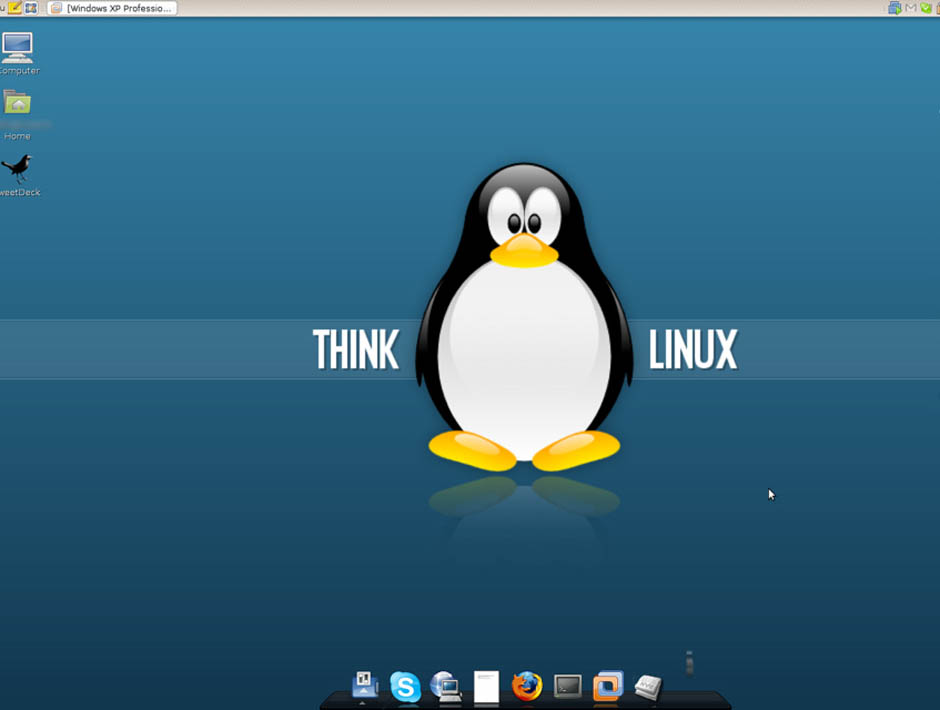
Linux

One of these concerns comes in the form of Turla, malicious software that is also known as Snake or Ouroboros. It is believed to have come from Russia but it has been infecting Windows computers worldwide for years. Recently, a version of this Trojan targeting Linux was also detected.

Turla uses a backdoor to give cyber-criminals access to the computer, as if they were just another user, without needing to use the ‘root’ account (the account that has all rights and permissions). As a result, the restrictions that the operating system puts on this type of entry are bypassed.

Home users, in principle, do not need to worry, but the same does not apply to companies. Those who use the aforementioned malware usually do so for corporate espionage or surveillance, not for stealing credit card numbers.

In addition, X.org, a server on which open-source graphic interfaces can be run (including Linux), is also vulnerable. Several vulnerabilities have been published that make its users an easy target for cybercriminals.

Another security flaw that has been on the operating system for years is Shellshock, which does not affect Windows. The bug lies in the program that parses the open software commands (Bash). When a Linux device connects to an insecure Wi-Fi network, this window allows a Trojan to get into the device without any problems. Fortunately, the security patches released have fixed the hole.

But security flaws and malware are not the only headaches of open operating system users. It is not always easy to get the security patches prepared by developers. Whereas access to modifications to search engines and other important programs is guaranteed, the same does not occur with other components.
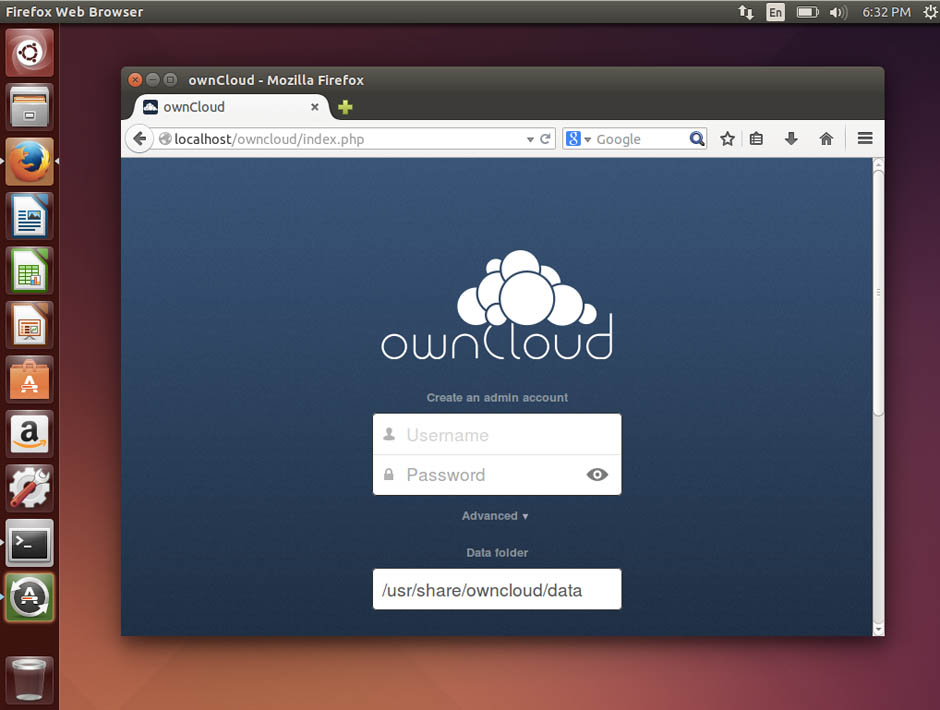
Linux-firefox

An example is what happened with Owncloud, an application for storing files online in open format (an alternative to the well-known Dropbox). When installed under Ubuntu, one of the most popular Linux distributions, it did not execute any security updates. The developer had stopped working on the tool, leaving it at the mercy of cyber-criminals.

Something similar happens with other open-source programs that are not widely used or distributed, such as the user interface Manjaro, which has not received any security modification for a long time either.

Do you use Linux at home or on your computer at work?

The post Be careful if you use Linux in your company: It is not immune appeared first on MediaCenter Panda Security.

How to make a strong password in 3 easy steps

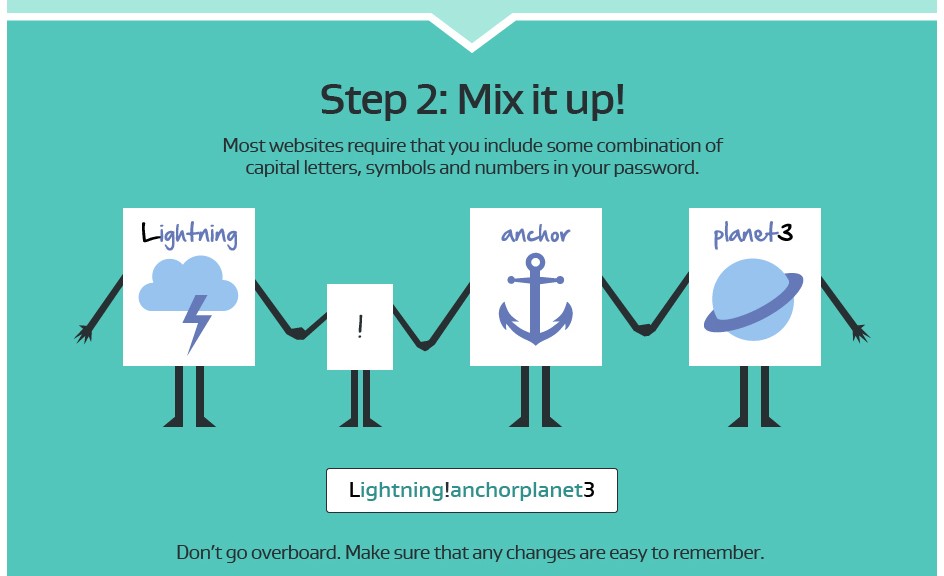
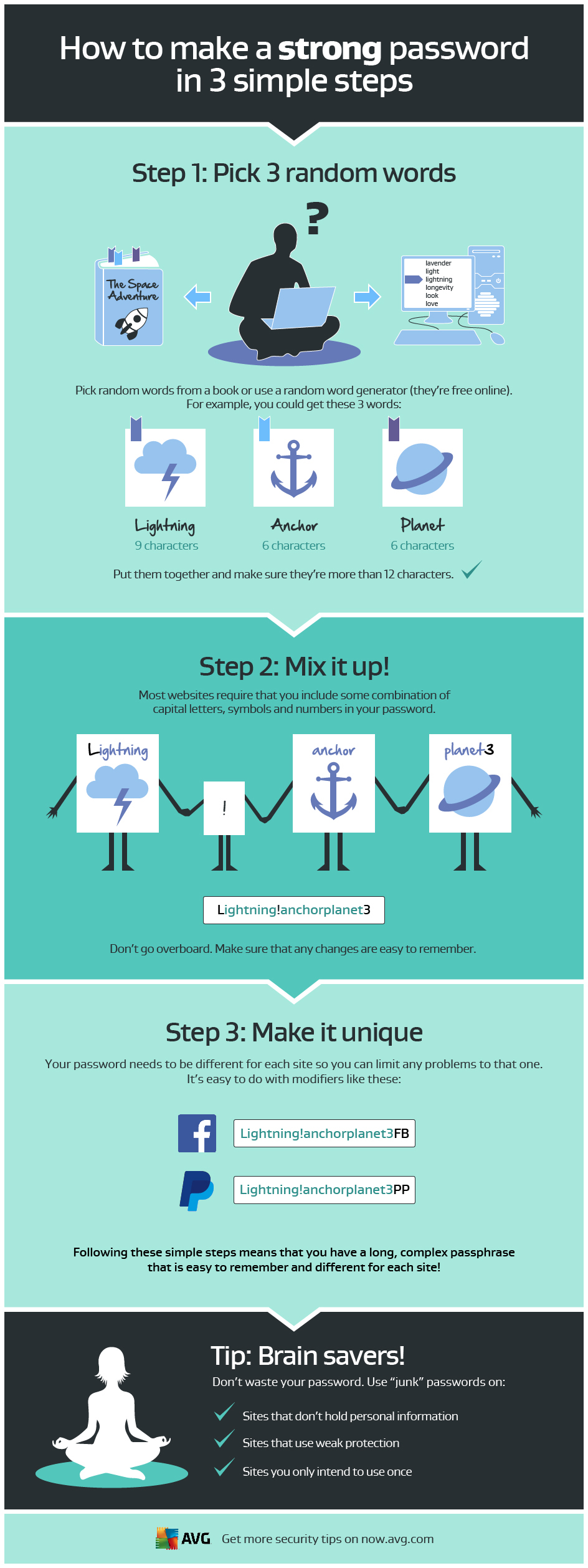
The truth is that the most important aspect of a password is actually length: a relatively simple but longer password is harder to crack than a really convoluted short one.

With that in mind, we put together a really simple method for you to create a strong password, and not go insane trying to remember it.

Password Infographic


Little systems like these can help you create strong passwords easily. Updating them can be simple if you add a simple letter or number to change over time.

If you still find this too complicated, you can always use a password manager like RoboForm.
With a password manager, you’ll only need to remember a single master password: it will create new random passwords and remember them for you every time you need them.