As we continue to do more things with our smartphones, the threat posed by mobile malware increases. Here’s a short history of its development.
The post A history of mobile malware from Cabir to SMS Thief appeared first on WeLiveSecurity.

Antivirus Vendors
As we continue to do more things with our smartphones, the threat posed by mobile malware increases. Here’s a short history of its development.
The post A history of mobile malware from Cabir to SMS Thief appeared first on WeLiveSecurity.
Results from the Kaspersky Lab Consumer Security Risks Survey show that 20 percent of ransomware victims in North America claimed they did not get their files back even if they have paid the cyber criminals.
Here’s a list of the 10 tools every white hat hacker needs in their toolkit, says ESET’s Lucas Paus.
The post 10 gadgets every white hat hacker needs in their toolkit appeared first on WeLiveSecurity.

It seems the current DDoS tactics from cybercriminals is to gain control over millions of IoT devices and direct their power towards any target they choose.
The post Trick or threat? How zombie IoT devices surprised the internet appeared first on WeLiveSecurity.

A variant of the Android banking Trojan GM Bot is now targeting customers of more than 50 banks around the world, including Citibank, ING, and Bank of America. In the last three months, our mobile users encountered GM bot more than 200,000 times.


Biometrics continue to stand first in line to replace traditional passwords. All those whose employees use long and complex combinations of letters and numbers will be looking forward to a system whereby all that is required is for a fingerprint or iris pattern to be recognized by a sensor in order to access the services that employees have to use every day.
Nevertheless, in addition to these two popular systems which some latest generation mobile devices already incorporate, other biometric-based systems have been put forward as the alternative that will finally consign traditional passwords to history. This is the case with signature recognition.
The truth is that this is a system that has been around for decades, in one form or another. Whenever you pay by credit card and have to sign a digital screen with an e-pencil, signature recognition is being used to confirm your identity. What’s happening is that your signature pattern is being contrasted with the one that your bank has stored in its systems.
This is not however a simple comparison of both images. The security software doesn’t just place the two signatures next to each other to see if they coincide, or at least, if they are similar. In reality, signature recognition compares the way that both images have been created, looking for a similar behavioral pattern.
So although it may be relatively simple to forge a signature, replicating the speed and pressure that was used to make the signature is practically impossible. As such, signature recognition using the most advanced technologies appears to be the perfect replacement for passwords for operating corporate bank accounts.
However, as with all secure identification methods, there are also downsides. One of the major setbacks is that the way we sign things varies for a number of reasons, which is a serious challenge. For the system to be practical, it is essential to be able to distinguish between a slow signature due to an injury and one that is the result of an attempted fraud.
Moreover, it is not an efficient way, at least at present, of accessing services. In fact, when you sign for something when paying for it, this data is not being used in real time. Instead, the data is sent to your bank to be validated later.
The current failings, however, of signature recognition will not see the door closed on this technology. It is more than likely that future corporate banking operations will be authorized through a simple signature on a tablet or smartphone.
The post Signature recognition, a reliable replacement for passwords? appeared first on Panda Security Mediacenter.
Kaspersky Lab has released a new report on botnet-assisted DDoS attacks for the third quarter of 2016, which is based on data received from Kaspersky DDoS Intelligence.
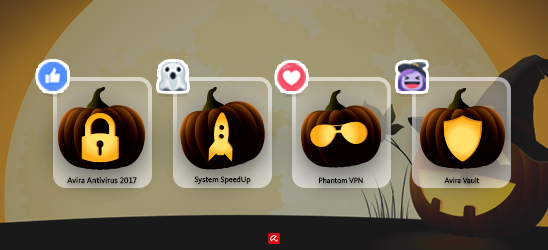
Seize the chance to win a 1-year license key for your favorite product! So what’s your favorite Avira product?
The post Raffle: What’s your favorite Avira product? appeared first on Avira Blog.
The personal details of 550,000 Australian Red Cross blood donors have been leaked in an event being described as Australia’s largest ever security breach.
The post 550,000 Australian Red Cross blood donor details leaked appeared first on WeLiveSecurity.

As the world celebrates International Internet Day, we take a look at how cybercriminal activity has evolved online.
The post International Internet Day: A great network targeted by cybercriminals appeared first on WeLiveSecurity.