
Tag Archives: featured1

5 questions with Timmy Forson: Business Support Hall-of-Famer

Business support person, Timmy Forson

Business support Hall-of-Famer, Timmy Forson

Timothy “Timmy” Forson is one of Avast’s business products finest Support Specialists. He began working at Avast on June 1st, 2015. We sat down to learn more about one of our support Hall-of-Famers. This is 5 questions with Timmy!

1. What is your role at Avast Software?

Senior Support Specialist. Basically I support all our business solution customers, from Endpoint and Server protection to Avast for Business via email, phone, and chat. I work from our Charlotte, North Carolina office.

2. What is your approach to supporting customers?

First, I analyze the customer’s issues one step at a time, this way I can gather a clear and concise picture of the overall problem. Then through a streamlined method of troubleshooting, I can provide a solution for the customer’s issue and communicate that as plainly as possible.

In this, I am not only solving the customer’s issue but also educating the customer about what caused the issue and how it can be further avoided. This way the customer walks away truly feeling how much they mean to us and not just like another number to the company. We want our customers to have a positive experience with support.  

3. What is your favorite part of chat support?

Not knowing what will show up in chat next. It is very rewarding taking someone’s bad day and turning it around just like that.

4. A lot of us have been “that customer,” the one that runs to support for something obvious. What is the funniest issue you’ve ever had to resolve? (KEEP IT G-RATED TIMMY ) :-)

This would have to be a customer that came into chat one day and needed help downloading the installer file from the console. I asked the customer to click on the blue “add new devices” button. They looked all over that page for the button and could not find it….about 30 seconds later they reply ”…oh…the blinking blue button that says ‘add new devices?” ….Yes….that is it I replied. Everyone has those moments.

5. Traditionally the last question is not work related. I understand you fly stuff. Tell me all about that, then tell me what your favorite plane is and why?

I have been flying since the age of 14 (it runs in the family). I started out in a J-3 Piper Cub and rapidly moved my way up through the Cessna Caravan and also have time in a B-200 King Air and a BeachJet 400.

Currently, I fly search and rescue for the Civil Air Patrol (CAP), an auxiliary of the U.S. Air Force. We conduct 95% of all homeland search and rescue missions. We operate a beefed-up Cessna 182, and the Gruman GA-8.

Along with flying the big airplanes, I also enjoy designing, building, and flying R/C model aircraft as well. I currently have a collection of 12 airplanes and 4 helicopters. Here’s a video of Timmy flying one of his helicopters in the meeting room at Avast offices in Charlotte.

I would have to say that I have two favorite aircraft; the first one is from WW2 called the Republic P-47 Thunderbolt. It was a formidable fighter with a reputation for taking a pounding and bringing its pilots home safe. The other is my favorite fighter of today – the Boeing F/A-18 Super Hornet. I fell in love with these aircraft the first time I saw them when I was 5 years old at an airshow in Maryland.

Flying is the one thing that I can say without a doubt I am 100% passionate about. I am also a member of the Avast Aviators group on Google Plus. It is an internal group for anyone in Avast that enjoys the splendors of aviation.


Follow Avast on FacebookTwitterYouTube, and Google+ where we keep you updated on cybersecurity news every day.

Football leaks posing a worry to security for the football world

football leaks

In the past few weeks the website Football leaks has been publishing contracts relating to signings and transfers of football players from the world’s top leagues. While some accuse the people behind this page of hacking and document theft, they themselves have assured that they haven’t, in any moment, hacked anyone and that they actually have their own source who provides them with the information.

What’s certain is that when it comes to stealing information from a company, who has it easier than an employee of said company – they have knowledge of the systems, where information is stored, etc. Keep in mind that the majority of security practices are designed to protect a company from an external attacker, via perimeter protection and with an antivirus on the network’s computers.

Football Leaks and EDR protection

However, it isn’t common that they have more advanced security systems such as EDR (Endpoint Detection and Response), which allows them to have total control of what is running on the network, who is accessing certain documents, at what time, and what they end up doing with them. It is obvious that even though they want to invest in security solutions, nobody can guarantee that in no moment will we be compromised.

For this, EDR are the ideal solution – on one hand they offer a greater protection and control as regards what happens on our network, allowing us to know what is happening in real time, and give us valuable information. For example, if we have vulnerable programs – ones that haven’t been updated – that are running. On the other hand it gives us forensic information which allows us to investigate what happened when there is a security breach. This final point is what is really valuable.

Looking back at the case of Football Leaks, where confidential documents have been leaked, we see that these documents are in the possession of the clubs who make the contracts, the players who sign them, and any intermediary. If the clubs had this type of solution, it would be relatively easy to guess who accessed the documents, from where, and if there were any copies made. They could even know if other documents had been compromised.

The value that it offers is clear, however, the majority of companies focus their security spending on preventative measures. This Football Leaks case may just force businesses in this sector (football teams, federations, official organizations, etc.) to go beyond this and adopt the necessary measures to avoid this happening again, as they will have all of the information available should a similar event occur.

These steps aren’t very different to what businesses who already take their security seriously already do, such as banks and energy companies.

The post Football leaks posing a worry to security for the football world appeared first on MediaCenter Panda Security.

How to turn your old mobile into a home security system


broken smartphoneLong live mobile phones. Although smartphones are designed to be little more than ornaments as the years progress, what’s certain is that when we change our device for a newer model we can still get some final use out of the old one before it’s resigned to the bottom of a drawer.

Apart from the long list of ways to reuse an old phone that we have all seen more than once, a startup has proposed that we turn our old smartphones into sophisticated security systems – an application is all it takes to make your home safe thanks to The Olmose App.

app

For now, its creators are looking for financing via the crowdfunding platform Kickstarter. During the month of February they will try to gather the €100,000 necessary for the project to become a reality.

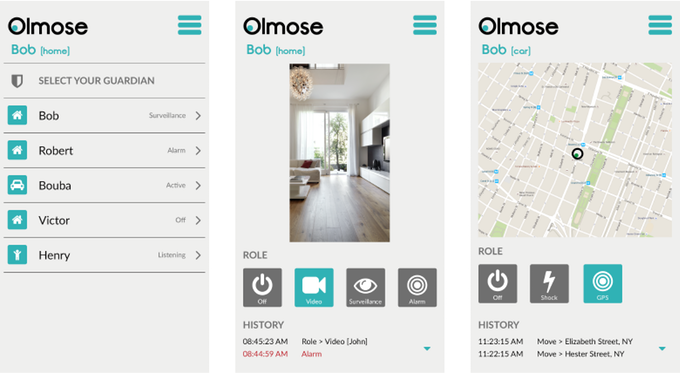
Helped by the support created by Olmose, old mobile phones will become the eyes and ears that keep watch on our homes when we aren’t there. To start, you need to install the app and on the old phone and the new one that you’ll be using daily, which will become the control center.

From there on, the old smartphone will identify any movement or sound which will set off an alarm that you carry in your pocket should an intruder try to enter your house.

dog smartphone

Besides these notifications, the application will record and post all that happens on the phone’s camera to the cloud.

Beyond this antitheft function, the app is also developed for parents who want to monitor their baby and even for those who want to control their cars – all it takes is leaving the old mobile in the car’s glove compartment, with the application activated, and you can find out where the car is if it is stolen.

This service won’t be free, and if the crowdfunding campaign is successful and Olmose manages to save old phones from being obsolete, those who want to use it as a security camera will have to pay around €24 to avail of a lifetime service.

However, by taking part in the crowdfunding campaign a potential user can obtain a license for just €20, which is the minimum contribution that one can give to the Kickstarter project in order to get something in return.

All going well, Olmose will be in app stores around the world in the next few months and will save many an old phone from being left cast aside. That old smartphone still has its uses, and although it may not be as fancy as your new one, it will possible help you out in the event of theft. Long live mobile phones!

The post How to turn your old mobile into a home security system appeared first on MediaCenter Panda Security.

Bargains, cards, and WhatsApp emoticons… the Valentine’s Day scams are here!

san valentin

Saint Valentine’s Day has as many lovers as haters. From those that love to spend the day with their significant other, or even celebrate singledom with friends, to those that hate being told when they should celebrate being in love.

What none of us are free from, however, are the ways in which cybercriminals try to trick us online. These criminals use any opportunity to claim new victims and this time of the year is no different – what may start out as a wonderful date could end up being a marriage from hell!

Valentine’s Day Bargains

Over the course of the next few days we will see online stores promoting special offers just for this occasion. These include an iPhone 6 for just €100, for example. In this case, just keep the old refrain about “there being no such thing as a free lunch” in mind.

WhatsApp Emoticons

We know that nearly everyone is dying to get new emoticons for WhatsApp and cybercriminals use Valentine’s Day to take advantage of this. You might see them trying to offer special, romantic themed emoticons but don’t download them – all you’ll get is malware! Remember to only download from official stores.

Gifts and SPAM for Valentine’s Day

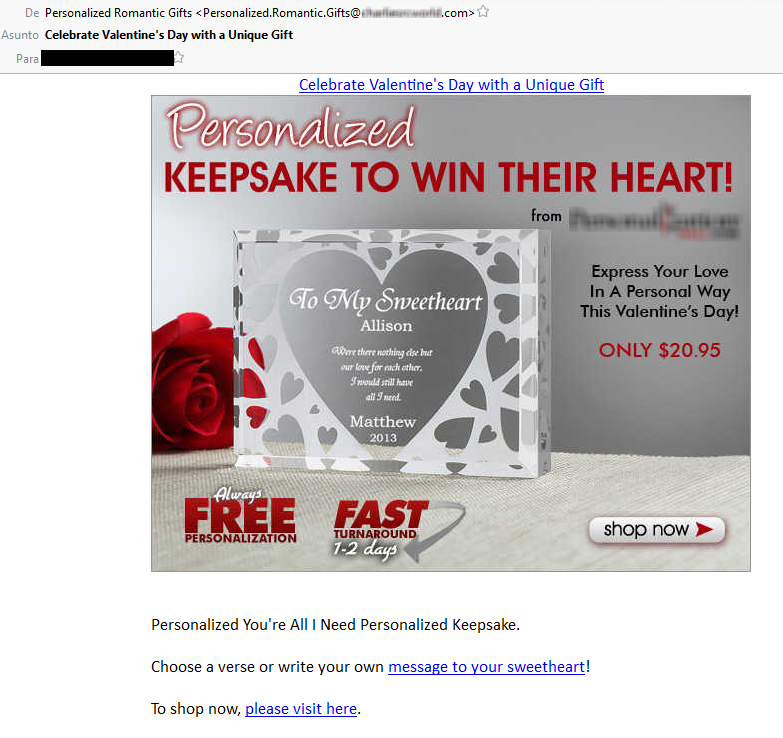
Even though you already know what you’re buying for your partner, you’ll surely receive lots of emails with wonderful suggestions. In most cases it’ll just be spam, but be careful if they come with an attachment as it could contain malware. Delete them and you won’t need to worry about any unwanted gifts!

san valentin spam

Romantic cards filled with malware

It’s pretty likely that you’ll receive an email with a supposed Valentine’s Day greeting. This digital card needs to be downloaded to be viewed… and we’re sure that you won’t be surprised to learn that this is just another way of infecting your computer with malware. So remember, don’t click on links that come from unknown sources.

Phishing for your passwords

Another of the attacks that could be seen over the next few days are the ones that try to get your login details for Facebook and Twitter. These are done by phishing attacks and use the romantic holiday as an excuse to launch attacks. Our advice is to never, ever give out your login details over the Internet.

The post Bargains, cards, and WhatsApp emoticons… the Valentine’s Day scams are here! appeared first on MediaCenter Panda Security.

Online dating scams target divorced, middle-aged women

mature woman looking out of the window on a rainy miserable day

Romance, or Sweetheart, scammers troll for lonely, vulnerable people on dating sites


Lonely hearts still waiting for their soulmate are easy prey for online dating scams.

Many people search for love through online dating sites, dating apps, or social media. Unfortunately, before you find your prince (or princess), you have to eliminate the frogs.

“Romance” scammers, sometimes referred to as “sweetheart” scammers take advantage of vulnerable people, especially divorced women over 40, by posing as an eligible romantic prospect.

How romance scams work

It all starts with a fake online profile. Scammers may use a fake name or steal the identity of a real person. There is often more than one person perpetuating the scam – there have been reports of a room full of people working from the same script. Often they portray their fictional selves as living overseas or on active duty in the military. This gives them a good reason for why they cannot meet their intended in person.

Romance scams are a long form of social engineering. The scammer can take weeks building an interesting backstory that draws their victim in, but they often express strong emotional feelings in a short period of time, which keeps the victim psychologically engaged. They use words filled with love, share personal information, and sometimes even send their victims small gifts.

Once trust is established, the scammer will push to take the communications to email or an instant messenger service. The new online lover will soon have a problem which requires money to fix. It could be a personal emergency like a family member who needs immediate medical attention, or some kind of financial hardship like a failed business or street mugging.

A shot to the heart

While declaring their love and devotion for the victim continually, the scammer may directly ask for money to be wired to them, send a check or money order and ask their sweetheart to cash it for them, or send a package and ask it to be reshipped to a different address. The Federal Trade Commission warns that scammers are now upping the ante and engaging in online bank fraud.

“They ask their love interest to set up a new bank account. The scammers transfer stolen money into the new account, and then tell their victims to wire the money out of the country. Victims think they’re just helping out their soulmate, never realizing they’re aiding and abetting a crime,” writes the FTC in their consumer blog.

The FBI’s Internet Crime Complaint Center (IC3) reports that the average complainant loses over a hundred thousand dollars to internet dating scams. They saw more than $82 million in victim losses in the last six months of 2014. Females suffered 82 percent of the losses; males sustained the remaining 18 percent.

Recognizing an online dating scammer

The online dating scam is a variation on the Nigerian scam, which started before the days of the internet. Here are tips from the FBI on how to identify a dating scammer.

Your online “date” may only be interested in your money if he or she:

  • Presses you to leave the dating website you met through and to communicate using personal e-mail or instant messaging
  • Professes instant feelings of love
  • Sends you a photograph of himself or herself that looks like something from a glamour magazine
  • Claims to be from your home country and is traveling or working overseas
  • Makes plans to visit you but is then unable to do so because of a tragic event
  • Asks for money for a variety of reasons (travel, medical emergencies, hotel bills, hospitals bills for child or other relative, visas or other official documents, losses from a financial setback or crime victimization).

If an online dating scam happens to you or someone you care about, please report it at ftc.gov/complaint — click on Scams and Rip-Offs, then select Romance Scams.

Google filters thousands of ads to avoid cyberattacks

google chrome

We’re all sick and tired of those pesky banners, pop-ups, and annoying advertisements that try to trick us into giving out our information when trying to surf the Internet. However, if it weren’t for Google, it could actually be a whole lot worse.

Just last year, the search engine monster disabled more than 780,000 advertisements that failed to adhere to the company’s privacy policy. This figure shows that Google is becoming more and more concerned about removing this type of advertising from its pages – in 2014 it blocked 524,000 advertisements, nearly a third less than last year. In fact, the company has claimed that it has more than 1,000 employees working to fight against potentially malicious ads.

As you can imagine, all of this hard work isn’t just done for your personal benefit. The company bases its business model on advertising that it sells to its advertisers, which means keeping the network free from malicious publicity is of their own benefit in the long run.

This means that Google avoids putting its users at risk when using the search engine and at the same time protects the advertisers, who already lose €5.7 million a year because of the infamous network of bots that simulate human behavior.

online fraud

Google has also revealed details about the types of adverts that it has blocked for failing to meet its privacy policy. The pages that violate its medicinal policy, such as drugs that haven’t been approved by the authorities, were the most blocked – Google disabled a total of 12,500 ads that tried to promote alternatives to prescription medicine.

It’s not a coincidence that the company is interested in blocking this type of advertising. In 2011, it paid $500,000,000 (around €346,000,000) to force the closure of an investigation by the United States’ Department of Justice. It was accused of selling ads to online drug companies from Canada but that were based in the US, which was wholly illegal.

Another area that Google cracked down on last year was the proliferation of websites that tried to trick its clients by offering them absurd methods of losing weight (up to 30,000 ads) or those that sold knock-off goods (between 10,000 and 18,000 ads).

It isn’t just worried about users receiving false advertising, but rather it is trying to avoid and stop phishing attacks being spread by malicious pages. Last year alone saw 7,000 pages blocked which were trying to get users to part with their sensitive information, along with 17,000 false advertisements that put our computers in danger.

The company has also disables more than 10,000 pages that offered unwanted software to users that could have caused unusual results which negatively affect the user experience. Google is also working on avoiding the unwanted installation of software that could end up damaging the user’s computer.

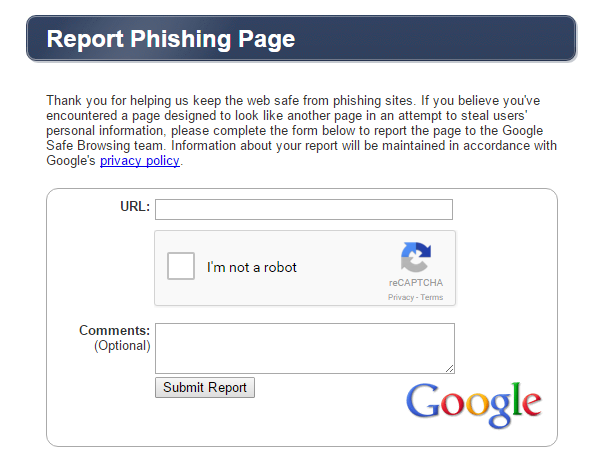
report phishing page

Users can also inform Google of when they detect suspicious advertisements or pages that seem to have been designed to steal information. In fact, any user can make a claim against a phishing page by filling out a simple form.

So, any time that you accidentally download a malicious file without even realizing it, the best option is to have a good antivirus installed which will advise you not to open it. This will help you avoid any potential catastrophes.

The post Google filters thousands of ads to avoid cyberattacks appeared first on MediaCenter Panda Security.

Find reliable, secure Wi-Fi hotspots with new Wi-Fi Finder app

Avast Wi-Fi Finder for Android finds secure Wi-Fi connections, wherever you are.

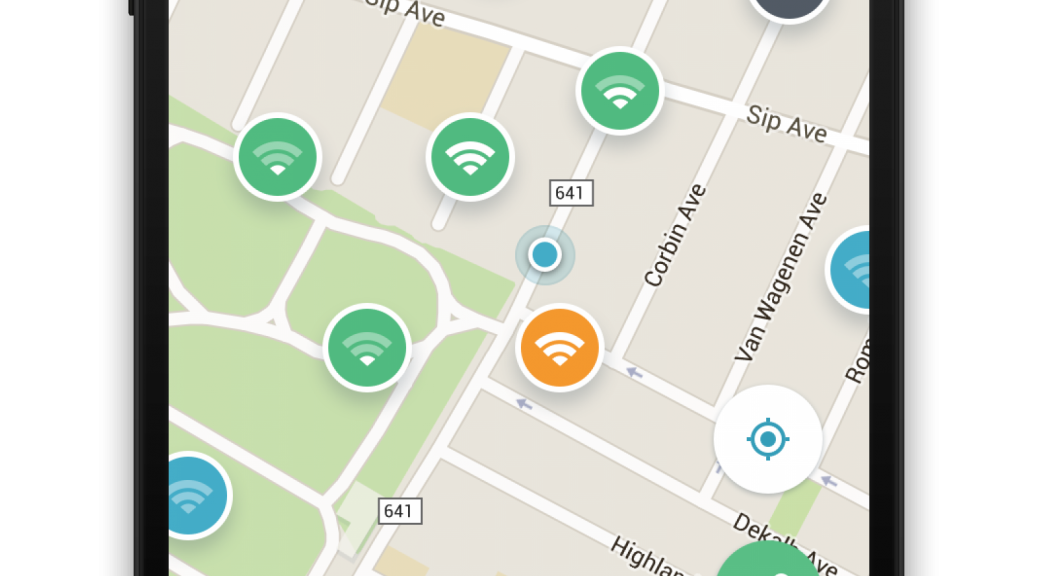
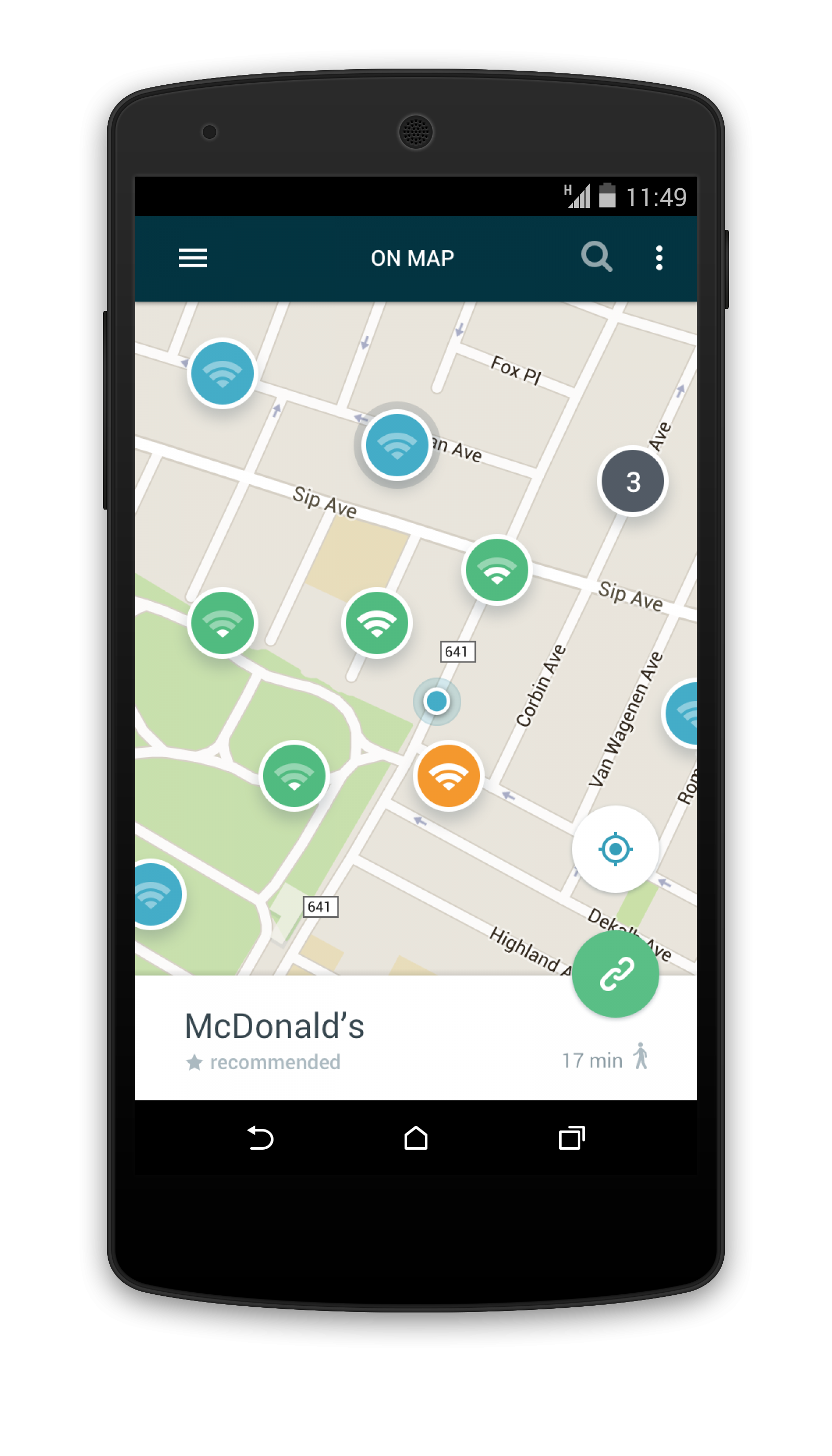
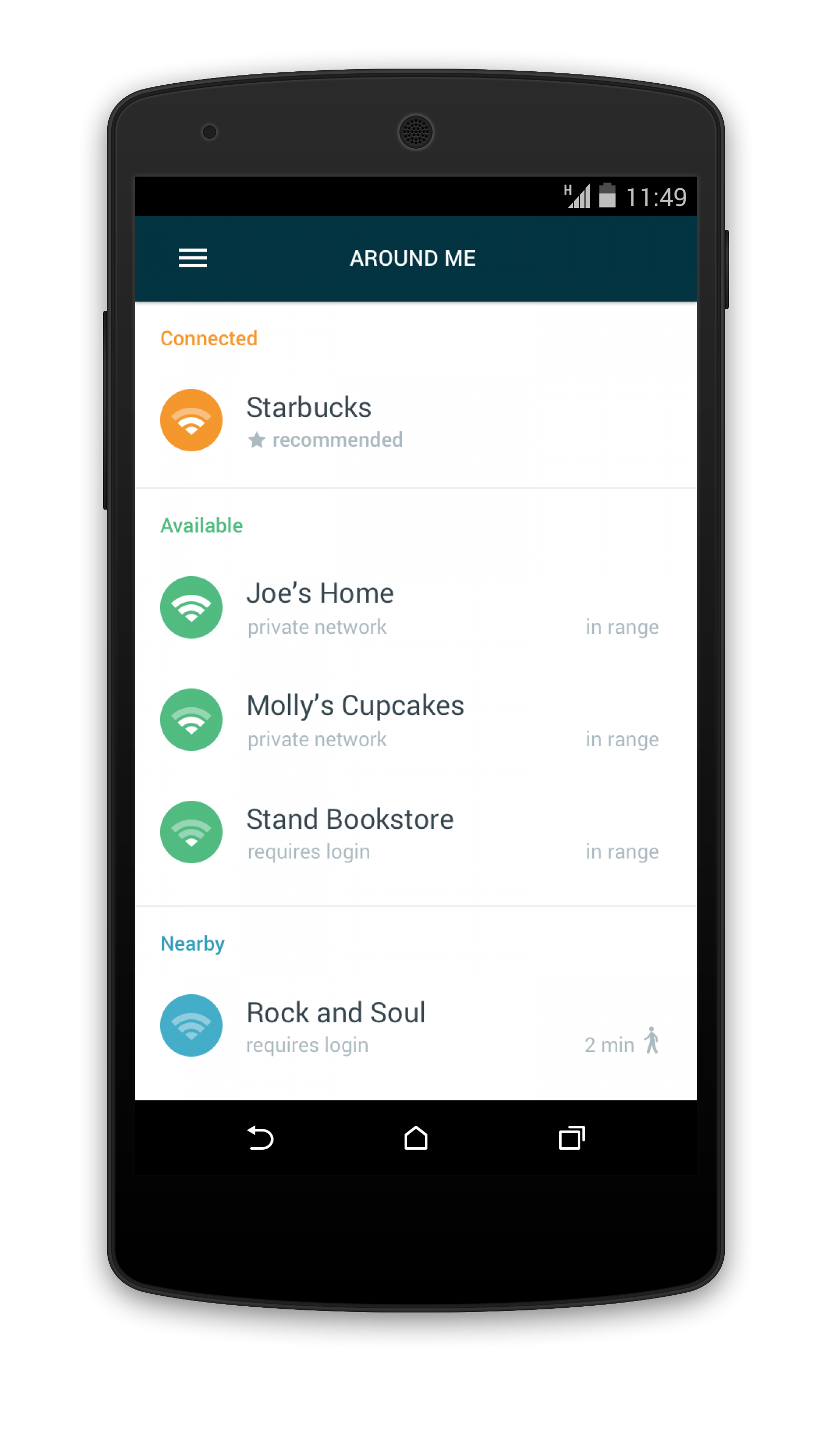
Everyone loves saving their data by using free Wi-Fi hotspots, but that can be risky if the hotspot is unsecure. Hackers can eavesdrop on what you’re doing, see your messages, watch the sites you navigate to, and even steal usernames and passwords. Wi-Fi FInder mapWi-Fi Finder list view

How to find safe Wi-Fi hotspots

New Avast Wi-Fi Finder is an Android app that can help you find reliable, fast, and secure Wi-Fi connections, wherever you are.  With the mobile app’s user-friendly map interface, it’s easy to find hotspots recommended by people around the world. Avast Wi-Fi Finder helps you select a secure Wi-Fi connection without the worry of going over your data plan or the frustration of slow data connections. Avast Wi-Fi Finder is free for Avast Mobile Security users. Download Avast Wi-Fi Finder from the Google Play Store. For iOS, download Wi-Fi Finder from iTunes.

“Many of us have found ourselves in situations when traveling or working remotely in which we’re unable to find reliable and secure Wi-Fi,” said Gagan Singh, president of mobile at Avast. “With the Avast Wi-Fi Finder, consumers are now able to find a safe and fast Wi-Fi connection whether you’re at the gym, hotel, airport, bus station, library or café.”

The Avast Wi-Fi Finder helps you:

  • Connect to the fastest, most secure hotspots
  • Obtain speed without compromising privacy
  • Navigate a collection of nearby Wi-Fi hotspots, recommended and crowdsourced by nearby users

Here’s how Avast found all those safe Wi-Fi hotspots

In August 2015, Avast launched a product crowdsourcing program that allowed Avast Mobile Security users to help Avast harvest nearby available Wi-Fi spots. By enlisting our 230 million users, our team collected Wi-Fi hotspot data from volunteers and evaluated each hotspot’s security level before launching Avast Wi-Fi Finder.


Please follow us on FacebookTwitter and Google+.

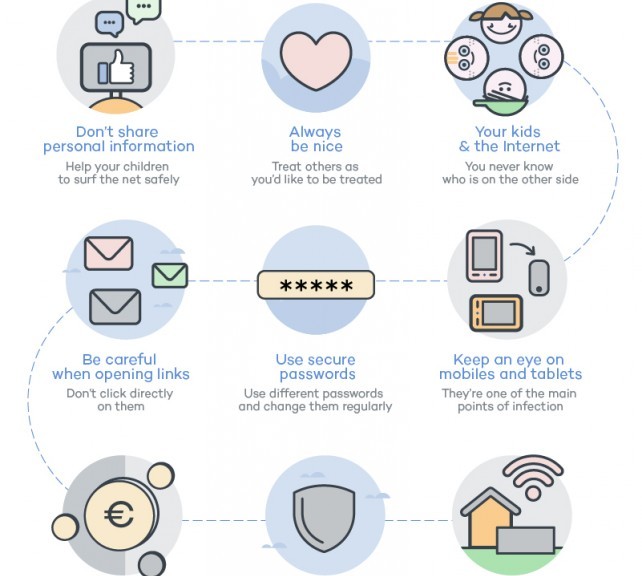
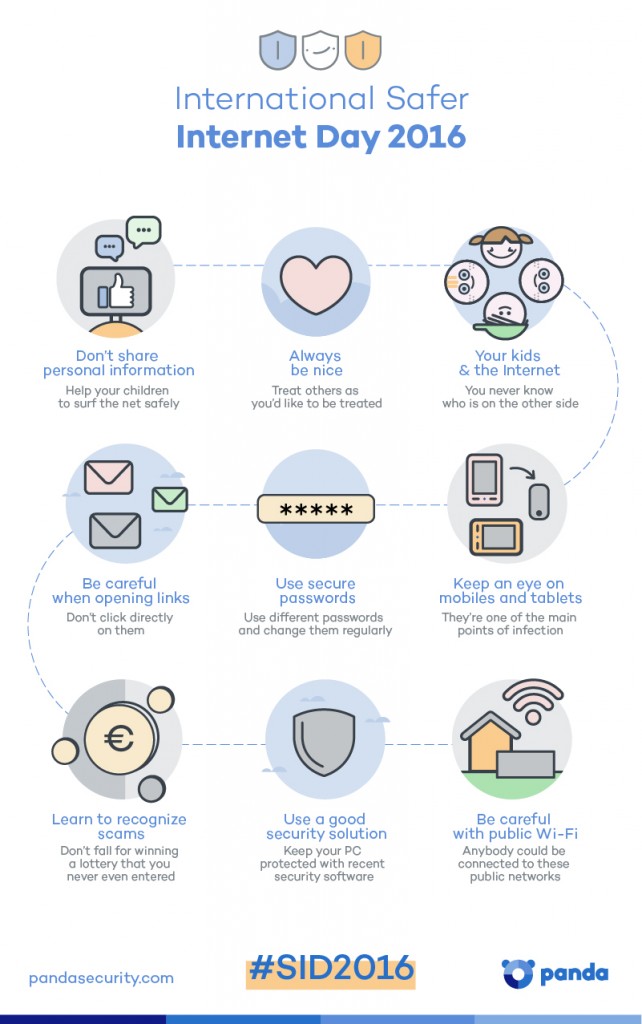
International Safer Day 2016 – Infographic

Panda Security - International Safer Internet Day - Infographic

If you want to share this infographic, here it is the code:

The post International Safer Day 2016 – Infographic appeared first on MediaCenter Panda Security.

Simple tips on how to make every day a Safer Internet Day

safer internet day

Nearly everyone browses the Internet on a daily basis, be they children or adults, and although we work hard on making every day a safe day, it’s never too late to remind ourselves of the possible risks associated with browsing online.

Tomorrow, February 9, is Safer Internet Day and to celebrate it we have compiled 10 tips that you should keep in mind when using the Internet.

Simple tips on how to make every day a Safer Internet Day

  • Never share personal information on social media, instant messaging apps, or chats. You never fully know who is can see these messages so, because of this, don’t accept requests form people you don’t know. Also, try to avoid giving out personal details such as phone numbers, addresses, personal photos, and other private information unless it is someone you know and trust.
  • Always be nice. Treat people online just as you’d like them to treat you. If you see any comments or actions that you don’t like, mention it to your parents, teachers, or someone you trust in – they’ll know what to do. Don’t participate in this kind of behavior, even if you’re not the victim.
  • Say to your children that if they have doubts about surfing the net they should speak to you or another adult figure.
  • Be careful with attachments. If you use instant messaging or email then you will know that it is common to get emails or messages from unknown sources with attachments or links. It’s best not to click on these links, but rather type the address into the address bar. Also, be careful when accessing trailers for films, ads or downloading games.
  • Use secure passwords. Having different passwords for different accounts, which you should be changing frequently, is a great way of protecting yourself from cybercriminals. If you detect something odd, report it immediately!
  • Learn to recognize scams. These online methods of deception are well known, but be suspicious if someone tries to convince you that you’ve won a lottery that you never even entered. Your bank won’t ask you for access codes by email, either. A good antivirus is able to detect these threats and, along with some basic security knowledge and common sense, you can rest assured that you can avoid falling for these traps.
  • Security awareness and parental control are best way to be safe online. It’s important that you know the risks that your kids are exposed to online and that you educate them about what to do in certain situations. A good parental control system will help you to ensure that your kids have a safe and fun experience online.
  • Protect your PC with a reliable security solution. By always keeping your PC protected with a modern security software and you can also ensure the safety of all your family online. If you haven’t got an antivirus installed, try out our free antivirus.
  • Be careful with public Wi-Fi networks. Everyone has used these open networks at some point, be it in a café or a train station. Sometimes it isn’t avoidable, so when you do use them be sure to take extra measures to protect yourself. Always look for the lock symbol in the address bar and avoid carrying out any financial tasks.


The post Simple tips on how to make every day a Safer Internet Day appeared first on MediaCenter Panda Security.

When the boss is the biggest threat to a company’s security

boss

Every company works with valuable information about its business what needs to be kept behind closed doors. The employees with access to this information have to be aware of its importance and their obligation is to keep it safe, but what happens is one of them leaves the company?

As we have already drawn attention to on various occasions, few companies are prepared to face this event and the majority don’t take adequate precautions before and after an employee leaves or is fired. In fact, according to a study by Osterman research, 89% of workers keep the user name and password of their corporate accounts after leaving their jobs, and nearly half admit having used these to access their old accounts.

If this happens with any member of the team, no matter how low-ranked they may be, imagine the potential for problems if an executive is fired – someone who occupies a high-ranked position with access to lots of sensitive information.

The main risk is that the company’s intellectual property could end up in the hands of others, something which, unfortunately, happens all too often. This example explains it better – in 2014 the startup transport collaborative Lyft went to court after its COO left the company to join its main rival, Uber.

He took with him confidential information relating to the business and this serves as an example for all businesses that these situations are real and they need to be prepared for them.

mouse

It might seem like a job for the legal department, but IT security also plays an important role in all of this in two distinct ways: it avoids the theft of intellectual property and, in the worst of cases, gathers evidence to show that such a theft happened in the first place.

When the thief is the boss, however, it is usually a little more complicated. It’s difficult to avoid them having passwords to different services and tools, while also being hard to stop them using their own devices to access them from anywhere they want (especially if it is their job to resolves problems relating to various different departments).

Taking away access as soon as they walk out the door (and getting back the company mobile, tablet, and computer) would be of little use as they’d already have had multiple opportunities to copy valuable information. The best thing to do is remind them of confidentiality clauses in their contracts that they signed when joining the company, and to complete an exhaustive review of their activities during their final weeks.

tie

It’s normal that businesses, especially larger ones, do this before hiring: reviewing previous records, asking for recommendations, rigorous selection processes, etc. However, these measures are hardly ever taken into consideration when someone leaves a company.

With an eye on making this task easier, there is a dedicated software that allows for the monitoring of computers to avoid leaks. Panda Security has developed the ideal solution for large businesses, Adaptive Defense 360, which combats information theft and both external threats (malware, for example) and internal ones (an employee copying files onto a USB from the cloud).

When it comes to a high-ranked employee who decides to switch over to the competition, both prevention and reaction are more difficult. Sometimes the boss can be the biggest danger to a business, even if it isn’t immediately obvious.

The post When the boss is the biggest threat to a company’s security appeared first on MediaCenter Panda Security.