Tag Archives: featured1

Sharing personal information plays part in Neiman Marcus hack

Data that you share on social media could end up for sale on the Dark Web.

Adjust your privacy settings on social networks. You never know who may be watching!

Adjust your privacy settings on social networks. You never know who may be watching!

The luxury retailer Neiman Marcus is the latest victim of a data breach. At the end of January, Neiman Marcus notified their online customers that unauthorized individuals attempted to access customer’s online accounts by trying various login and password combinations using automated attacks. The hackers were able to accurately guess the username and password combinations and access some online accounts. Neiman Marcus reported that only a small number of these accounts were used to make unauthorized purchases.

Personal information shared on social sites combined with Personally Identifiable Information (PII) and username and passwords for sale on the Dark Web, are making data breaches of this type more common.  Cybercrooks, terrorists, and nation states buy information from shady sites, then use it to break into banks, launder money, or make trouble for big U.S. companies like Neiman Marcus Group.

“These bad guys are assembling portfolios of individuals,” said Avivah Litan, an analyst at Gartner in an interview with DataBreachToday about the breach. “They’ve got a big database of American citizens and all the data associated with their identity, and lots of different people are buying up this data on the Dark Web. And they’re using this data to get to their targets.”

Unsafe practices make hacker’s jobs easier

Responsibility for customer safety belongs heavily with the organization. They should encrypt any customer contact information and use stronger authentication methods than just a username and password. But, we as consumers make the hacker’s job easier by using the same username and password on multiple accounts. Once one set of credentials is compromised, then hackers will test them to get access to other websites.

We can take steps that make it harder for a cybercrook to gather information on us and break into our accounts.

Clean up those passwords

One of the simplest ways to protect yourself against online threats is to use strong passwords for each of your accounts. Yesterday in the Avast blog, we told you how Avast Passwords can help you manage multiple accounts across the web and create encrypted, strong, unique passwords. Every Avast Antivirus customer can use this feature for free.

Avoid oversharing on social sites

Social media is fertile ground for cybercrooks to gather personal information. Sharing something seemingly innocent like your dog’s name, your birthday,  or your mother’s maiden name can give insightful crooks the answers to security questions of your bank account. Put that together with PII and they’re in.

  • Lock down your social profiles. Each social site has security settings so you can have more control over who sees what you share. Use these direct links to update your privacy settings on popular devices and online services.
  • Limit the number of online quizzes you take. Yes, they are popular and fun but these quizzes can gather information about you, your interest, and your life assisting bad guys in creating an online portfolio of user information.

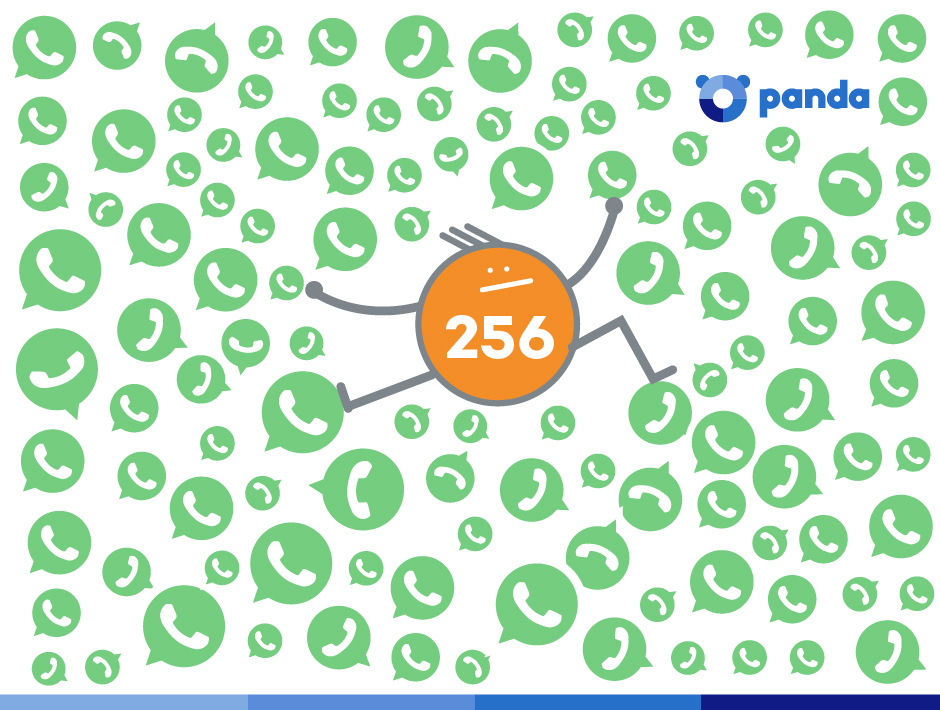
WhatsApp now allows group chats of 256 people

whatsapp groups

Yep, you’ve read that correctly. From now on you can have group chats with up to 256 people at a time. Can you imagine that? All of those people chatting at once… just think of all the notifications you’ll have of you leave your smartphone down for a few minutes!

WhatsApp groups are practically unavoidable if you use the application: there’s usually one for family, another for work colleagues, one for family matters, and even ones for parents of classmates. Everyone uses them and, because of this, the messaging app has continually increased the number of members allowed per group. At first, group chats were limited to just 15 people, later it increased to 50, then 100, and now it can be as many as 256.

Well, if 256 seems like a lot to you, imagine using Telegram – their App sllows for 1,000 users per group. Madness, no?!

How to silence WhatsApp groups

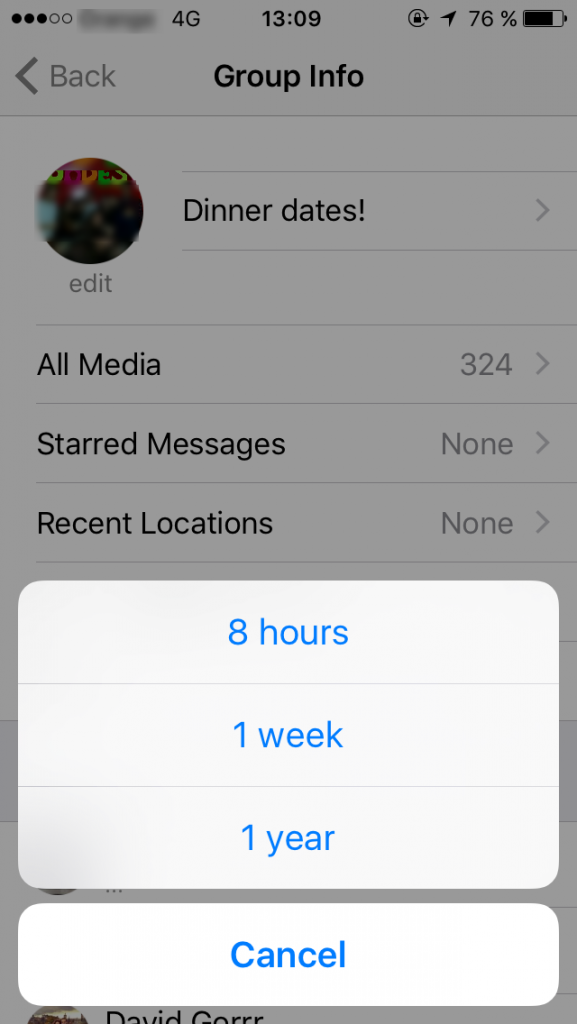
If these chat groups seem a little overwhelming then you know the solution – you can always silence a chat group for a period of either 8 hours, a week, or even a year, depending on how much it bothers you. So, if you do choose to put a chat on silent, just make sure to check on it every so often in case you’re missing out on some juicy gossip!

Don’t forget that it is also easy for all types of tricks and scams to spread through these chat groups, so be sure to control what you send and be suspicious of what you receive. Most of all, if you get shortened links, surveys, or gift cards sent to you, be very sceptic.

mute whatsapp


WhatsApp and its 1 billion users

Just this week saw WhatsApp announce that it now has more than 1 billion active users each month. This figure makes it the leader in the mobile messaging market, far ahead of rivals such as Telegram or Line.

What do you think? Will you be capable of managing a group with so many people?

The post WhatsApp now allows group chats of 256 people appeared first on MediaCenter Panda Security.

A nova sede da Avast em Praga está pensada para atrair talentos

A nova sede da Avast está localizada no Enterprise Office Center de Praga.

Avast's new headquarters are located in Prague's Enterprise Office Center.

A nova sede da Avast está localizada no Enterprise Office Center de Praga.

A abertura da linda sede da Avast, no Enterprise Office Center de Praga é uma boa ocasião para celebrar. Há alguns dias, no evento de inauguração, alguns dos nossos executivos mostraram as razões da mudança, bem como detalhes específicos sobre o novo edifício e o seu potencial para a empresa. O COO da Avast, Ondrej Vlcek, descreveu os conceitos que estão por trás do edifício:

O projeto foi pensado por empresas de muito sucesso no Vale do Silício, trarão um novo espírito empreendedor e conduzirão a equipe à excelência.

O edifício tem uma impressionante funcionalidade:

  • Quarenta e cinco salas de reunião em ambientes formais ou casuais.
  • Escadas de seis metros de largura ao longo de todos os seis andares que servem como ponto de encontro dos funcionários.
  • Uma cantina com comida gratuita servida diariamente da manhã até o início da noite. Isto permite o contato informal entre as equipes que tradicionalmente não iriam almoçar juntas, além de melhorar a comunicação interdepartamental.
  • Uma área de fitness, uma sala com poltronas, cinema e uma biblioteca para melhorar a cultura e relaxar.
  • Uma sala para as crianças que dá uma mão aos pais que trabalham conosco.


Não é difícil de acreditar que este espetacular espaço de trabalho atrai talentos do mundo inteiro para trabalhar na Avast. Os atuais funcionários da Avast também têm muitas coisas positivas para dizer sobre o nosso novo espaço de trabalho:

Quando eu vi a nossa cantina, eu não consegui acreditar. Tantas variedades de comida, de leves e saudáveis saladas até cafés da manhã de Champions. — Tomas Penka (Especialista de eComm)

É leve e único, e tem uma atmosfera que convida à criatividade. – Che Johnson (Suporte Técnico Corporativo)

A escada central força os funcionários a utilizá-la e caminhar mais, o que foi uma surpresa saudável. – Petr Prusa (Engenheiro de Qualidade)

Começando um novo ano, vamos nos lançar de cabeça em nosso novo edifício e aproveitar a oportunidade de demonstrar como trabalhamos para manter seguras as pessoas em todo o mundo, todos os dias.

Siga o Avast no FacebookTwitterYouTube e Google+, onde a gente mantém você atualizado todos os dias com notícias sobre segurança digital.


How to create strong, unique passwords for all your accounts (and remember them!)

One of the best ways to protect yourself online is by using strong passwords. Yeah, right.

Do you write your passwords on sticky notes?

You’ve seen the rules before

1. Use long, strong passwords that mix letters, numbers, special characters, and capital letters

2. Avoid using the same password on different websites.

But since we have so many to remember, the average is 19 per person, then most people default to using easy-to-remember passwords. The most popular passwords for the past few years have been 123456 and password.

 Is it safe to store my passwords in the browser?

Most browsers offer to store your passwords, and on the surface it seems like a convenient way to keep them handy. But the problem is, when you store passwords in your browser, they are stored on your device along with the information necessary to decrypt them – which makes them easy to hack.

One password to rule them all

What if you could remember only one password, but still follow the rules for creating strong, unique passwords? Cue the angels, because Hallelujah, you can!

Avast Passwords is a password manager free to all Avast 2016 users. Avast Passwords helps you manage passwords across all your devices and all you need to remember is one main password! Avast Passwords automatically imports passwords stored in your browser and when you need to create a new password, all you do is click a button and a secure password is automatically generated and stored.

Avast Passwords is available for Google Chrome, Firefox, and Internet Explorer.  Even better – you can sync your passwords with other devices when they are connected to the same Avast account. Opera and Google Chrome are supported on Android phones, and Apple Safari on iPhones.

Watch this video to learn How to set up Avast Passwords on your Windows desktop.

Passwords is available on all editions of Avast Antivirus 2016, including Avast Free Antivirus. For additional features, you can upgrade to the premium version.

Employees’ selfies and the dangers of cybercrime for critical infrastructures

selfie kitchen

When one works in a power plant, a water treatment facility, a gas plant, a recycling center, or any other critical infrastructure for a country, it’s essential to be extra careful about what you post on social media.

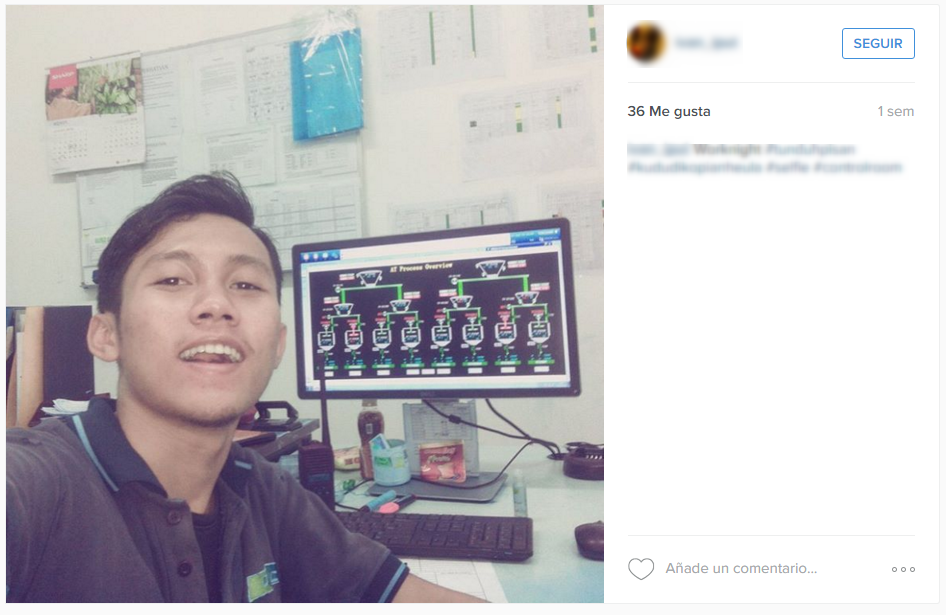
It might seem to be common sense, but IT security experts have raised worries over the amount of selfies taken by employees in these centers, which have started to appear across different sites such as Facebook, Twitter, and Instagram.

With the recent blackout which affected more than 80,000 people in Ukraine still fresh in the memory, the proliferation of selfies that could reveal security secrets in these installations could become a problem that needs to be stamped out immediately.

IT systems that could be compromised as a result of worker indiscretion are named SCADA – the initials are taken from Supervision, Control and Acquisition of Data – and they are continually used to manage all types of industrial processes, which means that their security is extremely important.

dangerous selfie

They allow you to obtain information from anywhere, in real-time, about the automated operations in a factory (or a gas station, for example), in such a way that the decision making and remote management of these installations is easy and economically sensible.

On the other hand, however, if a cybercriminal manages to enter the systems, especially if he manages to take control or alter the function of the machines, it could result in unrepairable damage.

Businesses, governments, and professionals from the sector are growing more and more aware of the risk that these infrastructures are exposed to. This is usually because they fear that the weakest link in the chain, which is always a person, could commit a silly mistake with their smartphone.

Just as has been discussed dedicated forums, IT security experts in the industrial sector have been able to locate these selfies, and other things, on Facebook and Instagram in which it is possible to see valuable information on the SCADA systems.

Furthermore, they have also discovered panoramic photos and virtual tours of the control rooms and the critical infrastructures, which are available for anyone to view, on the companies’ websites. This could allow someone with malicious intentions to extract information relating to employees, shift patterns, etc.

In fact, the German security expert Ralph Langner discovered that an image of the Natanz nuclear plant in Iran, distributed by president Ahmadinejad’s own press office, had been used by the creators of Stuxnet malware to attack the country’s nuclear program.

The image, which was happily shared by the Islamic regime, showed a control monitor for the SCADA system that was controlling its new uranium centrifuges. A real treat for their western enemies!

The post Employees’ selfies and the dangers of cybercrime for critical infrastructures appeared first on MediaCenter Panda Security.

US man jailed for massive SMS spam operation – How to avoid becoming a victim

From offering discounted sunglasses (designer label, of course) to gift card for well-known stores, the world of SMS spam is one that continues to trick unwitting victims. You’d think that by now we would all be aware of the scams behind these messages which we receive on our mobile devices, but with these spammers becoming increasingly desperate to make a quick buck, they are using all manner of tactics to dupe their victims.

Luckily, the authorities are taking spam campaigns seriously. Just this week a US judge ordered Phillip Fleitz, a 37-year-old native of Pennsylvania, to 27 months in federal prison for his role in a massive spam campaign.

smartphone

Over the course of nearly 2 years, the spammer sent millions of illegal spam messages to US and international cellphones and computers. With the help of two accomplices, Fleitz managed to earn between $2,000 and $3,000 per month by violating a 2003 law designed to protect cellphone and computer users from unwanted marketing and pornography emails and text messages.

The trio carried out their attacks by operating computer servers from China and using them to infiltrate the personal computers of millions of people worldwide. Naveed Ahmed, one of the accomplices, wrote a program that helped match cellphone numbers with their carriers. That allowed the scammers to bombard the phones with unsolicited messages.

The computer and text-message spam both included internet links. Those who received the text messages were told they had won gift cards that could be accessed by clicking on the links. In reality, those who followed the links were directed to web pages controlled by internet “cost per action” networks – marketing companies that collect email addresses and other personal information. Such companies are legal but using spam to drive traffic to them is not.
So, with this in mind, what can steps can you take if you receive unwanted spam on your cellphone? You’re in luck, as the latest Apple and Android cellphones allow users to block spam with relative ease.

iPhone users

If you have iOS 7 or later installed, open the spam message and click on contact, then on the “i” button that appears. A small contact card, mainly blank, will pop up and all you need to do is scroll down and select “Block this contact”.

To check out all of the numbers and spammers that you have blocked, you can view them in your message settings by scrolling down to Blocked.

Android users

For users of this operating service, blocking spammers is a little trickier but can still be done. First of all, the inbuilt messaging app doesn’t allow you to block anybody, so you’ll need to get an app from the Google Play store (remember to only download apps from official or trusted sources).

The apps available offer different forms of spam-blocking assistance – from ones that allow you to create a blacklist of contacts to others that automatically flag suspicious messages as spam.

If your Android device has been updated to KitKat (you can verify this by clicking on the “About Phone” section of your settings; if it’s 4.3 or above then it’s on KitKat) then you have it a little more complicated again. However, you can install Google Hangouts which not only sends and receives standard SMS messages, but lets you place spammers on a “blocked” list.

The post US man jailed for massive SMS spam operation – How to avoid becoming a victim appeared first on MediaCenter Panda Security.

The cat and mouse game of internet security

Virus Lab analysts can see real-time threats on the monitoring wall

Virus Lab analysts can see real-time threats on the monitoring wall

Security is an evolutionary business rather than a revolutionary one.

“Computer security has been around for 25 or 30 years and the threats keep evolving,” Avast CEO Vince Steckler in a video interview with ValueTech.

The solutions keep evolving too. “If you go back 20 years ago, the big issue was script kiddies and big public splashes of viruses that frankly didn’t cause any harm. These days, things are much more complicated. You don’t have big flaws, big loopholes for bad guys to take advantage of. What this turned into is a cat and mouse game.

Avast CEO Vince Steckler

Avast CEO Vince Steckler

Keeping up with the bad guys

To combat today’s cybercrooks, Avast Virus Lab analysts must study what the bad guys have done previously.

“You start trying to predict what the bad guys might be trying to take advantage of in the future and closing off those holes. At the same time, those guys are finding other little ways in and you have to catch up with them,” said Steckler.

Antivirus companies have done an excellent job at protecting the consumer and small business “endpoint” – such a good job that it’s actually very difficult to break into the endpoint itself. This forces cybercrooks to look for other entry points.

Avast experts agree that the likely path cybercrooks take is through the home router.

Home routers give cybercrooks an easy target

Consumer routers tend to be acquired based on price and they have a lot of flaws. Steckler estimates that, “We can break into probably about 70% of home routers in the world.”

The reason home routers are so vulnerable, he says, is that, “They are very poorly protected and the username-password on them is something that’s easy to crack. It’s not that difficult for someone to break in remotely over the Internet via the username and password or in a drive-by, in which case it’s even easier.” Most routers also have unpatched software leaving them with a number of vulnerabilities.

Recently the hacktivist group, Anonymous, launched a DDoS attack using compromised home routers so Steckler thinks that the frequency of those types of attacks will increase.

How to secure the Internet of Things,the Smart Home, and Industry 4.0

“The Internet of Things and 4.0 get a lot of press because they have nice catchy buzz words,” said Steckler. People have connected refrigerators, connected thermostats, door locks, security cameras, and baby cameras, but, “Right now a lot of internet-connected refrigerators don’t do anything. They are just a browsing tablet.”

“But when people start looking at what kind of protection is needed, you have to be thinking about what’s the risk. If my internet-connected refrigerator gets hacked, what happens? If my thermostat gets hacked, what happens?,” asked Steckler.

“The common thing with all of this is that none of these devices in the so-called Internet of Things really have any direct connection to the Internet. They are all connected, once again, through the home router,” said Steckler.

Since the home router is a vulnerable entry point that means that the risk for attack exists. “If you can harden your home router, that really goes a long way towards protecting the Internet of Things.

The risk of BYOD

“The Enterprise is a much different story, when you get into the BYOD (Bring Your Own Device). We all have mobile devices, and for many reasons it’s much more convenient to use one mobile device for both your personal and your business,” said Steckler.  “Some businesses encourage it by providing a device, but the fact of the matter is most everyone is going to be using one mobile device for both.”

That co-existence of personal and business-related data on one device that the employee is responsible for causes a risk to the consumer and the business. To the business it means that their data can be lost if access to the internal systems is compromised. If the employee loses the device, the typical company response will be to remotely wipe everything on it including all their personal stuff – then they suffer a big data loss.

“A solution is really to virtualize the entire corporate usage of it and run all the corporate usage on the corporate servers,” said Steckler. “That’s why we’ve brought out a new solution this year that does exactly that.”

Avast Virtual Mobile Platform (VMP) addresses these security risks, helping IT organizations liberate their businesses from leaks of confidential data and minimize mobile device costs.


Watch the entire interview including Mr. Steckler’s opinion about when Artificial Intelligence will become a threat to humanity and why Avast built a Silicon Valley-style building for its headquarters.

Facebook strengthens its app for Android, allowing for anonymous browsing with Tor

smartphone facebook

It’s been a while now since Tor became the go-to option for those who wanted to ensure their privacy while browsing online. If you still haven’t heard of it, it’s a network that allows you to browse the Internet anonymously, integrated by nodes all over the planet. Each one of this points is actually a computer belonging to a member of the project, which was launched in 2002.

Every one of the machines that is connected to this network sends information securely – all communications are encrypted and the messages pass through random nodes, which makes it very difficult to intercept them or find their origin.

Luckily for lovers of this system, Facebook has announced that it will add Tor to its Android app, which means that those who use it can surf the social network in a more secure manner.

facebook tor

The first steps towards the integration of Tor were seen in 2014, when Facebook launched its onion address. It was an historic move which allowed Tor users to connect to the platform anonymously. “It provides end-to-end communication, from your browser directly into a Facebook datacenter,” explained Facebook.

Back then, Facebook also mentioned that they would enable a platform with the same .onion extension for those that chose to connect via their mobile device.

In little more than a year, the number of people who use the Tor service on their computer to enter Facebook has exploded. This, along with the numerous petitions that Facebook received requesting new security features, has brought about this enabling of the system for smartphones.

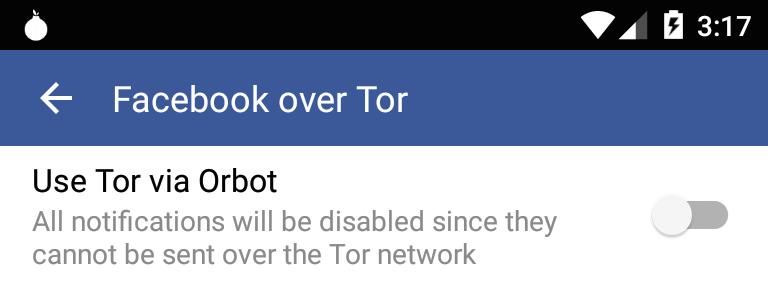
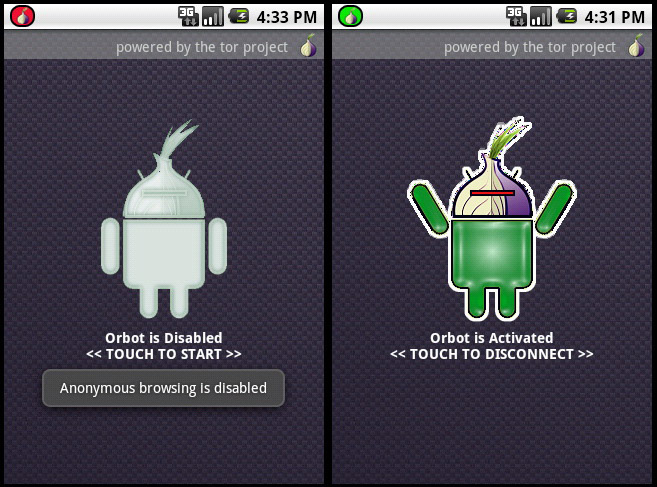
Accessing Tor from a mobile device is done via the Orbot app, which allows the user to send encrypted information via the anonymous network every time that they connect to the Internet on their mobile.

android tor

Therefore, whoever wants to enjoy this new service will have to install Orbot on their device. After that, they must enable access to this tool in the settings of their Facebook application so that it can open via Tor.

“We’re releasing this feature over the next few days to seek feedback which will help us create a great experience for using Facebook over Tor on Android,” claimed Facebook on their website.

The project, as they’ve indicated, started thanks to an intern who worked at Facebook for a summer. The Care and Protection team based in London continued with the initiative, which will soon be available to try out by all of us.

The post Facebook strengthens its app for Android, allowing for anonymous browsing with Tor appeared first on MediaCenter Panda Security.

How can I stop Cryptolocker from accessing my information?

It’s likely that you’ve asked yourself, on more than one occasion, how you can avoid a ransomware from gaining access to your private information and encrypting all of the files and data stored on your devices.

data shield

As we always say, it is fundamental that you keep your operating system updated to avoid any security issues. It’s also wise not to open emails or attachments from unknown sources, and avoid browsing on insecure websites. We also can’t forget the need to have a good antivirus or security solution installed and updated. This can help protect our data.

Our new line of products that include Panda Internet Security 2016, Panda Global Protection 2016, and Panda Protection Service offer an additional security layer against malware that tries to access sensitive user information (to steal, erase or encrypt said information), such as the infamous Cryptolocker. In this case, the encryption is done using a unique, private key for each computer that stores on its servers, thus making it hard to recover the data even if the malware is disinfected and eliminated from the PC.

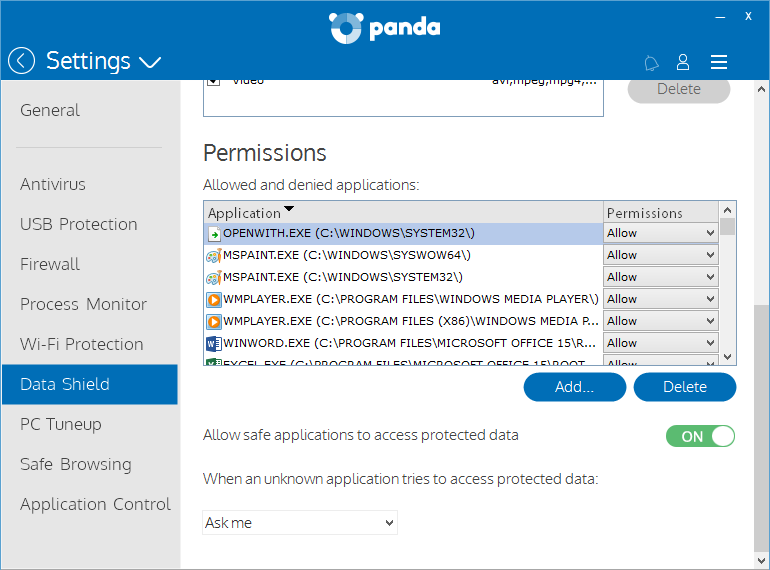
This data protector allows the user to define the location of the data to be protected and to set the access permissions granted to installed programs. This means you can keep your most valuable information safe, even if a ransomware gets into your computer.

The first time you open the interface you will see the assistant that will allow you to activate Data Shield.

datashield

With this feature, you can define which programs can access your files and give permission to application so that they too can access your data.

This option is activated by default and grants access to the files for all applications that Panda considers secure. Furthermore, you can establish which action is carried out when an unknown application accesses sensitive information: Deny or Ask Me.

data

How to stop a Cryptolocker accessing your computer

  • Use common sense.
  • If you receive a message from an unknown source with an attachment, don’t download it.
  • Be careful when browsing the Internet. Avoid downloading programs from suspicious websites.
  • Even if you know the source, take the necessary precautions before opening these files.
  • Neutralize keyloggers. These programs are used by cybercriminals to capture and steal your passwords. Use a virtual keyboard to enter your most sensitive access codes such as those for your bank or email account.
  • Finally, and most importantly, protect yourself with an updated antivirus, separate from your operating system (Windows, Mac, or Android).

We also remind you of the importance of having a good backup system for your most important files. It will help you to minimalize the damage caused not just by malware infections, but also if you have problems with your hardware or other issues with your computer.

The post How can I stop Cryptolocker from accessing my information? appeared first on MediaCenter Panda Security.

2016: The Year of Spying Microwaves and Hijacked Cars

The security stakes only seem to be rising when it comes to the threats that affect us as modern-day consumers.

What behavior could a smart appliance reveal about you?

What behavior could a smart appliance reveal about you?

Over the past year, we have seen a list of notable mobile threats that put people’s privacy at risk. Previously unseen vulnerabilities surfaced, such as Certifi-gate and Stagefright, both of which can be exploited to spy on users. Certifi-gate put approximately 50 percent of Android users at risk, and Stagefright made nearly 1 billion Android devices vulnerable to spyware. In 2015, for the first time, cybercriminals were able to attack users on a vast level.

Another mobile threat on the rise in 2015 was mobile ransomware, using asymmetric cryptography, making it nearly impossible to recover the encrypted data on a smartphone. The most common mobile threats in 2015 were adware — often apps disguised as fun gaming apps that provide little value and spam users with ads. We believe that 2016 will be the year in which we see threats moving from smartphones to smart homes — and beyond.

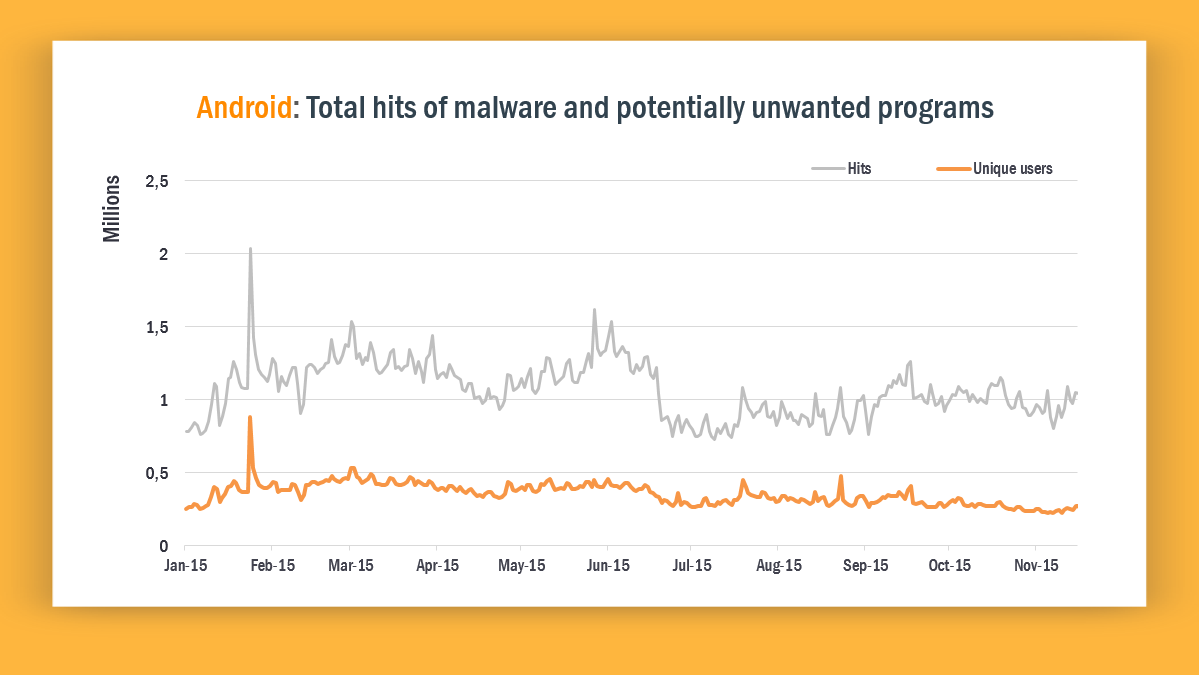
Total number of attacks on Android devices that Avast has detected in 2015

Total number of attacks on Android devices that Avast has detected in 2015


2016: Internet-connected devices will spell out your life to anyone who’s curious

In 2015, society has gotten a taste of what the future might look like with the rise of Internet-connected devices. While we’ve now become accustomed to our smartphones, the possibilities for both users and hackers are growing exponentially when it comes to gadgets and systems that comprise the budding Internet of Things (IoT).

We often forget about many of the devices that, in reality, fit into the “smart” category. Smart devices and gadgets can include anything from thermostats to microwaves, smart locks to smoke detectors to children’s toys. Since we make use of these gadgets in our daily tasks and endeavors, an attack on their security could result in dire threats to our privacy and security.

Smart devices, such as household appliances, cars and wearables are basically our life companions. Unlike a smartphone, which holds information about our communications, contacts, photos and videos, smart devices reveal more specific information about our behavior, such as our driving, fitness, and cooking habits, or our children’s learning behavior.

This provides optimal opportunities for hackers to target personal data, including information collected by wearable, Internet-connected devices. What’s more, this data can be used by governments for law enforcement purposes and for businesses, like insurance companies, to restrict payments or medical procedures from people who may have previously made unwise financial or health-related decisions. This year, we could see the first country enact a law that would give certain industries authorization to exploit consumer data through information collected by smart devices.

Ransomware that could turn your devices against you

We already know how dangerous ransomware can be — this aggressive malware family locks individuals out of their devices and renders them useless, leaving users with little choice other than to pay a specified amount of money demanded by hackers in order to regain access to their device. On a smartphone, a factory reset helps to remove the ransomware, and if the user has conducted a backup, the harm is minor. However, if and when ransomware makes its way into the IoT sphere, we must be prepared in order to prevent our own devices from being manipulated and turning against us.

But 2016 could be the year when we witness our first serious car hack. This year, Land Rover has recalled 65,000 cars from the market because of a software bug that could lead to car theft. Taking this point a step further, imagine if your car’s software actually locked you out of your primary mode of transportation. What lengths would you go to if your personal security system locked you out of your own home? There’s a good chance that these issues will need to be dealt with as we move into the heyday of IoT.

Kids’ safety: toys that put children’s privacy at risk

Now, people should think twice before buying their children the newest trinket that they see in the window — while seemingly harmless, children’s toys can be wolves in sheep’s clothing when it comes to security. This can be seen in the recent VTech scandal, around the toy manufacturer of network-enabled learning toys that stored email addresses, physical addresses, passwords, as well as names and birth dates of more than 6 million children without proper protection measures. Another example is the Internet-connected Hello Barbie doll that was vulnerable to hackers who could spy on children talking to their dolls.

These two examples could be the start of an uprising in hacks in 2016 that jeopardize kids’ privacy. No longer are parents the only ones taking photos of their children — with smart kids’ devices storing photo and video footage, leaked files could easily make their way into the wrong hands. These files are then sent to servers, and often, it remains unclear what happens to these files, how they are secured and whether or not they are shared with third parties.

Children’s toys even have the ability to potentially affect a child’s success later in life — if schools choose to examine data supplied and exploited by Internet-connected educational toys, admittance processes could change, resulting in children’s lives being directly affected.

New year, new threats on the horizon

When it comes to dealing with security threats in 2016, the rule of thumb is this: Consumers should always stay one large step ahead of their smart devices. As these gadgets continue to obtain more capabilities and gather more of our information, it’s important that we retain our common sense when managing our security and personal privacy. Making use of security solutions on both computers and mobile devices is a reliable way to ensure that consumers remain in control of what belongs to them. While staying protected, we can confidently look forward to what’s in store as the new year continues to unfold.