Malware has been found on a computer at Gundremmingen nuclear power plant in Germany, it has been revealed. RWE states that it is not considered a threat as the infected computer is not connected to the internet.
Stealing information and then holding it for ransom is a trendy cyber-attack that has arrived to the hotel sector. PandaLabs, Panda Security’s anti-malware laboratory, is launching a study called “The Hotel Hijackers“ (download our guide here); a document that reviews the increasing tendency of cyber-attacks directed towards large hotel chains.
Research showed us that 2015 was the year for these type of attacks and we have detailed information on this type of intrusion and how this sector was largely affected worldwide, in many famous hotels like the Trump, Hilton and Starwood hotels.
Why the hotel sector?
Hotels make billions of dollars from the millions of guests that pass through their doors everyday and hotels keep all of their guests’ sensitive data on file, just waiting to be compromised, and cyber-criminals know it.
If you want to take a look to the Hotel Hijakers download our infographicorvideo:
Malware used by cybercriminals to carry out one of the biggest cyberheists in history is thought to have been “part of a wider attack toolkit”, according to a BAE Systems’ security researcher.
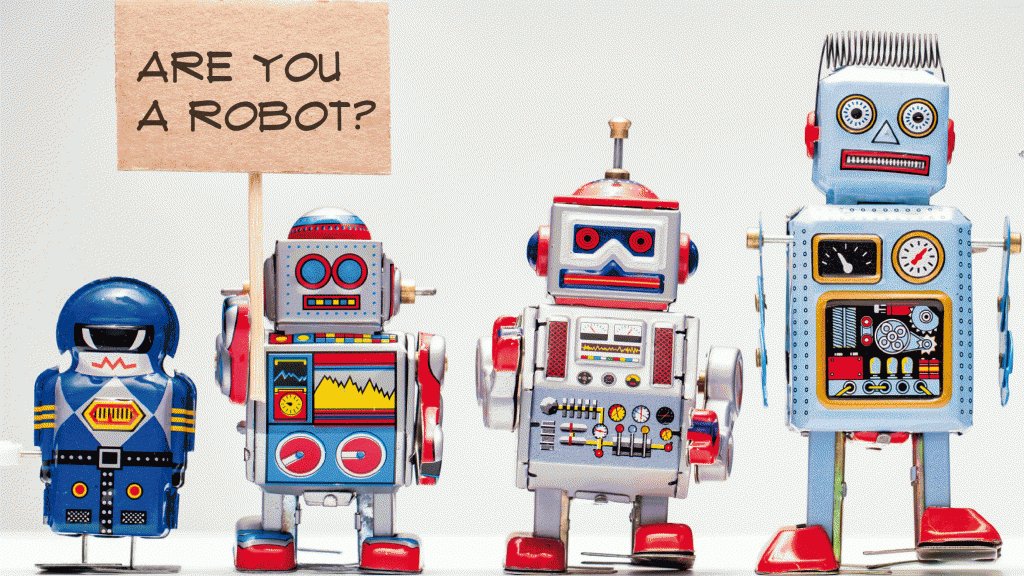
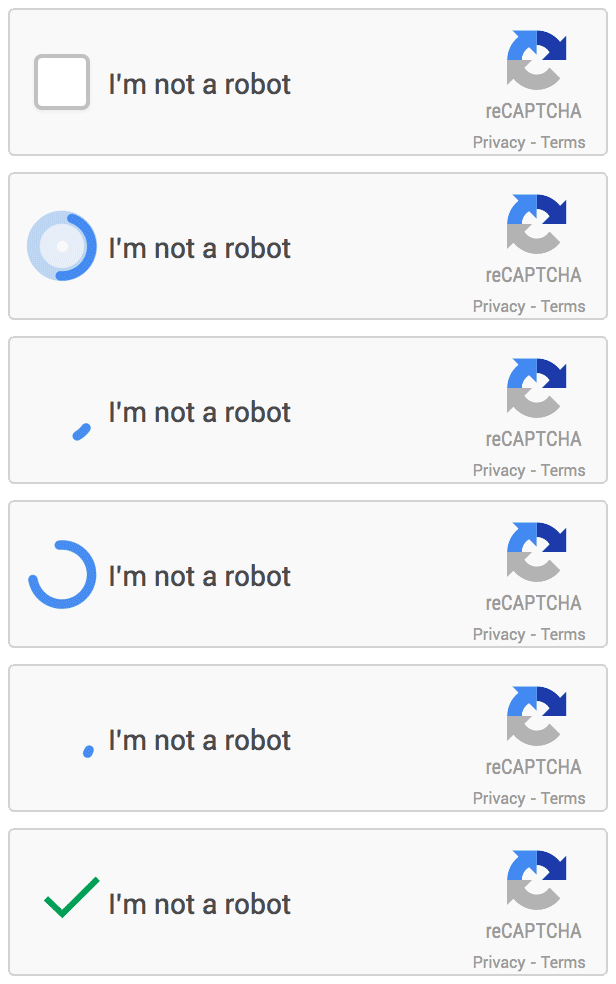
On some websites, you may have noticed that you are prevented from continuing your visit or purchase until you solve a puzzle of obscure letters or pictures. After staring at a few squiggly lines, deciphering the words, and typing the correct word in a blank space, you may finally continue. This process is done to verify that we are, in fact, humans accessing the site.
This test is called CAPTCHA (Completely Automated Public Turing Test to Tell Humans and Computers Apart) and is used all over the web. The ticket sales website, Ticketmaster, is an excellent example of CAPTCHA-in-use; without the human-verification test, a “robot” could potentially buy millions of tickets before a concert or event sells out, and then reap the benefits of scalping them for much higher prices.
Having to guess a combination of letters and numbers each time we do something on the web is definitely annoying. And time-consuming. Each time you solve a CAPTCHA, you waste 10 seconds of your life. That’s why CAPTCHA has earned a bad reputation among Internet users, despite the fact that it was created to guarantee our safety.
CAPTCHA prevents a cyber-criminal from raiding the internet
Captcha cares!
Luis von Ahn, one of CAPTCHA’s original creators, continues to make strides with the test alongside Google, its new developer. It has been reborn into reCAPTCHA, an extension of Captcha that takes words from page scans of old books—words that are harder for a computer to detangle. Protecting our safety while helping to “digitize text, annotate images, and build machine learning datasets“… now those 10-precious-seconds are being used for something worthwhile.
It’s great that we are helping digitalize books, but when it comes to internet security,
are CAPTCHAs effective?
Bypassing Google’s CAPTCHA is dangerously easy
A trio of researchers from Columbia University (New York) proved how easy it is to bypass some CAPTCHAs. Programs like this, make it more difficult for attackers to use programmed bots to collect e-mail addresses, automatically and massively, for spam campaigns. But they are not foolproof. Processes like this can be automated, and eventually, computers will be able to solve reCAPTCHAs, just like you or me.
More and more, we are being engulfed in technology. Computers are becoming less and less dependent on humans, and robots are becoming more and more programmable to do human-like things. Although it’s a cat-and-mouse game, Google continues to design and conduct tests, like CAPTCHA, to keep robots from doing something that should only be done by humans.
Today, April 23rd, we celebrate World Book Day. Literature has evolved greatly in recent times, both in the way we enjoy it and the way we consume it. How we read, in the digital realm, has changed. In today’s on-the-go society, it is becoming less and less common for people to use paperbacks or hardcovers, and is becoming more and more common that we use many different platforms to enjoy reading. Now we read from our smartphones, tablets, eBooks … Electronic ink has been imprinted in our lives. We read everything and anything from short stories to novels, the news to blogs… we turn them into trending topics. We even share excerpts from the books we read on social media. Stories become viral thanks to transmedia storytelling and techniques.
Not only are we seduced with words, but audiovisual content plays a very important role in grabbing our attention. New technology enriches our reading, using videos or photos to interact with the reader. We live in the era of Branded Content. Struggling brands position themselves in a way that seems “organic” in the minds of consumers by offering unique and high-quality content. Now we are fluent in a new language, digital language, and the language in which today’s literature is based on. We write simpler and add hyperlinks. Digital writing is intended to be enjoyed only on-screen, 100%.
Tips to safeguard your reading device
We often forget that a computer virus in Windows can be passed to a smartphone whether it’s an iOS or Android, and a lot of these viruses can even infect our eReaders. To prevent malware from damaging our reading device, whatever it is, we must follow these guidelines:
1- Beware of USB ports: we must first analyze anything that can be inserted into a computer or electronic device. This is the simplest and most popular way cybercriminals can infect our devices.
2- Only buy or download eBooks from legitimate online stores or known editorial pages.
3- Beware of file size: if we introduce some eBook DRM we must be wary if it occupies more than 2Mb, as it could possibly be a virus that could damage the device.
4- Install an eBooks library manager: if the eBook is a virus or has one, the manager will alert us.
Like always, prevention continues to be the best option to help us enjoy our reading (or browsing) safely. Happy World Book Day!
Synching your smartphone and computer might increase your chances of being hacked
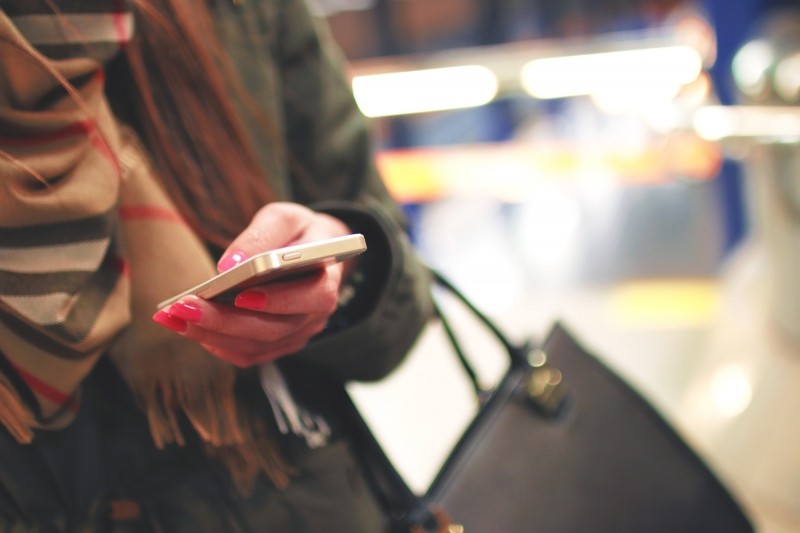
A classic piece of advice that helps keep email, social networks and other online services safe is by enabling something called two-step verification. This security mechanism makes it more difficult for a cyber-delinquent to access your account through two-step verification. When a different device from the “usual” one (different computer or smartphone) tries to access your account, they must enter a code that is sent to the mobile phone associated with the account in order to continue.
If a cyber-criminal is trying to get into your account, who in theory cannot access your smartphone, this two-step process makes it very complicated for him. Or so we thought. A group of researchers from the Free University of Amsterdam showed us that this type of protection is becoming more and more flawed the better we communicate with each other using our different devices. This means that the more computers, smartphones or devices that have access to your account and passwords, the higher your chances are of getting an account hijacked by a cyber-criminal.
The two-step verification is one of the most popular security measures
In other words, because we are able to synchronize applications between two devices, like your computer and smartphone (and what you do in one can affect the other), the effectiveness of two-step verification decreases.
Android and iOS, equally vulnerable
The study’s authors have showed us the possibility of installing apps offered through Android onto your smartphone remotely through the computer (accessing Google Play with the browser) or installing remotely through iTunes.
In both of the above cases, following slightly different strategies, they have managed to intercept the verification code that websites send to your smartphone through SMS when there is a two-step verification, so it is very possible that a hypothetical cyber-criminal could access your Facebook, Google or Amazon accounts—to cite just a few.
The verification code that websites send you through SMS can be intercepted
Don’t stop doing what you’ve been doing
Just because you have found out about this vulnerability does not mean it is no longer advisable to activate this safety measure in all the services that offer it. There will always be a few obstacles that you can put between the attackers and your personal information.