Monthly Archives: January 2017
Man Jailed For Hacking Jennifer Lawrence
Kaspersky Lab's Top Investigator Reportedly Arrested In Treason Probe
Google to Block .js Attachments in Gmail
Citing security concerns, Google announced that it will soon block JavaScript (.js) file attachments in Gmail.
Mandos Encrypted File System Unattended Reboot Utility 1.7.14
The Mandos system allows computers to have encrypted root file systems and at the same time be capable of remote or unattended reboots. The computers run a small client program in the initial RAM disk environment which will communicate with a server over a network. All network communication is encrypted using TLS. The clients are identified by the server using an OpenPGP key that is unique to each client. The server sends the clients an encrypted password. The encrypted password is decrypted by the clients using the same OpenPGP key, and the password is then used to unlock the root file system.
High-Severity Chrome Vulnerabilities Earn Researcher $32K in Rewards
Researcher Mariusz Mlynski found and disclosed four high-severity vulnerabilities in Chrome’s Blink rendering engine, earning himself $32,000 through the Chrome Rewards program.
Desperately seeking cybersecurity skills
Cybercrime is victimizing US companies and consumers, but a gap in cybersecurity skills presents a problem for the federal government. ESET’s Stephen Cobb investigates.
The post Desperately seeking cybersecurity skills appeared first on WeLiveSecurity

The risks of using personal social media at work
Many businesses are actively encouraging their employees to use social media at work, hoping that they will become “brand advocates”, talking about the company’s products and services. Employers also hope that their worker’s accounts will help to give the company a “human” face.
But as good as these intentions are, you should carefully consider whether you really want to use your social media accounts at work. Because there are a few potential issues to be aware of.
Increased risk of downloading malware
Social media is a brilliant tool for sharing links, videos and interesting information with your friends online. But not all those links go to good places – quite often those pages will have adware, malware or computer viruses lurking in the background, trying to download themselves onto your computer.
If malware does install itself on your work computer, it could cause serious damage to the rest of the network. The time and costs associated with fixing these issues could seriously hurt your company – and maybe even lose you your job, even if it was an accident.
Possible negative press
There are dozens of examples of situations where someone has made a joke online, but one of their followers has taken offence. The issue quickly escalates, as strangers offer criticisms – and sometimes even threats.
The fall-out from these incidents also affects that person’s employer – some people wrongly assume that the individual and their company are inextricably linked. So the company must act to regain control of the situation – including sacking the employee involved.
Wasting time
With so much interesting information available on Facebook, Twitter, Instagram etc, it is very easy to spend hours catching up on what people are sharing. But if you spend too long on non-work related tasks, you will run into problems getting your actual work done.
When the quality of your work starts to decline, you could be disciplined by your employer – and potentially sacked if things go too far.
Protecting yourself at work
Before you start using your personal social media accounts at work, you should have a conversation with your boss. You should ask how your employer expects you to behave:
-
What kind of malware and content-blocking tools will they deploy to prevent viruses being downloaded accidentally?
-
What protections are in place in the event of a social media disaster? Is there a plan to protect the business and the employees?
-
What constitutes fair use? How much is too much? Can you do whatever you like online, so long as your work is being done?
It is only by establishing these guidelines up front that you can hope to avoid accidentally breaking one of them, risking your job. By being smart, both you and your business avoid trouble and gain the benefits offered by social media.
The post The risks of using personal social media at work appeared first on Panda Security Mediacenter.
The 25 worst passwords of them all
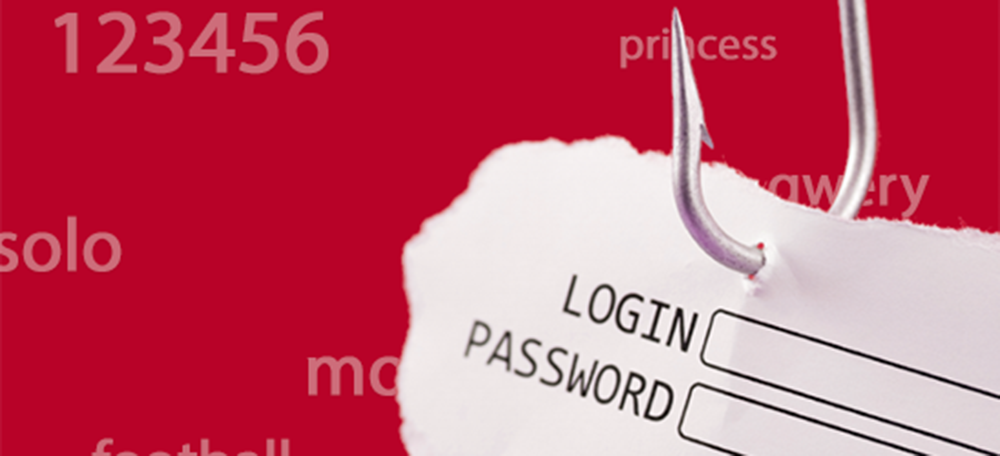
With all the data breaches that happened during 2016 – just think back to the 32 million Twitter passwords on the Dark Web or the time we found out that Mr. Zuckerberg’s password was ‘dadada’ –one should think that people have managed to notice that password security is a good idea and somewhat important. Think […]
The post The 25 worst passwords of them all appeared first on Avira Blog.
Kaspersky Lab Joins with Massachusetts Institute of Technology to Host “Think Security†Event
Kaspersky Lab announced today it will host a cybersecurity seminar, titled “Think Security,” which offers MIT students an opportunity to learn about the challenges of protecting today’s critical infrastructure against the sophisticated cyberattacks emerging around the world.