This feature offers a very digested read of ESET’s trilogy of research papers on Sednit, one of the most notorious groups of cyberattackers in the world.
The post Sednit: A very digested read appeared first on WeLiveSecurity.

Antivirus Vendors
This feature offers a very digested read of ESET’s trilogy of research papers on Sednit, one of the most notorious groups of cyberattackers in the world.
The post Sednit: A very digested read appeared first on WeLiveSecurity.
Concerns over unprotected customer data sharing on WhatsApp and Facebook results in UK Information Commissioner threatening to enforce action.
The post ICO concerned about privacy protection on WhatsApp/Facebook appeared first on WeLiveSecurity.


This year the University of Education Weingarten and Avira found a common ground again.
The post University @Avira: Students shape the user experience appeared first on Avira Blog.
Locky Ransomware Campaign Exploits Fears of Data Stolen in OPM Hack – ZDNet
Smishing is nothing new. But that doesn’t mean that the criminals hell bent on stealing Apple ID password are resting on their laurels.
The post Apple ID smishing evolves to lure more victims appeared first on WeLiveSecurity.


Computers are a big mystery for many people, especially for those who just want to use the device and not think about certificates, cookies, PUA, and malware. They just want to turn it on, connect to the closest WiFi, and get to work.
The post No, your computer (probably) does not contain child porn appeared first on Avira Blog.

Warning – the following article may contain spoilers
Charlton Brooker’s Black Mirror television series has become something of a phenomenon thanks to its almost prophetic predictions about society and technology. Set in the very near future, Black Mirror borrows technology stories from the media, and imagines the worst possible outcomes to create a bleak view of the world that we are creating today.
What makes Black Mirror so compelling is that the storylines are simultaneously outlandish and plausible. More impressive is the fact that some of the predictions have actually come true.
As the third season of Black Mirror airs on Netflix, it’s time to consider how close to reality the latest round of predictions really are.
Hackers take control of a Kenny’s laptop, and use the webcam to secretly film him in a compromising situation. Kenny then receives a string of ransom texts to his phone, demanding he follow the supplied instructions or risk the embarrassing video being leaked to his friends, family and the rest of the world online.
The reality is that malware already exists to hack into computers, activating the web cam remotely. And like most malware, you probably won’t even notice anything is wrong until you receive a ransom demand or similar.
To prevent being spied on, some people take the extreme step of taping over their webcam – a method favoured by Facebook CEO Mark Zuckerberg.
Just as effective (and much easier to manage) is to protect your computer with a robust antivirus application like Panda Security that can detect and block malware before it can install itself.
The Metropolitan Police investigate the brutal murder of a journalist in London. All the evidence seems to point to the woman’s husband, but of the detectives assigned to the case suspects that social media may also play a part.
As more deaths follow, it is discovered that a swarm of robot bees has been programmed to kill anyone trending online with the hashtag #DeathTo. The mob mentality of social media users is unwittingly singling out individuals for death.
The robot bees may not yet exist, but the vicious hashtags that accompany each attack in Black Mirror certainly do. Cyberbullying is widespread, and really does cause lasting damage to the victim, leading to stress, depression and, in extreme cases, suicide.
Online bots that respond to trending hashtags already exist, helping to spread viral messages, or trigger specific actions for companies that monitor social media. The artificial “intelligence” to drive a swarm of robot bees is ready, even if the technology is not.
To avoid attracting the attention of trolls online, parents should consider installing a comprehensive internet security package like Panda Gold Protection (you can download a free trial here). This will allow you to block access to sensitive sites – including social media – protecting your family against simple, unintentional mistakes becoming headline (life-threatening) news.
Black Mirror makes for uncomfortable viewing – mainly because it is so close to the reality we know. The dire outcomes of each episode are just realistic enough to create a terrifying view of the future. Fortunately you can avoid starting some of these chains of events with some effective internet security software.
For more help and advice about staying safe online, please get in touch.
The post Black Mirror – How much is already real? appeared first on Panda Security Mediacenter.
Google has announced new measures that resolve a security loophole that allows certain websites to circumnavigate its Safe Browsing service.
The post Google fixes Safe Browsing security loophole appeared first on WeLiveSecurity.

Tesco Bank, which recently saw thousands of its customers lose funds to cybercriminals, has been found on the target list of the so-called Retefe malware.
The post Tesco Bank not alone in being targeted by Retefe malware appeared first on WeLiveSecurity.

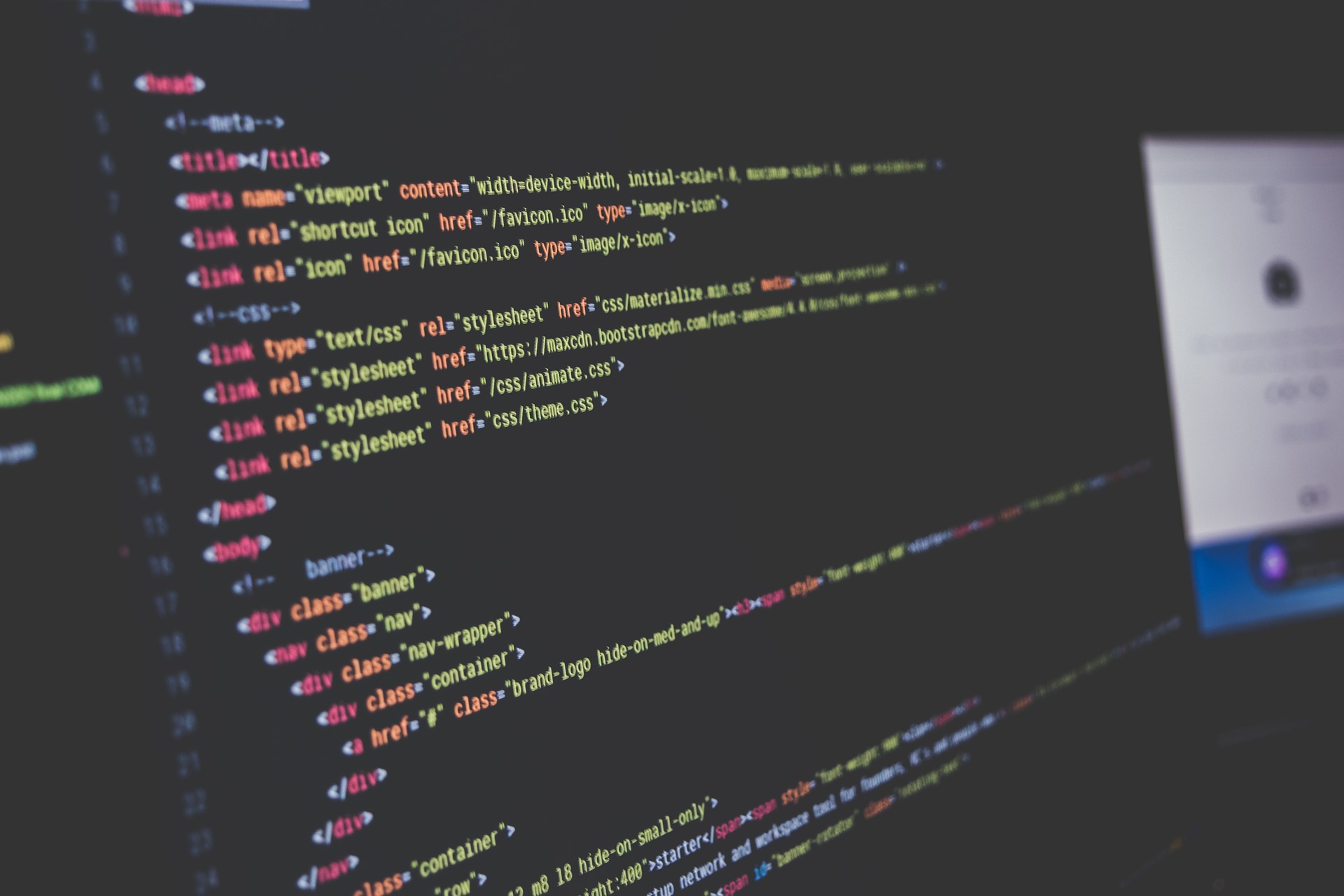
Can you imagine a system that could not be hacked? That repelled those who tried? This apparently impossible dream has been pursued by developers for decades, without much success. In theory, this is perfectly possible; in practice, however, it demands too much effort and program code would be too long.
However, the HACMS project has taken a very big step to fulfill that dream. According to information recently revealed to the public, in the summer of 2015 the U.S. Defense Advanced Research Projects Agency (DARPA) conducted an experiment consisting of subjecting an unmanned military helicopter equipped with a new kind of security mechanism to attack by a team of six hacking experts. The helicopter was impossible to hack into, despite the hackers had the advantage of having been given access to some parts of the drone’s computer system.
The security mechanism they were testing is based on an old concept that only recently is becoming a reality: formal verification, a style of software programming that ensures code integrity. With the technology that we have today, it was absolutely impossible to hack into key parts of the helicopter’s computer system, its code as trustworthy as a mathematical proof.
Writing such strong computer code has been the aspiration of every expert since the inception of computer science. For a long time it seemed hopelessly out of reach, but the technological advances made by military and academic institutions, in collaboration with large multinationals such as Microsoft and Amazon, have made the idea of creating hacker-proof code a closer reality.
The technological advances made by military and academic institutions, along with tech giants,
have pulled hacker-proof code into a closer reality.
 The ongoing efforts towards developing unhackable code are being spurred by the need to strengthen security in our increasingly interconnected world, with the Internet of Things becoming a reality in households, cities and almost every object that surrounds us.
The promising results of the HACMS project have already been replicated in other areas of military technology, such as satellites and driverless trucks, and Microsoft is working on two projects based on similar techniques: one aimed at securing complex cyber-physical systems such a drones, and another one, codenamed Everest, to create a verified version of HTTPS that allows users to browse online safely.
It is difficult to think that we are witnessing the beginning of the end of hacking, but it is true that we are one step closer to making things much harder for cyber-criminals by designing programs which, with today’s technologies, are impossible to tamper with.
The post Are we closer to hacker-proof computer code? appeared first on Panda Security Mediacenter.