Tag Archives: featured1

Replace pre-installed antivirus on your Black Friday laptop

Black Friday laptop

Most people replace pre-installed antivirus programs with Avast Antivirus.

Black Friday and Cyber Monday abound with deals on laptops. When you purchase a new laptop one of the first things you should do is make sure that it is secure with your choice of antivirus protection.

You will probably find that antivirus is already pre-installed, for example, Windows Defender is built into devices that use Windows 8 and Windows 8.1. Among Windows 7 users, Microsoft Security Essentials is on most devices. When users change antivirus protection, the top product enabled is, you guessed it, Avast Free Antivirus.

You should replace Microsoft Security Essentials

Initial praise for the software (MSE) has turned to disappointment and it’s now clear that a third-party antivirus remains the best pick even for users who don’t want to pay,

wrote Matt Smith in a makeuseof.com article called Why You Should Replace Microsoft Security Essentials With A Proper Antivirus. Mr. Smith recommends Avast Free Antivirus.

Same goes for Windows Defender.

If you’re relying solely on Windows Defender for your antivirus protection, you’re anything but defended,

wrote Jill Scharr for Tom’s Guide.

Out with the old, in with the new

We strongly recommend to uninstall previously installed antivirus applications before installing Avast Antivirus on your computer. You can find a list of vendors, from A to Z, that provide a special removal tool to uninstall their antivirus software on our FAQ page. We recommend you follow their instructions before proceeding with the uninstallation.

Avast is most trusted worldwide

For the second year, Avast Free Antivirus has taken first place in the Worldwide Antivirus Product Market Share as measured by OPSWAT. With 220 million people, mobile devices, and computers protected by our security applications, Avast is the most trusted mobile and PC security in the world.

Avast Software’s security applications for PC, Mac, and Android are trusted by more than 200-million people and businesses. Please follow us on Facebook, Twitter and Google+.

Panda Security launches Panda Cloud Office Protection 7.1

Panda Security, The Cloud Security Company, announces the new features of version 7.1 of Panda Cloud Office Protection (PCOP), Panda Security’s cross-platform solution that offers the best cloud-based protection rapidly, easily and efficiently. In addition to the features included in the previous version, such as the ability for the user to act independently in the event of infections or problems detected, this version also includes improvements aimed at meeting the requirements of medium-sized and large customers who need greater control.

 Panda Cloud Office Protection 7.1 incorporates various technological and functional innovations compared to the previous version of the solution, with special emphasis on giving the user greater control and management. These new features include:

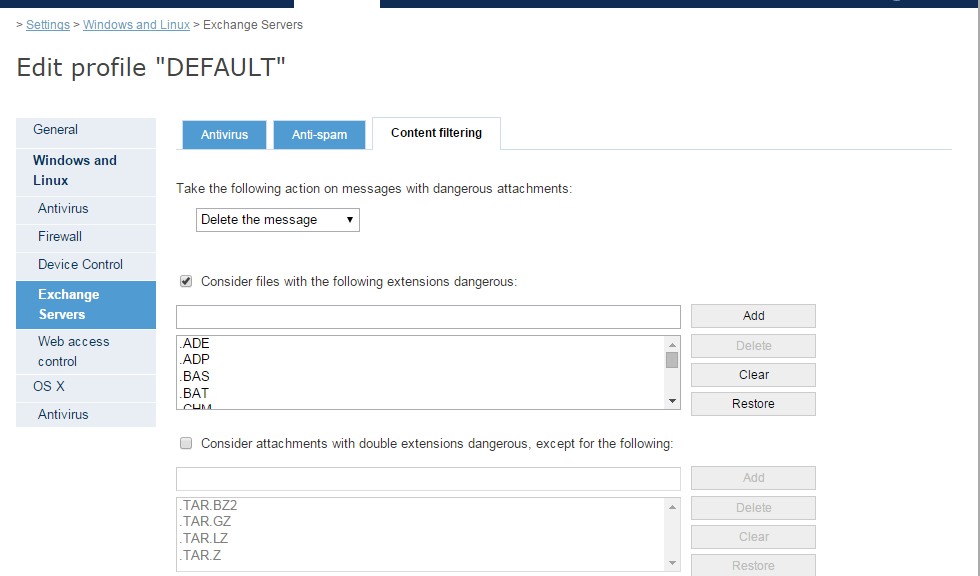
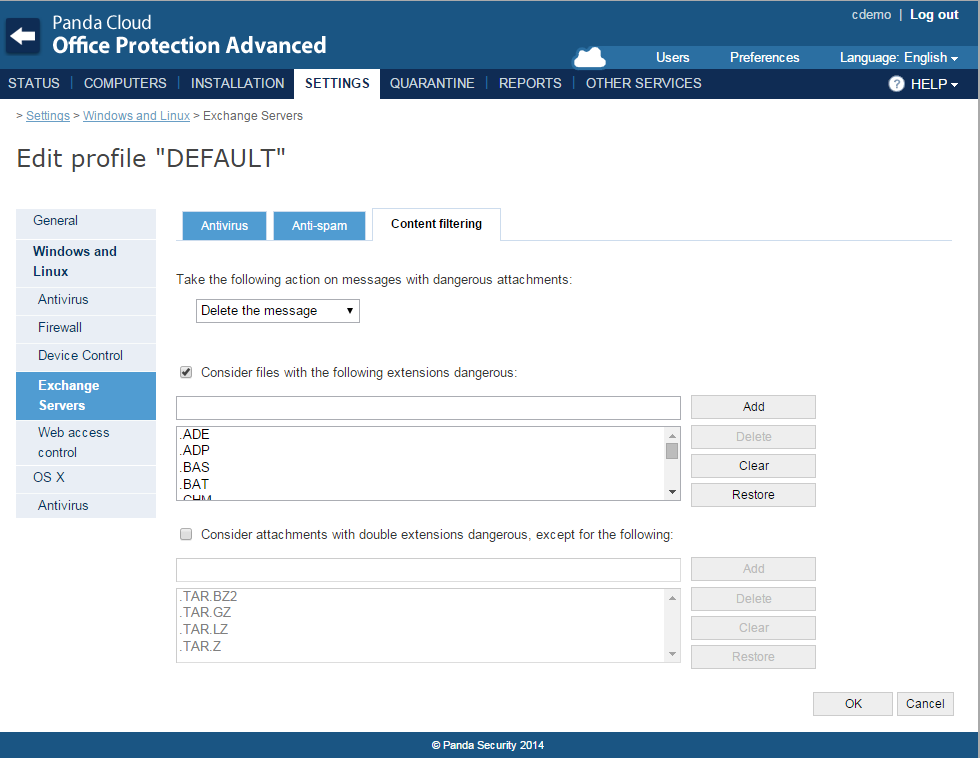
  • Content filtering for the Exchange protection, which allows emails to be filtered by the extension of the attachment, neutralizing dangerous attachments or attachments with a multiple file extension.
  • Whitelists included in device control. This feature allows different exclusions to be applied to different groups of computers selected by profile. In addition, whitelisted devices can be used without any restrictions, regardless of the settings.
  • Mobile device control. This option allows the user to block access to mobile devices.
  • New local console on the endpoint. This console provides PCOP administrators and partners with a tool to enable or disable the endpoint protection in a rapid and timely manner, without having to use the PCOP Web console.
  • Ability to upgrade to new versions from the PCOP Web console. Notifications will appear in the console to indicate that a new version is available.

PCOP 7.1_EN


“With Panda Cloud Office Protection 7.1 we want to foster independence of the network administrator, easing management of the solution, including whitelists and offering reports that help give the user greater control”, says Roberto Fernandez, Product Manager at Panda Security. “The goal of this new version is to offer PCOP administrators and our partners a tool that allows them to quickly secure their corporate environments,” he concludes.

The post Panda Security launches Panda Cloud Office Protection 7.1 appeared first on MediaCenter Panda Security.

Rootpipe, WireLurker and Masque Attack, the latest vulnerabilities on Apple devices

You have heard it more than once but it is a myth. It always has been. It does not matter how many times you have been told, Macs do have viruses. It is true that, until not too long ago, Apple computers were not a major target for cyber-crooks, but things are changing.

However, the fact that viruses do affect Macs is nothing new. Back in 1982 malware swarmed the old Apple II. That distant beginning of viruses on Apple machines was just an experiment but it already reflected the harsh reality. Gradually, at a much slower pace than PCs, Macs are also suffering the effects of some infection or other.

mac-viruses

The myth that there are no Mac viruses does have a basis, as malware has not roamed freely around Apple computers for various reasons. The main reason is that as Macs were not as widely-used, they were dismissed by cyber-crooks for developing malicious software targeting these machines.

However, the increasing presence of Macs on the market has changed this trend. They are popular and cyber-crooks do not want to miss the opportunity to spread their seeds of evil through these machines.

So, there are a few threats to bear in mind if you have a Mac and the dangers are increasing. In recent months quite a few vulnerabilities have been discovered that put the computers of the company managed by Tim Cook in the firing line.

Rootpipe and WireLurker, Mac vulnerabilities

One of them is Rootpipe. Discovered by a Swedish hacker just a few days ago, it is a critical security hole in OS X Yosemite, the latest version of Apple’s operating system. The flaw, for which a patch is not expected until the beginning of next year, allows cyber-crooks to act as the software administrator on third-party computers. In other words, get into your Mac without your consent.

The vulnerability and Apple’s delay in releasing a patch are very worrying but they are not the only security problem facing Mac users recently. A few days after Rootpipe was discovered, WireLurker came to light, a new malware family affecting Apple devices created in China and which has come to be considered the largest threat to them so far.

In this case, Mac users and the company can rest easier, as the Cupertino firm, which has identified 146 infected apps, has stopped the virus from spreading any further by blocking the apps responsible.

If you want to block Mac OS X malware as well as Windows malware, try the best antivirus for Mac.

padlock

Masque Attack, security flaw on iPads and iPhones

The cherry on this cake, which in just a few weeks brought the Apple device security myth crashing down, came with Masque Attack. A security hole in the majority of iPads and iPhones that makes them vulnerable to cyber-attacks.

Masque Attack allows cyber-crooks to access users’ personal data, even managing to get control of their devices. In this case, the Cupertino firm did react rapidly, but not fixing the threat but by releasing a statement down playing the importance of Masque Attack and insisting that iOS and OS X have various measures that warn users against installing potentially malicious software.

In any case, the best thing you can do to make sure that your iPad and iPhone are kept secure is to download apps from trusted sites only, such as the App Store, as the door cyber-crooks use to access your device is no other than making you download a malicious app. So remember, only download things from reliable sites and of course, forget about Apple not having any viruses.

The post Rootpipe, WireLurker and Masque Attack, the latest vulnerabilities on Apple devices appeared first on MediaCenter Panda Security.

Cybercriminals take advantage of relaxed security measures during Black Friday

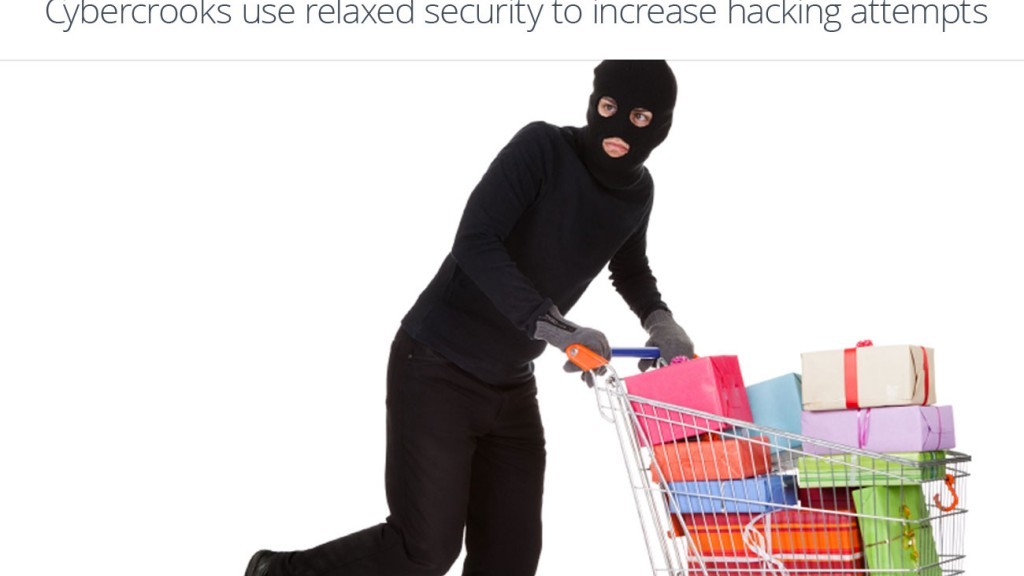
Cybercrooks believe that their attacks are more likely to succeed during the holiday shopping season.


BlackFriday-crook

Retailers have been “leaking” special Black Friday deals since before Buffalo got covered in a snow wall, and that flurry of sales results in the annual spike that carries them through the rest of the year. But analysts who study these things warn that cybercrooks are riding the sales wave with a surge in attacks due to relaxed security measures.

The Wall Street Journal quotes Gartner Inc’s vice president Avivah Litan,

Retail transaction volume increases by 50% during the holidays and retailers don’t want to stop to slow the pace of business, so they relax fraud controls to some degree. Criminals know they’re likely to get away with more.

Yikes! That’s not good news for consumers, especially since we are swiping our credit and debit cards at places like Target, The Home Depot, and Neiman Marcus – all victims of point-of-sale terminal hacks this year. Experts have advised retailers to take action, like upgrading terminals with new technology and enabling chip embedded cards, but all that takes time to implement.

It’s not much better online. Attacks during last holiday shopping season, November 14, 2013 through January 9, 2014 increased by 264% over the weeks prior to that time, says security company Imperva.The reason?

Believe Macy's

Cybercrooks believe in their ability to succeed this time of year.

Cybercrooks believe that retail applications are more vulnerable during this time of the year, and that attacks are more likely to succeed. Isn’t that what the Gartner analyst said about brick-and-mortar retailers?

The reasoning is similar – in order not to annoy shoppers who can go elsewhere, online retailers relax strict security measures such as step-up authentication and Captcha. Add that easy check-out to all those new Black Friday and CyberMonday quick campaign webpages, (“bad design, unsafe coding, and usage of insecure third-party libraries”) and cybercrooks get an early Christmas present in the form of your credit card number and possible stolen identity.

How to protect yourself during Black Friday

  • Stay home on Thursday Celebrate Thanksgiving with your family. That way you can safely eat too much and watch football and movies while avoiding the crazed crowds trying to jump the gun on Black FRIDAY sales.
  • In God We Trust, All Others Use Cash Use cash or a credit card when paying for your purchases. With a credit card, you can dispute charges, if your financial data falls into the hands of cybercrooks.
  • Change your passwords. Please don’t use the same password for online shopping sites that you use for your bank. When you do it’s like wrapping it in fancy paper and a bow – it’s that easy for a cybercrook to get to.
  • Regularly monitor your bank and credit card statements to make sure all the transactions are legitimate. Monitor your credit report for any changes.

Avast Software’s security applications for PC, Mac, and Android are trusted by more than 200-million people and businesses. Please follow us on Facebook, Twitter and Google+.


Electronic voting may not be 100% secure (but neither is traditional voting)

urn

You must start from a base: no voting system is 100% secure. Neither traditional nor electronic. Ballot stuffing is a practice as old as elections themselves and it refers to one of the multiple techniques used throughout history to tamper with election results: submitting multiple ballots per person.

There is also the personation technique, deceased voters who come back to life for one day to vote; and electoral registration fraud, voters registering illegally in a constituency that does not correspond to them. That is not to speak of the buses that pick up people from the villages to take them to the capital to vote, the party obviously covering the expense.

Electronic voting, the essence of so-called “cyber-democracy”, is not safe from fraud. In fact, there is a perception that it is even less secure, easier to tamper with than methacrylate ballot boxes.

For example, a recent study by researchers Dan Zimmerman and Joe Kiniry analyzes the risks of voting via email, one of the methods already being used in various countries, and advise against using it. And quite a few European countries have gone back on their decision to use online voting, due to the controversy that has arisen.

world-electronic-voting

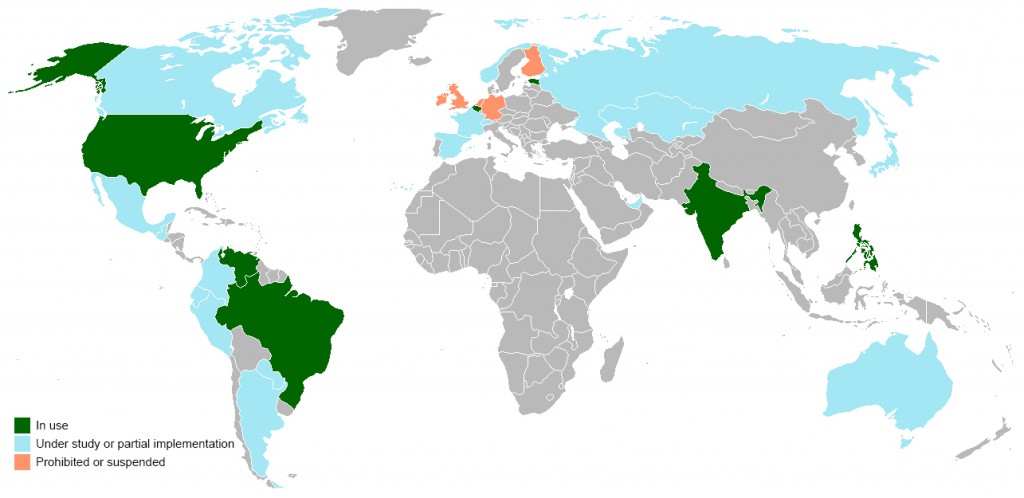
The Netherlands, pioneer in implementing electronic voting (a legal provision being put in place in 1965), decided to go back to using ballot papers in 2008, two years after the publication of a study that revealed a serious security problem in the system.

In 2009, following a long legal battle, the German Federal Constitutional Court ruled electronic voting unconstitutional, as it considered that it did not allow citizens without technical knowledge to supervise the election process. In the same year, Ireland scrapped the online voting system. Finland halted its program in 2010, after invalidating the results of the first pilot test, which was carried out in 2008.

The United Kingdom carried out more than thirty pilot tests between 2002 and 2007, but none of them returned sufficient guarantees for authorities. The Electoral Commission suspended the implementation of electronic voting in 2008.

In Spain, the surprise political party that was successful in the European elections, Podemos, is using an electronic voting system to make internal decisions. It is called Agora Voting and involves three phases: One, the party’s responsibility is to make sure that the person voting is who they say they are; the second and third, registration and counting of the votes, are the shared responsibility of the so-called “voting authorities” (independent observers who certify that no personal interests contaminate the process). All of the software used is free software and after voting, each voter can check the integrity of the vote using an identifier.

podemos-voting

In this case, the largest crack in the system is in the Podemos registration or membership system, which only asks for a national identity card number and phone number. Both of these things, as already proved, can be faked.

To sum up, as Eduardo Robles, cofounder of Agora Voting, said, there is not a big difference between the traditional voting system and the electronic. “Can ballot papers get lost? Of course, but it is very difficult because they are kept guarded. Can ballot boxes be tampered with? Yes.” And the same happens with the virtual ones.

Security mechanisms improve very quickly but so do the techniques used by the attacker. While there is interest in changing the results, ballot stuffing will continue to evolve.

The post Electronic voting may not be 100% secure (but neither is traditional voting) appeared first on MediaCenter Panda Security.

Malware figures beat records with more than 20 million new samples identified in the third quarter of the year

Panda Security, The Cloud Security Company, has released the latest data from the PandaLabs Quarterly Report for the third quarter of the year. The main conclusions of the study include an increase in the malware created compared to the previous quarter, with a total of 20 million new samples created worldwide, and at an average rate of 227,747 new samples every day.

The global infection rate was 37.93%, compared to 36.87% the previous quarter.

Trojans are increasing

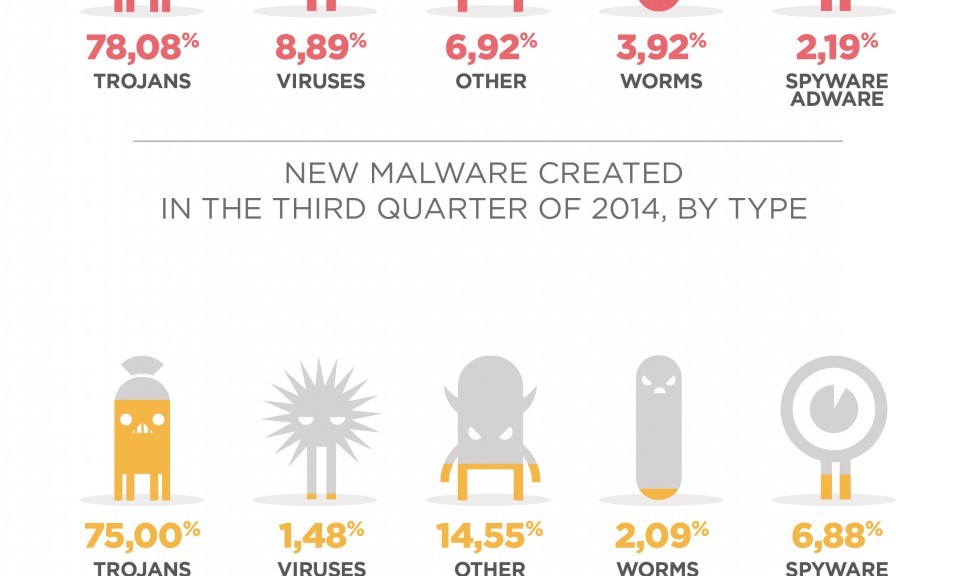
Trojans are still the most common malware type (78.08%), increasing compared to the second quarter of the year. In second place, and a long way behind, are viruses (8.89%) and worms (3.92%).

“Over recent months cyber-crime has continued growing. Cyber-crooks are still creating malware in order to infect as many computers as possible and access confidential data”, says Luis Corrons, Technical Director of PandaLabs at Panda Security. “But corporate environments have also come under attack. For example, over the last three months large companies have been the subjects of some scandals, such as the infamous “Celebgate”, in which photos of actresses and models hosted on Apple’s iCloud service were leaked, or the theft of Gmail and Dropbox passwords”.

Trojan infections are up while PUPs are dow

Furthermore, Trojans were again the most malware prolific threat during the period, accounting for 75% of infections, compared to 62.80% in the previous quarter. PUPs are still second in the ranking, representing 14.55% of the total, which is a lower rate than in the second quarter when infections that used this technique amounted to 24.77%. These are followed by adware/spyware (6.88%), worms (2.09%) and viruses (1.48%).

01_ENInfections by country

The data recorded for each country shows that China is still at the top, reaching an infection rate of 49.83%, falling for the first time in a long time from 50% of computers infected. China is followed by Peru (42.38%) and Bolivia (42.12%).


As you can see the ranking of countries with the highest infection rate is dominated by Asia and Latin America.

The full report is available here.

The post Malware figures beat records with more than 20 million new samples identified in the third quarter of the year appeared first on MediaCenter Panda Security.

The top three questions the Avast Mobile Security team got asked at CARTES

It was great to see so many people who recognize the Avast brand and use our products at CARTES. We would like to say once more: Thank you so much! Every couple of minutes, we had a friendly visit from some of our fans and we always tried to talk to them for a while. Sometimes we got some interesting questions. We would like to share those that occurred the most.

1. Are you guys from the Netherlands?

No. :) Despite the orange color all over the place, Avast is a Prague- (that beautiful city in the Czech Republic that you read about in the travel magazines) based company with offices all over the world including Silicon Valley, Austin, Munich, and Hong Kong.

prague castle

A view of the beautiful Prague castle.

2. How do you make money if your products are free?

In general, we monetize our products both directly (via premium subscriptions or paid product versions) and indirectly (via ads in our applications, or partnerships / referrals, i.e.). On mobile, we are not making much money these days, compared to our desktop products. However, mobile apps are a great part of our product ecosystem. They help us build the brand and engage with people who use them. Our mobile products solve real problems and make the world a better, more secure place. In the future, we see a good potential to monetize mobile applications indirectly, due to our multi-million user base.

3. Why are you a better desktop Antivirus than XYZ?

“Better” is never a good word when talking about competition with modesty and respect. We have some compelling features in our Antivirus products. Check out the Home Network Security, SafeZone or process virtualization in our Avast 2015 version. Or you can try the Free version for yourself and compare our product with the Antivirus you have at the moment.

Did you like the article? Follow the author at @joshis_tweets.

Avast Software’s security applications for PC, Mac, and Android are trusted by more than 200-million people and businesses. Please follow us on Facebook, Twitter and Google+.

Be an Avast Mobile Security beta tester

This is your chance to be an Avast beta tester!

top rated AMS

You can influence the future direction of Avast Mobile Security when you are a beta tester.

Avast customers who have Android smartphones and tablets have played a significant role in the development of our mobile products. Now you can be part of the team by participating in our new beta version of Avast Mobile Security!

Why you should be an Avast beta tester

  • YOU GET EXCLUSIVE ACCESS  – Participants in the Avast Mobile Security Beta program have access to early versions of our Avast Mobile Security application. You get to be the first one to see all the new functions, before the official release.
  • YOU HELP CREATE THE PRODUCT – When you are a beta tester, we want your feedback, so that means that your suggestions and your critical evaluation of the application actively influence how Avast Mobile Security will work and what it will look like in the future.
  • YOU ARE AN ELITE MEMBER OF THE TEAM – We are looking for people with vision and enthusiasm from all over the world. You are not an ordinary Avast user – we identify you as a powerful influencer and we listen to what you have to say.

How to become an Avast beta tester

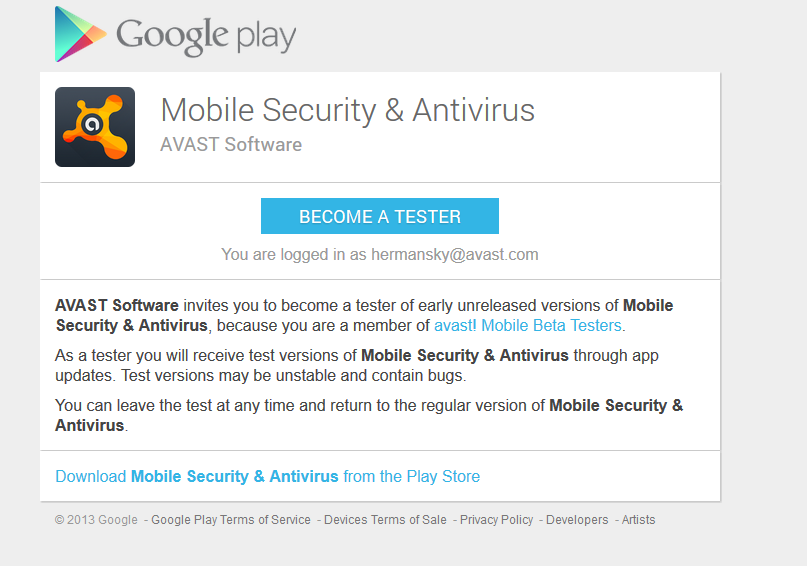
  • Join our beta community on Google+
  • Click on the Avast Mobile Security (beta) link
  • Click on BECOME A TESTER
  • Download  the beta version through Google Play on your device

Avast Mobile Security beta test

Join our Google+ Beta Testers community to test the latest version and give your feedback and suggestions.

Avast Software’s security applications for PC, Mac, and Android are trusted by more than 200-million people and businesses. Please follow us on Facebook, Twitter and Google+.


How to change your router DNS settings and avoid hijacking

If your home router is hacked, you have a serious situation on your hands.

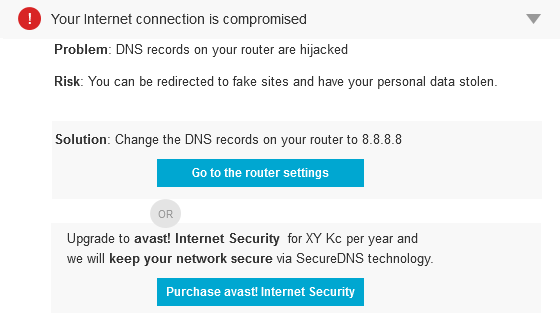
When an Avast Home Network Security scan finds that your router is already compromised, this notification will appear.

Your WiFi network is not secured

Your WiFi network is not secured

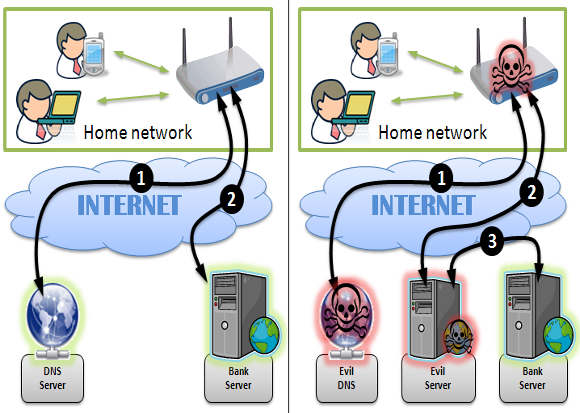
This means that the router has been hacked and the DNS settings have been modified to serve hacked contents to a cyberthief. This is a pretty serious situation. When hackers exploit router vulnerabilities, gain access to it, and modify the DNS servers settings, all your Internet traffic can be forwarded to rogue servers. This is called a man-in-the-middle attack.

The DNS or Domain Name System, is the “phone book” of the Internet, and an IP address is what’s listed in the book. DNS names computers, services, or any resource connected to the Internet or a private network. It translates easily memorized domain names, for instance, www.example.com, to the unique numerical IP addresses needed to locate the service worldwide.

What happens when your router is hacked?

Instead of connecting to a clean site or service, when your router is hacked, you’ll visit a rogue and hacked one. It’s obvious that your privacy will be violated, and your banking information could be captured – by the man-in-the-middle mentioned above. Even the usually secure SSL, the HTTPS protocol we have all been instructed to look for to indicate a secure site, won’t assure you’re protected. Instead, you’ll be proxied through malicious servers and the encrypted connection is cut in the middle. This illustration shows what happens.


Your WiFi network is not secured

Source: http://www.cert.pl//news/8019/langswitch_lang/en

This could also happen if your router is set to default/weak/factory password. So, the worst scenario of hacking is not that uncommon. See the latest news about webcams being hacked because of the owner’s using default passwords. Vincent Steckler, CEO of Avast, told VentureBeat that consumers are notorious for not updating default passwords, just as I’m talking about here. Some 63 percent of wireless routers run with default passwords, says Steckler.

The problem goes further than just one user or one device. The malicious effects can spread to all users in the local network, regardless of the operating system used.

How to protect ourselves against this plague?

First, scan your home network with Avast Home Network Security to verify if your device is compromised. If Avast alerts you, it’s already too late. You’ve already been compromised. You need to manually check the DNS servers in the router configuration.

By default, your router uses DNS servers automatically acquired from your Internet provider. All the devices on your network — PCs, smartphones, tablets, game consoles, and anything else connected to the network — get their DNS server from the router. You can change the DNS server on your router, therefore changing every other device on your network.

There are several good articles on the Internet about changing your DNS. Here’s one from howtogeek.com.

You also need to pay attention to your browser address bar. The HTTPS indicator should be there all the time. If it comes and goes, you may have already been compromised. In these cases, or for any other strange symptom you could be experiencing: Disable your Internet connection immediately and change the router username and password to unique ones (consult the router manual for instructions).

But, be warned, neither of these will be enough because if the router is vulnerable, it will take the attacker no time to change the settings back. Updating the router firmware or even changing it completely – as described in previous article – will be necessary.

Avast Software’s security applications for PC, Mac, and Android are trusted by more than 200-million people and businesses. Please follow us on Facebook, Twitter and Google+.


Avast apps make mobile payments safer

The Avast Mobile Security team showcased secure solutions for payment, identification and mobility at the CARTES conference.

The Avast Mobile team had a couple of busy days in November – we participated at CARTES Secure Connexions 2014 and showcased some of our best mobile apps in the “Mobile payments” pavilion. In our traditional and authentic guerrilla style, we drove a truck to Paris, we built the stand ourselves (and almost got killed dismantling it the last day), and we greeted our friends and product users in person, with no external hostesses; only Avast Mobile crew members equipped with mint candies, product fliers, and an unlimited dose of enthusiasm. :-)

CARTES 1

You may ask yourself, what was my mobile antivirus provider doing at CARTES, a global event for the digital security industry?

Because of the experience the Inmite acquisition brought to Avast Mobile, the Avast team knows a thing or two about mobile payments security, and we believe we can bring additional value to this topic with our products.

Mobile payment security starts and ends with the customer

While there are many techniques app makers or payment institutions such as a banks use to secure their mobile applications, recent attacks show that the weakest part of the chain are end clients – in other words – you and me. Face it, most people tend to underestimate potential threats, they fall for phishing attacks or attacks by social engineering, they connect to insecure public Wi-Fi hotspots, and they know in most cases, that banks will handle possible issues they have gracefully. In many cases, banks will even refund complete financial loss in order to keep their reputation high. The value Avast can bring to the table is the fact that most of our solutions are oriented towards the end users and their devices – we help where the additional help is needed.

airbondSecuring your mobile device better is simple

At CARTES, we presented three products for mobile:

This selection of products was not random. Each of the products protect people and their payments at different “stages”.

AIR BOND is our patent pending HW authentication token based on Bluetooth Low Energy. It wirelessly communicates with your smartphone or tablet and co-signs your transactions before they are sent to the server. It requires no special effort, like rewriting a numeric code or putting an NFC tag close to your iPhone (that does not support NFC this way anyway ;-). )You can use your mobile banking or payment app as long as your AIR BOND is nearby. If you lose your phone or somebody steals it, your banking is instantly safe – proximity to the AIR BOND device is required in order to execute transactions (all of them or only some of them depend on AIR BOND deployment type at each individual bank).

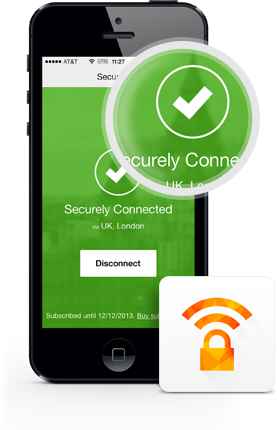
SecureLine VPN is an easy-to-use VPN solution for mobile and desktop. You can download the app from the iTunes App Store or from Google Play, turn the switch on and use your phone normally. No special setup is needed on your end; we take care of the server infrastructure and all the nasty configuration that is usually required for VPN solutions to work.

SecureLine encrypts and anonymizes your communication while your payments are being sent to the server. Since most of the mobile communication happens in the public space, often at an unknown and improperly secured Wi-Fi hotspots, this mechanism brings a great deal of “practical security” to normal people. Most of the current network security issues are with the nearest router or with ISP infrastructure – basically in the first 10 miles of communication.
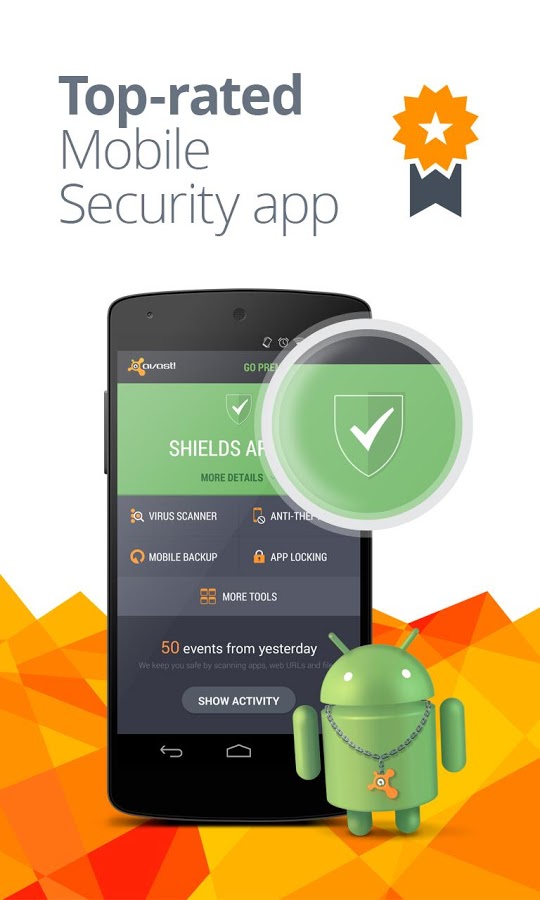
VPNAvast Mobile Security & Antivirus is the hottest mobile product today and it recently got a major facelift in order to become even more sleek and sexy. It is an Android app that includes antivirus, anti-theft (must be installed separately to the app, since anti-theft goes deep in the system), and several very handy security / privacy features, like App locking (adds a PIN code login screen to any app you have), or Call & SMS filter (blocks annoying calls and unwanted SMS messages). This application can protect your payments when your Android phone is under fire and everything is about to go wrong. For example, when you install a potentially malicious application, or when you lose your phone or somebody steals it from you, this app is here to protect you.

Every bank should suggest security products to their clients

In my personal experience, banks and payment institutions usually make mobile apps that are reasonably well secured in their implementation. However, security is a complex issue where an interplay of many components is needed to achieve good results. Protection at the end user level is one of these components, being a valuable addition to the built-in application security or security implemented within the bank’s back-end systems.

Banks and other payment institutions should educate their clients and recommend  products that protect their accounts and payments on their devices. Does your bank do that for you? If not, this is an opportunity – help us spread the word about Avast products! :-)

Did you like the article? Follow the author at @joshis_tweets.

Avast Software’s security applications for PC, Mac, and Android are trusted by more than 200-million people and businesses. Please follow us on Facebook, Twitter and Google+.