The black market for malicious Android software is heating up thanks to a rise in popularity of overlay malware.
Tag Archives: Malware

In-Brief: Telegram Vulnerability, Malware in Nuclear Plant, Anti-Tor Malware and Hotpatching Exploit
Clickjacking Vulnerability in Telegram Web Client
The official Telegram web-client that allows its users to access messenger account over desktop’s web browser is vulnerable to clickjacking web application vulnerability.
Egyptian security researcher Mohamed A. Baset told The Hacker News about a flaw in Telegram that could allow an attacker to change sensitive information of a Telegram user,


Former Tor Developer Created Malware for FBI to Unmask Tor Users
In Brief
According to an investigation, Matthew Edman, a cyber security expert and former employee of the Tor Project, helped the FBI with Cornhusker a.k.a Torsploit malware that allowed Feds to hack and unmask Tor users in several high-profile cases, including Operation Torpedo and Silk Road.
Do you know who created malware for the FBI that allowed Feds to unmask Tor users?
It’s an

PLATINUM Hackers Hijack Windows Hotpatching to Stay Hidden
In Brief
The Microsoft’s Windows Defender Advanced Threat Hunting team detected that a cyber espionage group of hackers, known as PLATINUM, has found a way to turn the Windows’s Hotpatching technique (a way of updating the operating system without requiring a restart) to hide its malware from Antivirus products.
PLATINUM group has been active since 2009 and launching large-scale attacks

Tuto4PC Utilities Silently Install 12M Backdoors, Cisco
Security experts estimate 12 million users have been enticed to download software from the French firm Tuto4PC whose programs and silently install backdoors on PCs.
Platinum APT Group Abuses Windows Hotpatching
Microsoft disclosed details on the Platinum APT group and its arsenal of backdoors, keyloggers and its abuse of Windows hotpatching to load malicious code on compromised computers.

Ransomware and the Internet of Things
A report from the Institute for Critical Infrastructure Technology warns that ransomware could be hitting more than just your regular computer in future…
The post Ransomware and the Internet of Things appeared first on We Live Security.

Android Ransomware Attacks Using Towelroot, Hacking Team Exploits
Drive-by exploits install ransomware on outdated Android devices using a stolen Hacking Team exploit and the first weaponized Towelroot attack.
How Did Hackers Who Stole $81 Million from Bangladesh Bank Go Undetected?
In Brief
Investigators from British defense contractor BAE Systems discovered that hackers who stole $81 million from the Bangladesh Central Bank actually hacked into software from SWIFT financial platform, a key part of the global financial system.
The hackers used a custom-made malware to hide evidence and go undetected by erasing records of illicit transfers with the help of compromised

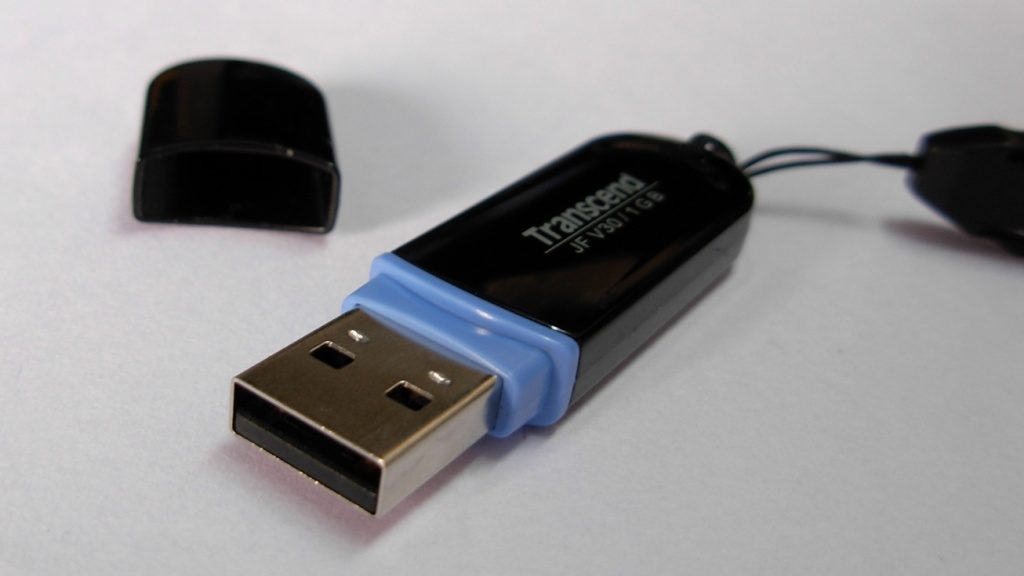
If you find a USB stick, resist the temptation to open it
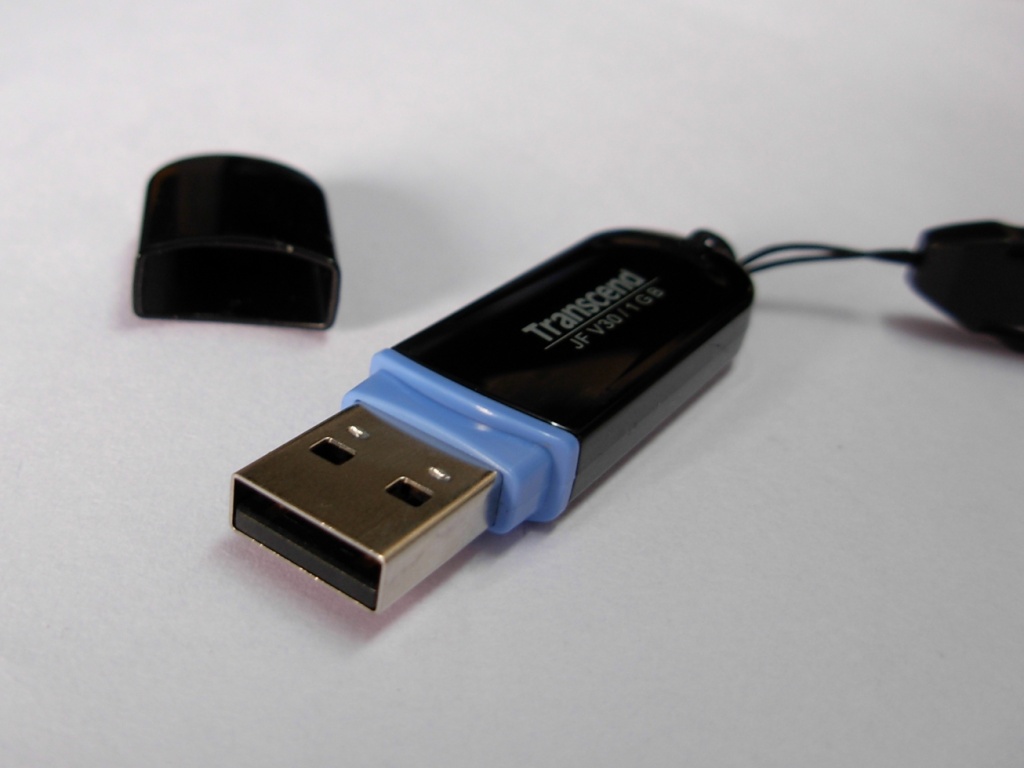
Beware of infected storage devices: USB flash drives, Floppy disks, CD-ROMs
Classic tricks never go out of style. A favorite trick in the cyber-crime world is done by infecting USB flash drives (or whatever method of storage that is used at the time… remember floppy disks and CD-ROMs?) to cast a malicious program onto the victim’s computer by taking advantage of our biggest human weakness: curiosity.
Maybe you think that there are only few who would fall into these traps, but the truth is that it’s a common occurrence. A group of researchers from the University of Illinois tested people’s “curiosity” and came up with an interesting conclusion: almost half took the bait.

Curious by nature
The study’s author spread 297 USB flash drives across campus to see what would happen. Almost half of the devices (48%) ended up in the USB port of someone else’s computer. Most of them later claimed that they plugged-in the USB in order to find its rightful owner and return it to them (68%). 18% admitted they did it out of curiosity.
The most alarming is not the number of people who fell into the temptation to look at what was stored on the device, but that they would look without taking proper precautions. Only ten people analyzed the USB stick using an antivirus.
Only ten people used an antivirus while
examining the contents of the USB stick
The five most naive victims admitted that they completely trusted their perating system, which unfortunately, was too hopeful. As the prestigious security expert Bruce Schneier stated, “the problem isn’t that people are idiots […] The problem is that operating systems trust random USB sticks.”
The post If you find a USB stick, resist the temptation to open it appeared first on Panda Security Mediacenter.