Barracuda Cloud Series – Filter Bypass Vulnerability (ID 731)

Posted by Vulnerability Lab on Feb 11

Document Title:
===============
Barracuda Cloud Series – Filter Bypass Vulnerability (ID 731)

References (Source):
====================
http://www.vulnerability-lab.com/get_content.php?id=754

Barracuda Networks Security ID (BNSEC): 731

Release Date:
=============
2015-01-19

Vulnerability Laboratory ID (VL-ID):
====================================
754

Common Vulnerability Scoring System:
====================================
4.1

Abstract…

Who’s dating who online & how do you get in safely?

Like many services, dating has made the move from your desktop to your pocket thanks to mobile apps that help you find love just around the corner.

In fact, because of that move to pockets and purses worldwide, there’s been a massive popularity explosion in online dating.

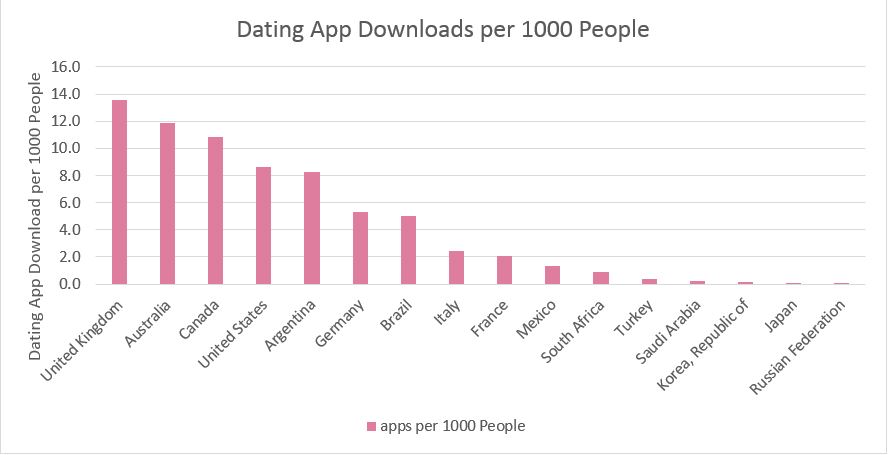
The country with the most online daters by far is the USA, merely because of the sheer number of people using mobile phones and downloading dating apps, according to our own research. As the birthplace of the mobile app industry, this doesn’t really come as surprise.

However, Americans are not the most likely to be dating online when viewed as a percentage.

When you break down how many people per 1000 are downloading dating apps, Americans are blown away by the United Kingdom, Australians and Canadians, and are only marginally ahead of the Argentinians. But even the Saudis are getting in on the online dating tango.

Dating App Downloads Per 1000 People


Choosing a site

If you’ve ever been tempted to try your hand at online dating, choosing the right service is one of the most important decisions you can make.

Whatever your age, interests or demographic there will be a site out there catering to your needs. I would advise sticking to well-known sites so that you can get support if you need it.

Interestingly, AVG’s research showed that app popularity differed greatly between countries. For example, Tinder is neck and neck with Plenty of Fish in the USA, but is dominant in Argentina.

If you do your research, you can pick the right service that will give you the best chance of success in your country.

Dating App Popularity By Country


Staying safe while online dating:

If you’re ready to jump into online dating, I would advise taking a few precautions to ensure you have a fun and safe time. Here are five simple tips to help you stay safe:

  • Use throwaway accounts: Some apps require an email or a Facebook account to log in. It may be best to create a new email or Facebook account, so that if things go sour, you can always limit your exposure and just close them down.
  • Use secure messaging in app: Don’t rush to move to off-app communications (emails, phone, etc). Take your time and communicate through the app, it’s there to help you stay private and get support when you need it.
  • Be wary of fake accounts: Fake dating profiles are known as Catfish scams. Don’t give out any personal details unless you are sure you’re talking to a real person. And remember that until you actually meet in person, you can never truly be sure—so try to get on a video call.
  • Be careful what you share: Most people know that the photos you share on social media sites become their property, but you may still be surprised to become the “hot date of the week” promoted on the app. Make sure you’re for anything you share to be seen publicly.
  • If you want to meet, tell someone where you’re going: It goes without saying that you shouldn’t rush out to meet someone you don’t know in the middle of the night. Make sure someone knows you’re out there and check in with them from time to time to let them know everything is ok.


Do your kids spend too much time online?

Each country has its own initiatives for protecting kids online. In the UK, for example, we have “Active Choice” which makes adult content opt-in rather than opt out. But I believe, that around the world, parents should be the first line of defense and guidance for our kids.

When we talk about children spending time online, it’s important to remember that our children do not have what we term ‘digital lives’. Technology is normal to them and part of growing up in today’s world.

I often hear parents raise concerns about how much time their children spend online and on devices. Generally I observe that they are equally guilty of this digital overindulgence. As ever, children mimic their parents’ behavior.

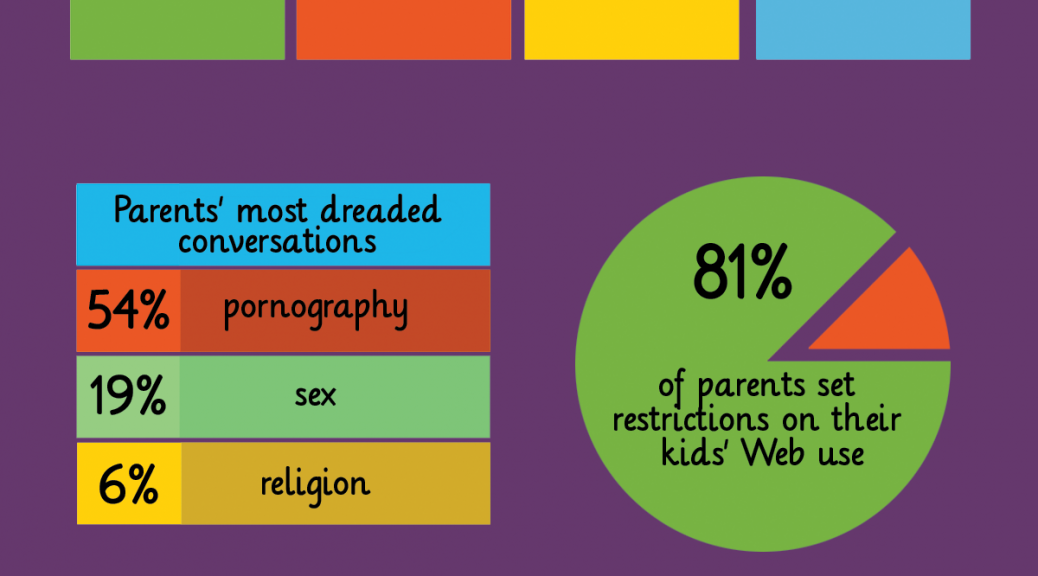
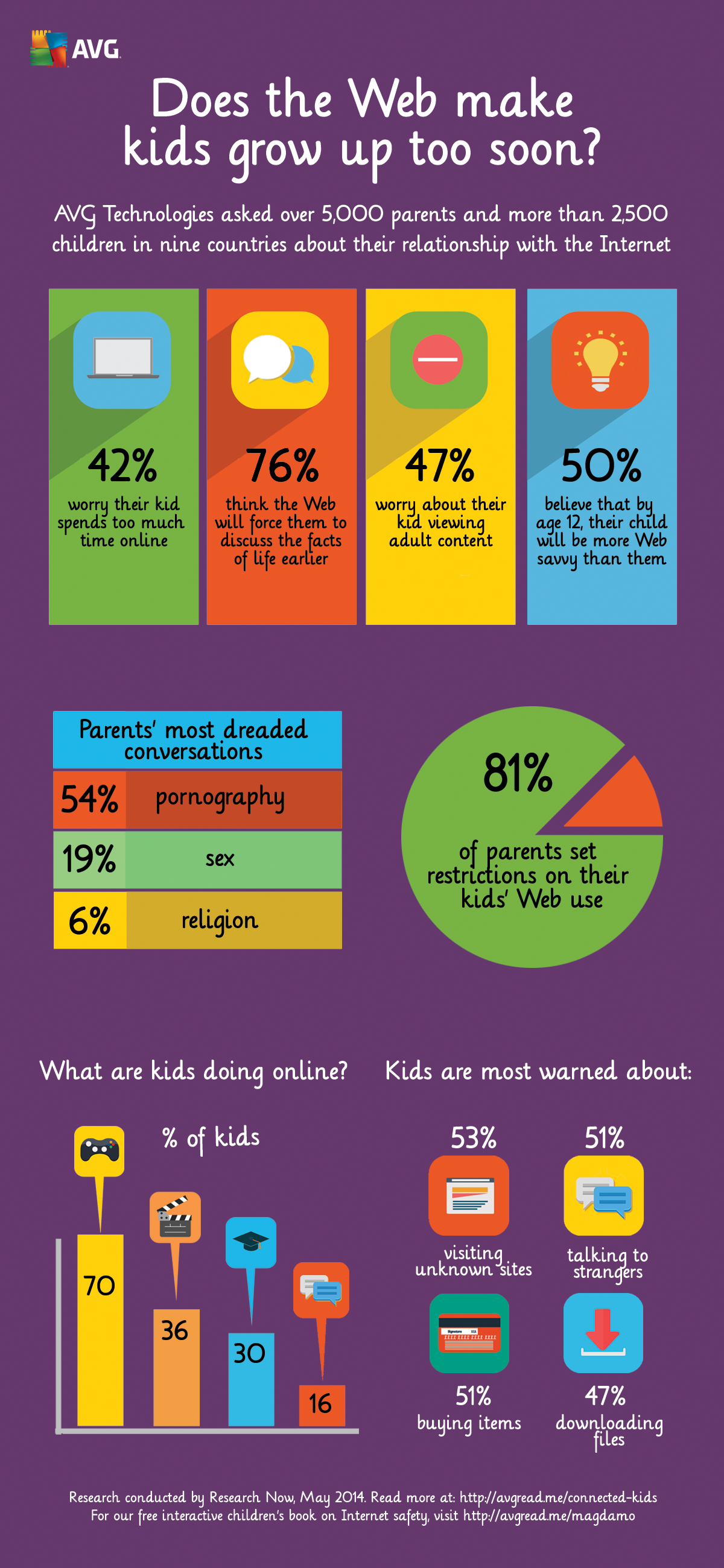
AVG Digital Diaries research last year examined how the Internet is having an impact on how quickly kids grow up. Our findings showed that children are increasingly interacting with digital devices,and 42% of the parents polled by AVG said that they are concerned that their child spends too much time on devices, and a similar number (43%) said they were worried their child didn’t spend enough time outside.

So who is responsible for the time our kids spend online? I believe that parents are, yet 42% of them say they are concerned about it.

As Safer Internet Day has just passed, I challenge the 42% in our survey last year to take charge of the technology in their homes and to correct the balance.

You might not be popular today but introducing other life skills is a good thing to do. Remember, technology is not a babysitter!

We’ve put together more statistics from the AVG Digital Diaries research in this infographic below.

Is the web forcing kids to grow up too soon?