Resolved Bugs
1214652 – wordpress: several vulnerabilities fixed in WordPress 4.1.2 [epel-all]
1214650 – wordpress: several vulnerabilities fixed in WordPress 4.1.2<br
This is a critical security release for all previous versions and we strongly encourage you to update your sites immediately.
https://wordpress.org/news/2015/04/wordpress-4-1-2/
Monthly Archives: April 2015
Fedora EPEL 7 Security Update: wordpress-4.1.2-1.el7
Resolved Bugs
1214652 – wordpress: several vulnerabilities fixed in WordPress 4.1.2 [epel-all]
1214650 – wordpress: several vulnerabilities fixed in WordPress 4.1.2<br
This is a critical security release for all previous versions and we strongly encourage you to update your sites immediately.
https://wordpress.org/news/2015/04/wordpress-4-1-2/
Fedora EPEL 5 Security Update: pdns-recursor-3.6.3-1.el5
Resolved Bugs
1213832 – CVE-2015-1868 powerdns (recursor) remote crash
1213377 – CVE-2015-1868 pdns: Label decompression bug in PowerDNS can cause crashes on specific platforms<br
– Update to 3.6.3
– CVE-2015-1868 (#1213832)
External References:
https://doc.powerdns.com/md/security/powerdns-advisory-2015-01/
Fedora EPEL 5 Security Update: wordpress-4.1.2-1.el5
Resolved Bugs
1214652 – wordpress: several vulnerabilities fixed in WordPress 4.1.2 [epel-all]
1214650 – wordpress: several vulnerabilities fixed in WordPress 4.1.2<br
This is a critical security release for all previous versions and we strongly encourage you to update your sites immediately.
https://wordpress.org/news/2015/04/wordpress-4-1-2/
Avsarsoft Matbaa Script Cross Site Scripting / Shell Upload
Avsarsoft Matbaa Script suffers from cross site scripting and remote shell upload vulnerabilities.
Pligg CMS 2.0.2 Cross Site Scripting
Pligg CMS version 2.0.2 suffers from a cross site scripting vulnerability.
Hacker could serve longer jail sentence than the rapists he exposed
A 26-year-old hacker who helped expose the rape of a teenage girl could spend five times longer in jail than the perpetrators he outed.
The post Hacker could serve longer jail sentence than the rapists he exposed appeared first on We Live Security.

WatchGuard Technologies Targets 'Time Crime' in its Newest Fireware Operating System Upgrade
WatchGuard’s Firebox M500 firewall continues streak of industry recognition for its ability to inspect encrypted traffic 149 percent faster than competing solutions


Can a plane be hacked and controlled through inflight Wi-Fi?
A number of leading publications jumped on the report and within hours, it had become a viral sensation.
Like most, when I first saw the article I had a brief moment of serious concern, especially as I travel frequently on business. On further consideration, I decided to investigate further as there is extensive regulation and compliance in the aircraft industry.
We have seen many industries struggle with security as more services move to digital and connect to the Internet of Things. One example is the medical industry where devices handle sensitive data. This article in The Atlantic gives a great summary of the points.
So based on what we’ve seen in other industries, would a vulnerability on an aircraft seem farfetched? Probably not.
However, as I mentioned, aviation is a highly regulated industry with security standards and safety at its core. It would therefore surprise me if someone left the backdoor open and the aircraft’s avionics were accessible through the Wi-Fi.
The following diagram is probably what made this report go viral.
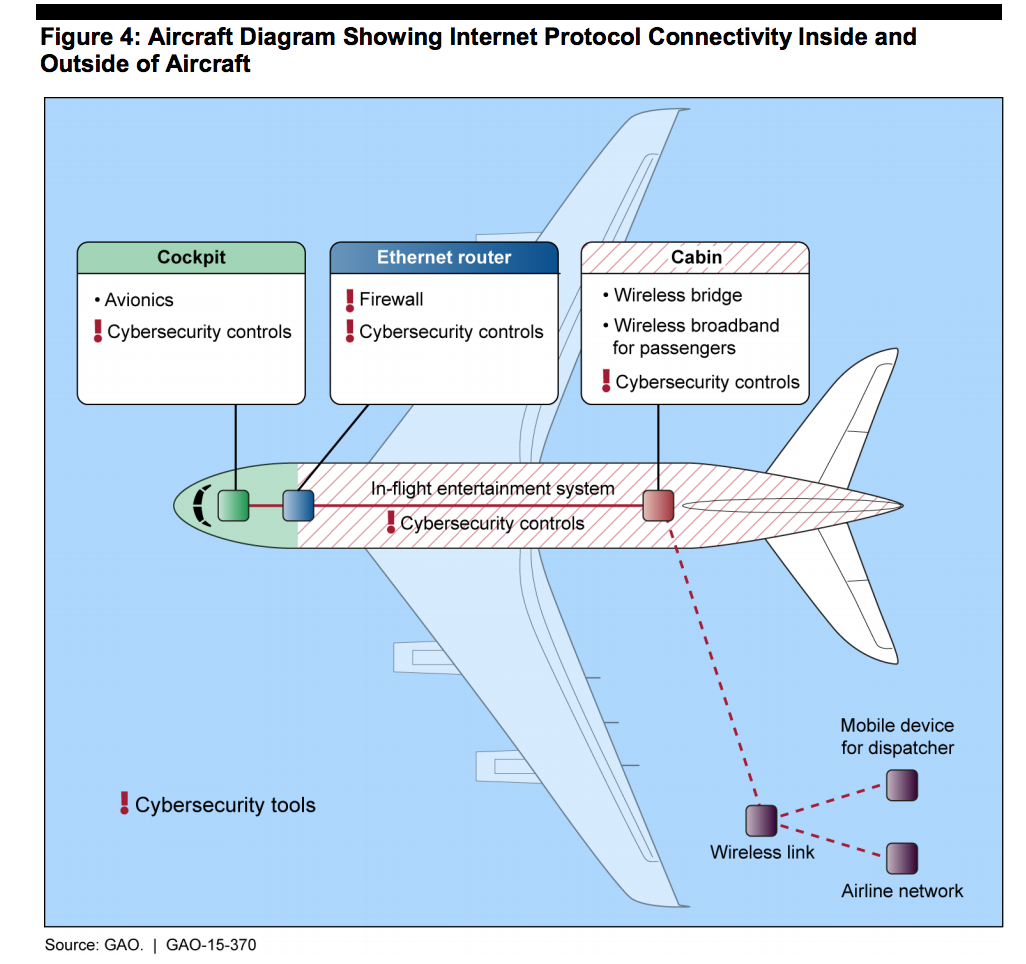
The government report and its diagram may be highlighting an area of concern but according to Dr Phil Polstra, as stated in a Forbes article ‘The GAO report was put together by people who didn’t understand how modern aircraft actually work’.
Based on Dr Polstra’s comments and his credibility as an expert in this area I think we can rest assured that the frightening nature of the article that went viral is a false alarm. The real risk here is someone publishing a report when they may not have fully understood the subject matter.
I will be getting on a plane soon and will not be concerned that the person in the seat next to me might be hacking the flight system. However, if they could adjust the temperature and lighting around my seat, that would be useful.
Follow me on twitter @tonyatavg
Title image courtesy of ArsTechnica


System Speedup for Windows: the whole story
System Speedup is one of the most appreciated Avira products, as it has improved the speed and performance of millions of devices all around the world. Its ever growing popularity among users is one of the reasons why we decided to add some new cool features for you to enjoy in our product.
What’s new in the latest version of System Speedup for Windows?
Starting this week, users will be able to free up more disk space on their computers but also improve the battery lifespan. Here are the two main updates that our team is happy to announce to all System Speedup users:
- Power profiles that enable users to select between performance mode, battery saving mode and balanced mode
- An improved junk cleaner that will help users dispose of even more free disk space on their computers
Today, battery powered devices account for more than 60% of the total number of PCs sold in the world. The new Battery Booster feature in Avira’s System Speedup is there to make sure our users never run out of battery on their portables. Besides making your device run faster, our product now stops your battery draining on things that you don’t need, so that you can use your computer longer, on things that really matter.
Rediscover what a fast PC feels like
The one-click tune-up suite is able to analyze, clean and optimize your system’s performance in just 5 minutes. The results are even more impressive than System Speedup’s efficiency. To name only a few, you’ll get rid of all the junk files and obtain more space for your important data, all the while enjoying the improved battery life of your device. We guarantee you’ll be happy to rediscover what a fast PC feels like even if it’s been several months or years since you purchased your device.
Want to enjoy the System Speedup functionality on your Android device as well? We recommend you try out Android Optimizer, the equivalent app you can download for free in Google Play.
The post System Speedup for Windows: the whole story appeared first on Avira Blog.