Category Archives: Avast

Avast

2016: The Year of Spying Microwaves and Hijacked Cars

The security stakes only seem to be rising when it comes to the threats that affect us as modern-day consumers.

What behavior could a smart appliance reveal about you?

What behavior could a smart appliance reveal about you?

Over the past year, we have seen a list of notable mobile threats that put people’s privacy at risk. Previously unseen vulnerabilities surfaced, such as Certifi-gate and Stagefright, both of which can be exploited to spy on users. Certifi-gate put approximately 50 percent of Android users at risk, and Stagefright made nearly 1 billion Android devices vulnerable to spyware. In 2015, for the first time, cybercriminals were able to attack users on a vast level.

Another mobile threat on the rise in 2015 was mobile ransomware, using asymmetric cryptography, making it nearly impossible to recover the encrypted data on a smartphone. The most common mobile threats in 2015 were adware — often apps disguised as fun gaming apps that provide little value and spam users with ads. We believe that 2016 will be the year in which we see threats moving from smartphones to smart homes — and beyond.
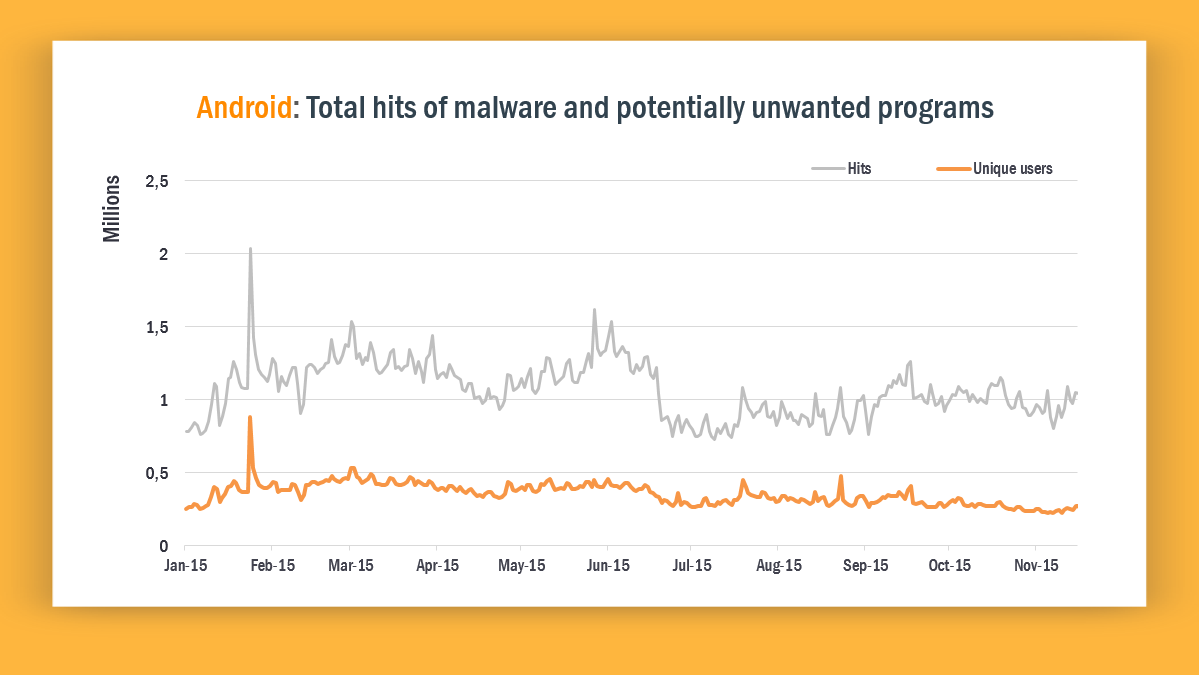
Total number of attacks on Android devices that Avast has detected in 2015

Total number of attacks on Android devices that Avast has detected in 2015


2016: Internet-connected devices will spell out your life to anyone who’s curious

In 2015, society has gotten a taste of what the future might look like with the rise of Internet-connected devices. While we’ve now become accustomed to our smartphones, the possibilities for both users and hackers are growing exponentially when it comes to gadgets and systems that comprise the budding Internet of Things (IoT).

We often forget about many of the devices that, in reality, fit into the “smart” category. Smart devices and gadgets can include anything from thermostats to microwaves, smart locks to smoke detectors to children’s toys. Since we make use of these gadgets in our daily tasks and endeavors, an attack on their security could result in dire threats to our privacy and security.

Smart devices, such as household appliances, cars and wearables are basically our life companions. Unlike a smartphone, which holds information about our communications, contacts, photos and videos, smart devices reveal more specific information about our behavior, such as our driving, fitness, and cooking habits, or our children’s learning behavior.

This provides optimal opportunities for hackers to target personal data, including information collected by wearable, Internet-connected devices. What’s more, this data can be used by governments for law enforcement purposes and for businesses, like insurance companies, to restrict payments or medical procedures from people who may have previously made unwise financial or health-related decisions. This year, we could see the first country enact a law that would give certain industries authorization to exploit consumer data through information collected by smart devices.

Ransomware that could turn your devices against you

We already know how dangerous ransomware can be — this aggressive malware family locks individuals out of their devices and renders them useless, leaving users with little choice other than to pay a specified amount of money demanded by hackers in order to regain access to their device. On a smartphone, a factory reset helps to remove the ransomware, and if the user has conducted a backup, the harm is minor. However, if and when ransomware makes its way into the IoT sphere, we must be prepared in order to prevent our own devices from being manipulated and turning against us.

But 2016 could be the year when we witness our first serious car hack. This year, Land Rover has recalled 65,000 cars from the market because of a software bug that could lead to car theft. Taking this point a step further, imagine if your car’s software actually locked you out of your primary mode of transportation. What lengths would you go to if your personal security system locked you out of your own home? There’s a good chance that these issues will need to be dealt with as we move into the heyday of IoT.

Kids’ safety: toys that put children’s privacy at risk

Now, people should think twice before buying their children the newest trinket that they see in the window — while seemingly harmless, children’s toys can be wolves in sheep’s clothing when it comes to security. This can be seen in the recent VTech scandal, around the toy manufacturer of network-enabled learning toys that stored email addresses, physical addresses, passwords, as well as names and birth dates of more than 6 million children without proper protection measures. Another example is the Internet-connected Hello Barbie doll that was vulnerable to hackers who could spy on children talking to their dolls.

These two examples could be the start of an uprising in hacks in 2016 that jeopardize kids’ privacy. No longer are parents the only ones taking photos of their children — with smart kids’ devices storing photo and video footage, leaked files could easily make their way into the wrong hands. These files are then sent to servers, and often, it remains unclear what happens to these files, how they are secured and whether or not they are shared with third parties.

Children’s toys even have the ability to potentially affect a child’s success later in life — if schools choose to examine data supplied and exploited by Internet-connected educational toys, admittance processes could change, resulting in children’s lives being directly affected.

New year, new threats on the horizon

When it comes to dealing with security threats in 2016, the rule of thumb is this: Consumers should always stay one large step ahead of their smart devices. As these gadgets continue to obtain more capabilities and gather more of our information, it’s important that we retain our common sense when managing our security and personal privacy. Making use of security solutions on both computers and mobile devices is a reliable way to ensure that consumers remain in control of what belongs to them. While staying protected, we can confidently look forward to what’s in store as the new year continues to unfold.

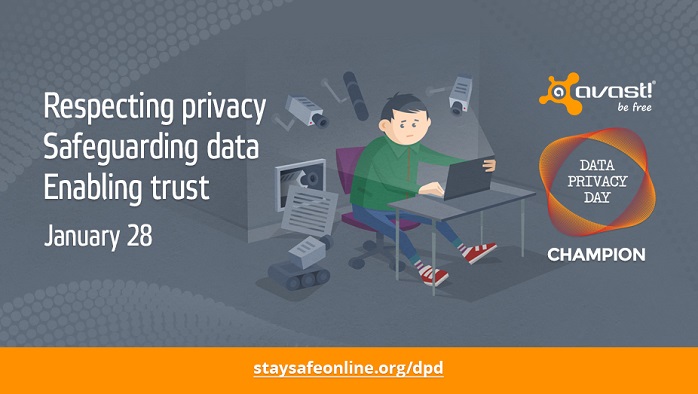
 

What you share online may be revealed to others

Every year we celebrate Data Privacy Day by thinking about what we post online, what methods we use to connect, and the security of the devices we use.

Data Privacy Day

Data Privacy Day  (DPD) is an international effort held annually on January 28 to create awareness about the importance of privacy and protecting personal information. Avast knows that security these days means more than protection against viruses. Online threats put your security and personal data at risk. You not only have to protect your desktop PC, but also your mobile devices. Your privacy can be violated by the apps you use, and bad guys can even invade your home through your home router.  

Fortunately, these threats can be managed when you take the advice of Data Privacy Day: 

STOP. THINK. CONNECT.

Here’s some tips and solutions from Avast to help you manage all the privacy needs on your devices.

Share with care

Think about the consequences of what you post online, especially in social networks. Think about what others could learn about you and who might see your posts in the future ‒ teachers, parents, colleges, and potential employers.

career ending

What you post can last a lifetime, so choose wisely what you share publicly.


Own your online presence: Set the privacy and security settings on web services and devices to your comfort level for information sharing. It’s ok to limit how and with whom you share information.

Want to view or change your privacy/security settings, but don’t know where to find them? Use the direct links gathered for DPD to update your privacy settings on popular devices and online services.

Stay CyberAware while on the go

Don’t count on public Wi-Fi networks and hotspots to be safe; anyone could potentially see what you are doing on your mobile device while you are connected. Avast Wi-Fi Finder locates safe and reliable connections in your area.

If no secured networks are to be found, then you can connect using Avast’s virtual private network (VPN) app called Avast SecureLine VPN. It encrypts your connect to prevent hackers from stealing your data via public/open Wi-Fi hotspot networks.

Personal information is like money. Value it. Protect it.

Protect your PC or Mac. Bank account numbers, passwords, photos, messages and emails – all of them need some form of protection to stay out of the wrong hands. One of the easiest steps to take is to get strong protection like Avast Antivirus. Avast does what you would expect – detects and blocks viruses and malware, but it has a unique feature called Home Network Security which strengthens your home network by scanning your home router for vulnerabilities.

Protect your mobile devices. Much of your life is on your mobile devices – banking information, private messages, and photos. Protect all your data with Avast Mobile Security, free from Google Play.

Protect your passwords. The best tip: Avoid using easy-to-crack passwords like 123456 or password. We know when you have an average of 19 passwords to remember that that advice can be a bit difficult. Avast Passwords  for PC, iOS, and Android automatically generates extremely strong passwords that you don’t have to struggle to remember! All you do is set and remember one master password to access all your passwords across your devices.

Data Privacy Day might be celebrated on January 28, but the principles need to be practiced everyday so you can make sure your privacy is protected around-the-clock. Here at Avast, we strive to give you the tools to do that. Please share these tips and Avast solutions with the important people in your life.


Avast for Business makes life easy for IT professionals

Businesses and organizations use Avast for Business, the security solution that’s easy to deploy and manage (and free!).

Business sectors such as education, retail, healthcare, IT consulting firms love and use Avast business security solutions for their ease-of-use and effectiveness against threats. In less than a year, more than one million devices have been secured by our cloud-managed security solution.  A reason for its success is because many businesses, schools, and other organizations lack the IT resources to install costly and complex security solutions.

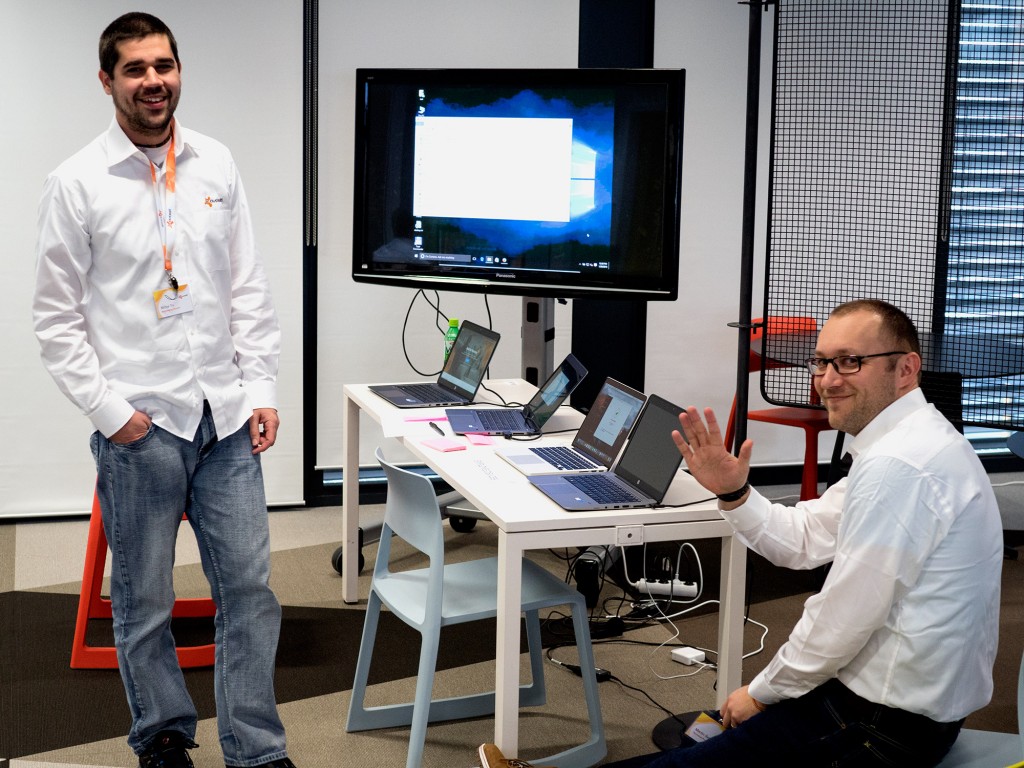
At our recent Avast Grand Opening gala event, a team of Avastians demonstrated how even the most IT-challenged staff can easily deploy Avast for Business to manage PCs, Macs, and servers from a central console and easily set up different levels of protection.

Michal Trs and Martin Svoboda present Avast for Business at the Grand Opening gala event.

Michal Trs and Martin Svoboda present Avast for Business at the Grand Opening gala event.

Once the team had demonstrated how to deploy an account, they then showed what happens in the nightmare scenario of an infection running wild in a company network. In the simulation, a threat detection was emailed to the central console, where the team’s acting IT professional was able to view and manage potential threats on all employee devices protected by Avast for Business.

The best part? Everything from deploying the program to managing it on employee devices can be done from the comfort of an IT professional’s own office chair. Sign up for an Avast for Business account on on our website.


Follow Avast on FacebookTwitterYouTube, and Google+ where we keep you updated on cybersecurity news every day.

AV-TEST rates Avast Free Antivirus 2016 as a top security product for Windows Home Users

Avast Free Antivirus 2016 obtained highly positive ratings in AV-TEST's recent Product Review.

Avast Free Antivirus 2016 obtained highly positive ratings in AV-TEST’s recent Product Review.

AV-TEST, the leading and worldwide operating service provider for IT security testing services, has recently revealed the results of their Product Review and Certification Report for November-December 2015. AV-TEST describes the details of the review on their website:

. . .we continuously evaluated 20 home user security products using their default settings. We always used the most current publicly-available version of all products for the testing. They were allowed to update themselves at any time and query their in-the-cloud services. We focused on realistic test scenarios and challenged the products against real-world threats. Products had to demonstrate their capabilities using all components and protection layers.


Avast passes the AV-TEST Product Review with flying colors

Avast Free Antivirus 2016 obtained five out a maximum six points in performance and all six points in both protection and usability tests. In AV-TEST’s review, the product was tested on Windows 8.1 Professional (64 bit).

The performance test measures the average influence of the product on a computer’s speed in daily usage. The Protection test consists of real-world testing methods against zero-day malware attacks, inclusive of web and email threats. Lastly, the Usability test examines the impact of security software on the usability of a user’s entire computer.

Our website includes further information, as well as download links, to all Avast 2016 products. Check them out online.


Follow Avast on FacebookTwitterYouTube, and Google+ where we keep you updated on cybersecurity news every day.

Avast’s new Prague headquarters is set to attract the most talented people

Avast's new headquarters are located in Prague's Enterprise Office Center.

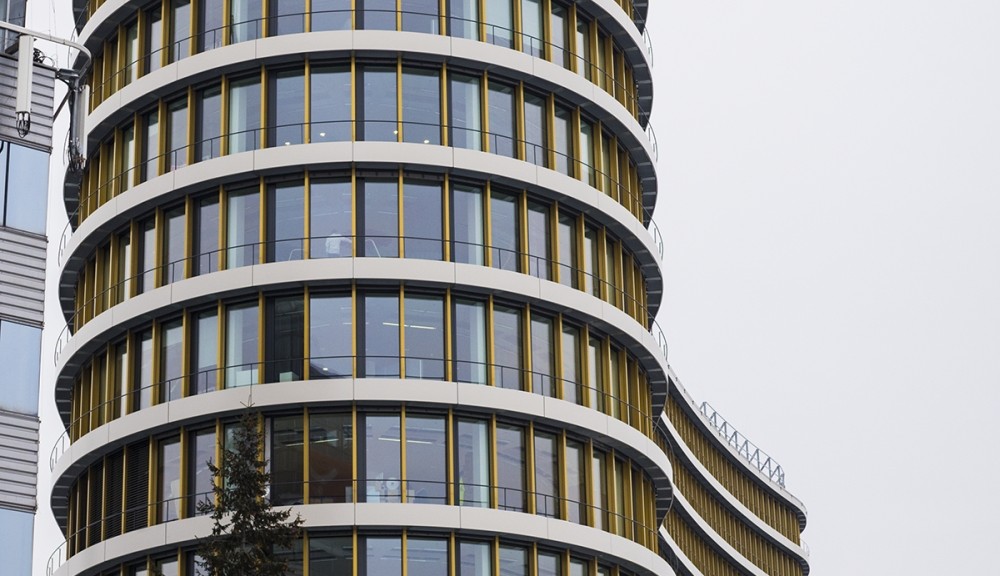
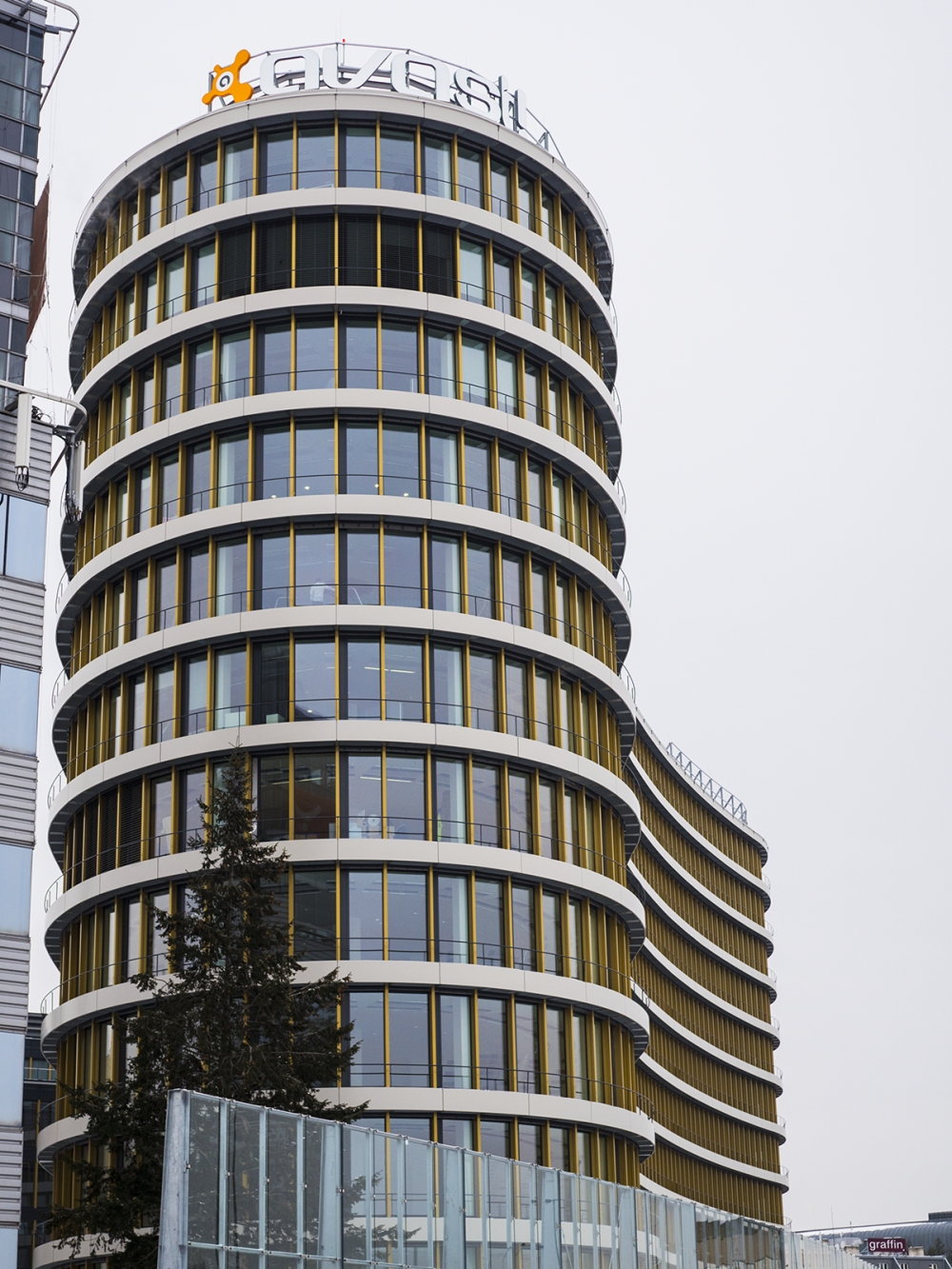
Avast’s new headquarters are located in Prague’s Enterprise Office Center.

The opening of Avast’s beautiful new headquarters, Prague’s Enterprise Office Building, is a pretty good cause for celebration. At last night’s Grand Opening event, a few of our executive team members shed light on the moving process, as well as specific details about the building and its potential to open new doors for the company. Avast COO Ondrej Vlcek described the initial concept behind the building:

We modeled the design after some very successful Silicon Valley companies and are bringing that entrepreneurial spirit and drive for excellence to the team.

The building has an impressive collection of features:

  • 45 meeting rooms that provide both formal and relaxed environments.
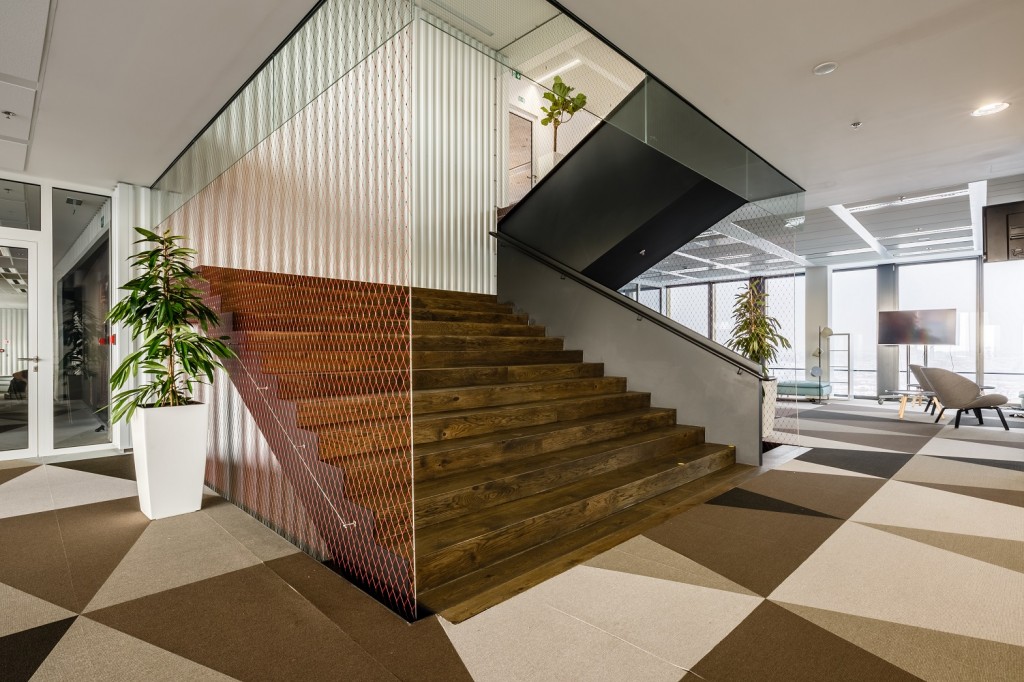
  • 6-meter-wide stairs thoughout all six floors that serve as a meeting spot for employees.
  • A canteen with free food served daily from the morning until late afternoon. This supports informal contact between groups that traditionally wouldn‘t have lunch together as well as increased cross-departmental communication.
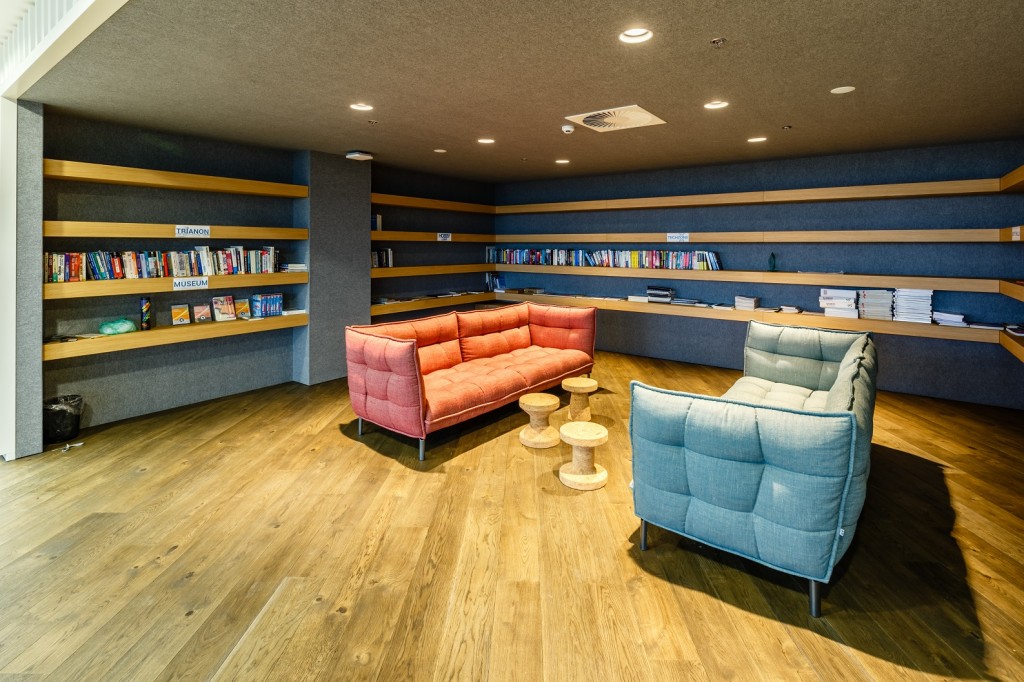
  • A fitness area, hammock room, pool tables, cinema, and library for enrichment and relaxation.
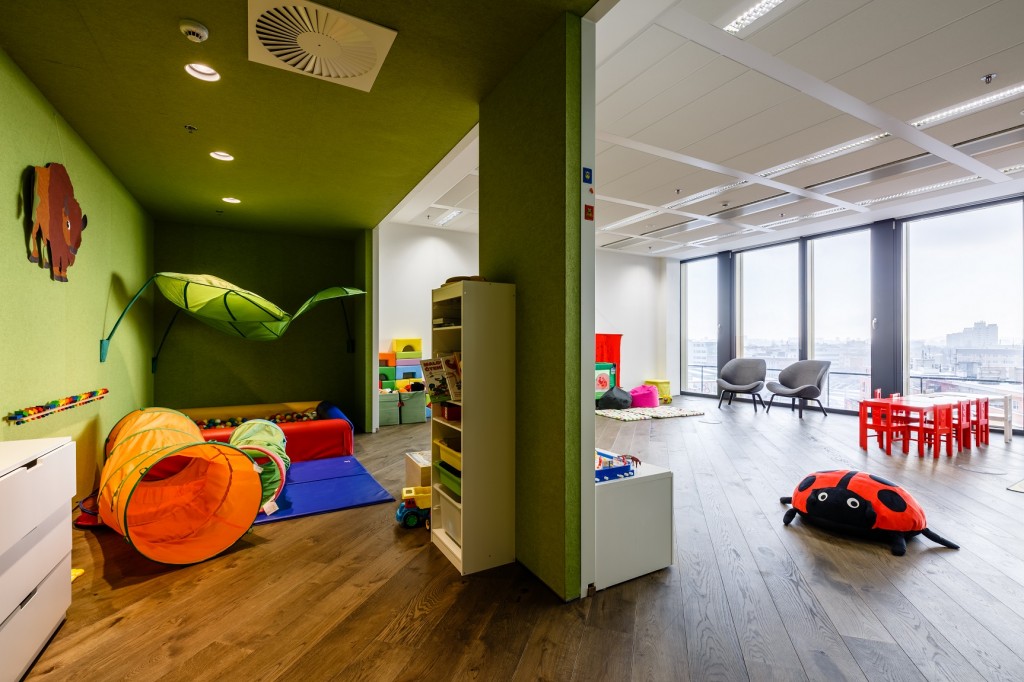
  • A children‘s room that works to support (and lend a hand to) each of our working parents.


It’s not hard to believe that such a spectacular working space draws in top-notch talent from across the globe to work at Avast. Current Avast employees also have a lot of positive things to say about our new workspace:

When I saw our canteen, I couldn’t believe it. So many varieties of food, from healthy light salads to breakfasts of champions. — Tomas Penka (eComm Specialist)

It’s fresh and unique, and it provides an atmosphere that invites creativity. – Che Johnson (Corporate Tech Support)

The central staircase impels employees to make use of it and walk more, which has been a healthy surprise. – Petr Prusa (QA Engineer)

Moving into the new year, we’re looking forward to thriving in our new building and seizing the opportunity to demonstrate how we work to keep people around the world safe every day.


Follow Avast on FacebookTwitterYouTube, and Google+ where we keep you updated on cybersecurity news every day.

Avast opens its new headquarters with a gala event

Avast Building exterior

New Avast headquarters

Avast Software celebrates moving into a beautiful Silicon Valley-style work place.

The grand opening of the new Avast headquarters, held in Prague on Thursday night, was a gala event for employees, friends of Avast, international journalists, his excellence Andrew H. Schapiro U.S. Ambassador to the Czech Republic, Chairman of the Board John Schwarz, our two co-founders, and other honored guests.

Opening the event on a stage set up in the expansive lobby of the new building, CEO Vincent Steckler summarized his last 7 years with the company. When he started, Avast was still a start-up in many ways with only 3 products, 40 employees, and occupying a modest building. There was no board of directors or proper company structure in place.

Since Mr. Steckler took the helm of the company, Avast has become a global force in security software and delivered award-winning products to consumers, small businesses, and enterprise.

“We are extremely proud of how far we have come,” said Steckler. “Avast is on more computers than any other security software, and we are just getting started.”

Avast lobby

Guests gather in the lobby as the Avast Grand Opening begins

Looking towards the future, Steckler said to a rapt audience, “The Internet of Things has led to an entire new era of security concerns, which Avast is well-poised to address for our customers.”

Avast’s presence in the U.S. is growing

Ambassador Shapiro described the success of Avast in Czech Republic and beyond its borders. He said, “Avast has been extremely successful here, but what you might not know is that Avast is also the most successful tech company from the Czech Republic in the U.S.”

He spoke about Avast’s growing presence in Silicon Valley which will attract new talent and accelerate its growth stateside.

“Currently there are more than 15 million Avast customers in the U.S. and there is still an enormous opportunity,” said Ambassador Shapiro. “Tech will continue to connect us as we discover new ways to help our citizens, and make the world a safer place.”

Grandmaster Garry Kasparov challenges 11 players at once

Garry Kasparov chess challenge

Chess Grandmaster Garry Kasparov plays 11 challengers at once

Former World Chess Champion Garry Kasparov was Avast’s special guest for the evening. The highlight of his visit for gala guests was watching him play against 11 opponents simultaneously. Five lucky Avast employees and 6 guests were chosen to be the Grandmaster’s opponents. It took Kasparov less than one hour to decidedly defeat each of the star-struck opponents, however no players were beat in less than 20 moves.

Guest player Alex Barrasso, five-time winner of the U.S. Championship for Blind Players, said, “For any chess player – whether you’re a casual player or a serious player – just to get the opportunity to sit across the board from someone like him, who is perhaps the greatest player ever to live, is an honor.”

Guests treated to behind-the-scenes tours and demonstrations

Beside the 6 meter wide staircase that connects the floors of Avast, experts from different areas set up demonstrations and hands-on activities for guests. Avast for Business showed how simple it is for SMB’s with limited resources to use our free, cloud-managed security product to protect their devices and customer data. Avast Mobile Security analysts set up a café scenario and showed guests what a hacker could see on unsecure Wi-Fi hotspots and how connecting with Avast SecureLine VPN can keep you save.

The showstopper of the evening was the Avast Virus Lab. The new monitoring wall shows attacks against Avast users happening in real-time and how many threats are blocked by Avast. In the last 30 days, as Virus Lab Analyst Michal Salat explains, Avast blocked 1.590 billion attacks against our users.

Virus lab Monitoring Wall

Michal Salat explains the Avast Virus Lab monitoring wall

Party on the 7th floor

Avast party food

The talented chefs of the Avast canteen prepared delicious treats for the guests

After the building tours, demos, and chess challenge, the party began. The food was plenty and delicious, and the drinks flowed until the wee hours of the night.

The 7th floor is the fun floor, complete with canteen, recording studio, cinema, video arcade, and a quiet area with the library and hammocks for a quick power nap. No napping was going on this time, as partiers mixed and mingled to the sounds of a DJ spinning the sounds and constant conversation.

The Avast Grand Opening was a great way to inaugurate our new beautiful headquarters. For more pictures, please visit the Avast Facebook gallery.


AV-Comparatives report: Avast takes the gold for Overall Performance

Avast was awarded the title of Top Rated Product for 2015 by AV-Comparatives.

Avast was awarded the title of Top Rated Product for 2015 by AV-Comparatives.

Recently, AV-Comparatives released their 2015 Summary Report, an important resource for anyone who is interested in security solutions and antivirus software. Avast had a few exciting wins in this year’s report, which we plan to build upon as we continue moving forward into 2016.

Firstly, Avast was awarded the title of Top Rated Product for 2015 by AV-Comparatives. In their report, AV-Comparatives writes:

“Avast is a Top Rated Product this year, receiving five Advanced+ awards in the course of the year, including both Real-World Protection Tests. . . We feel its scan-results dialog box is equally well suited to expert and non-expert users.“

In addition to being a Top Rated Product, Avast also won the Gold Award for AV-Comparatives‘ Overall Performance Test, as well as a Silver Award for the Malware Removal Test.

In describing their Overall Performance test, AV-Comparatives adds that Avast demonstrates a significantly lower impact on system performance than that of other products. This means that Avast doesn’t disturb you while you browse, work or play on your PC.

How to make your PC’s performance the best it can be

If you’re experiencing a sluggish computer, there’s several things you can do to improve your system’s performance.

  • Make sure your software is up to date. The most up-to-date software contains fixes and patches that makes it run at its best. Avast 2016 products have enhanced features and the highest detection rates to protect your computer from malicious attacks. Software Updater is a feature in Avast 2016 that helps you ensure that your programs are up to date.
  • Old hardware. If you try to install modern software onto your old computer, it could start running at a snail’s pace, because the hardware simply is not capable of running the software. Ideally, buying a new PC with a multi-core processor is the best solution. However if your budget does not include a new computer, then you could add more RAM.
  • Stick to one security program. It’s not advised to run more than one security program with real-time protection at a time. Please uninstall any trial software that came with your PC before installing different protection. You can find a list and instructions to remove here. We recommend that you follow the vendor’s instructions before proceeding with the uninstallation.

Follow Avast on FacebookTwitterYouTube, and Google+ where we keep you updated on cybersecurity news every day.

Privacy on the Internet: There is no such thing as a free lunch

This is a reprint of The elusive “P” which appeared in the January 2016 issue of Indian Management.

Indian Management Privacy

There is no such thing as a free lunch, truly.

As we increasingly traverse the virtual realm, we are putting at stake a crucial aspect—our much-treasured privacy.

There is not a lot of privacy on the Internet today. Every place you go – websites, social networks, apps – all know your IP address and where you are located, which they can correlate with your demographics, age, gender, and the websites that you visit. Social networks can even tell advertisers what your political leanings are and which religion you practice, and the Internet knows which books you read, which cosmetics you use, and whether or not you are pregnant, getting married or divorced. At the end of the day, search engine companies and Internet Service Providers know everything about you. With the up-rise of the Internet of Things, Internet-connected devices can dig even deeper into our lives. Our cars remember when we drove where, how fast we went, and what music we were listening to, while our smart watch can tell us more about our health than our doctors can. Privacy is a thing of the past.

A trade-off between convenience and privacy

In our day-to-day usage of the Internet, each of us are either making a conscious or unconscious trade-off between convenience and privacy.

One example of this can be seen in Gmail, the hugely popular email service used by nearly one billion people around the world. Most people will, but others might not recognize that they receive advertisements which are somewhat related to the subject of their emails. This is due to the fact that the subjects of a user’s emails are sent to various advertising engines to come up with relevant content to serve back to the Gmail user. For someone who sent an email with ‘vacation’ in the subject line, this may result in the user receiving ads with flight offers during the following days.

As a consumer searching for different things on the Internet, you are likely making the connection that advertisements that you see are based on the searches you have recently made. This is the result of targeted advertisements, which can simultaneously provide true value and can also cause problems or be embarrassing. For example, if a family shares one computer, certain family members may not want their parents or children knowing about their search history. This becomes difficult to avoid with targeted ads, since the ads displayed are related to search items that were originally intended to be confidential.

Taking this a step further, we also need to start thinking about the advancement of our smart devices. One big enabler of privacy violations is geographic tracking embedded in everyone’s devices — from our smartphones to our cars. As geotracking becomes an everyday feature in cars, people can effortlessly follow their spouse or child while they are driving, keeping track of their speed, location and driving habits. While this could potentially encourage safe driving, it could also have negative effects on those who don’t want to be surveilled. What’s more, the data collected by a car could be sold to insurance companies that will refuse payment in the case that an accident was caused by speeding.

For the most part, people may understand the risks that come along with the development of smart devices. However, when feeding companies with mass amounts of data collected by these devices, users continue to make a conscious trade-off that results in the loss of their personal privacy.

Free software and the lure of fast click-through agreements

One of the reasons why people so easily and willingly give up their privacy is that most of the software they download comes with no price tag attached to it. Back in the 90s, software was sold in stores and was fairly expensive for the average consumer. Now that the majority of software is downloaded online and is distributed largely free of charge, the products come with a price tag of a different kind — the infringement on consumers’ privacy and security. This issue is heightened by the fact that many people don’t take the time to read through their software’s click-through agreements.

The real question is this: What does a user receive in exchange for giving up their privacy? Additionally, are they willing to lose the convenience that software and apps provide if they want to keep their privacy intact?

Certain services of trusted companies can serve very useful purposes, such as free email services, search, text messaging, social networking, health monitoring, or child safety; and targeted advertising by social networks, search engines and other web services is not seen as risky. The more an app or web service knows about you, such as your location, your interests, your contacts, the better they can target you. Some people prefer seeing targeted ads, as the ads displayed become increasingly relevant for them, while others find targeted advertising to be, to a certain extent, an invasion of privacy.

The only way to completely prevent being spied on in today’s day and age would be to not use the Internet nor smart devices and free services that access sensitive data in order to target ads.

There are, however, tools in the market, like browser-add-ons that provide consumers with information on web interactions with social media sites, advertising networks that share data, and the analytics used to improve a website. Clever technology can identify these from either cookies or programming code that is embedded in the website. There are also apps for mobile users helping them understand which data apps can access and which ad networks they serve.

A joint effort needed between industry and politics

Although there are solutions available, it cannot be solely the consumer’s burden to determine how to navigate the trade-off between privacy and convenience. It’s not possible for users to stay 100% informed about what happens to their data, as most companies simply don’t communicate these things to their customer base. To combat this issue, companies should focus on increasing their transparency, making their privacy agreements easy to the average user to understand, and putting significant effort into educating their customers. Politicians will also need to determine just how far companies can legally go with the collection and distribution of user data.

Small and midsize businesses are targeted most often by hackers

“SMBs are not just targets of cybercrime, they are its principal target”

says a U.S. Security and Exchange Commission report from last fall. In fact, the majority of all targeted cyberattacks last year were directed at SMBs.

The New York Times, in its article No Business Too Small to Be Hacked, said that 60% of all online attacks in 2014 targeted small and mid-sized businesses. Of those attacked, more than half (60%) would go out of business within 6 months of a data breach. That’s a lot of broken dreams and heart ache because of a lack of security.

Avast for Business autoshop

Small and mid-sized businesses use Avast for Business to protect from cyberthreats.

Small businesses lack IT expertise and budget

SMBs make attractive targets because they often neglect their security or rely on older consumer security software for protection. Money is always an issue, and sometimes the budget doesn’t allow for an expensive security package.

Just recently, our free, cloud-managed security solution, Avast for Business, passed a milestone – more than 1 million endpoints protected in less than a year. From our relationship with IT admins in sectors as diverse as Education, Non-profits, Retail, IT consulting firms, and SMBs, we have learned that many organizations lack in-house expertise or resources to install costly and complex security solutions.

“All we wanted was a simple security solution that worked, and I knew we didn’t have to pay a fortune for it,” said Tyler Hisel, an IT technician in Ohio.  “Avast was cost saving and had lots of features that I was surprised came free,” he said, “I’ve got to hand it to you, it’s really an impressive product and it being free just makes it better.

How to protect your organization from cyberattacks

  • Install Avast for Business to protect your PCs, Macs, and servers from hackers and data breaches. Avast for Business is easy to deploy and monitor. Our customers tell us that even IT-challenged staff have no issues using our security solution.
  • Create strong passwords. This is an easy piece of advice that many small business people fail to take. We understand that using passwords which are 20 characters with a mix of capital letters, numbers, and symbols is challenging to manage. That’s why Avast has created Avast Passwords, a free password management system which creates strong, unique passwords for each of your accounts. It’s free in all Avast Antivirus programs, and synchronizes across your devices.
  • Train your employees. Many hacks originate from employees clicking on malicious links or websites. Explain the concept of social engineering to your employees, what the most recent methods of attacks are, and the latest malware threats. Follow this blog or Avast on Facebook or Twitter to stay informed.

Avast for Business is available for every business worldwide

Avast for Business is free for every organization worldwide. Visit Avast for Business to learn more and sign up.

Avast for Business: Zero to One Million endpoints protected in less than a year

Avast for Business takes off


Since the launch of Avast for Business, a free, cloud-managed security solution, in February 2015, organizations worldwide have deployed it to protect more than one million PCs, Macs, and servers from cyberattacks and data breaches.

Avast for Business is successful across diverse sectors

Avast for Business is extremely popular with Education, Non-profits, Retail, Healthcare, IT consulting firms, and small business because many organizations lack the IT resources to install costly and complex security solutions. Avast for Business is easily scalable and managed from anywhere. Additionally, Avast for Business starts at a price everyone can afford: Free, making it a natural fit for organizations worldwide.

Education IT admins value easy deployment, management, and the free cost

The sector that has embraced Avast for Business whole-heartedly is Education. IT administrators from universities, school districts, private and charter schools, libraries, and museums all tell us that ease of deployment and management is at the top of their security solution wish list. The fact that it’s also free makes it an easy decision.

Avast for Business is so easy to deploy and monitor, it’s made the administration of our network much smoother,” said Jothan Virgil, an IT Administrator at Alabama State University. The university has a large network managed by multiple IT professionals, with over 1,000 faculty and staff members and more than 5,600 students. Avast for Business now protects all of them from one console.

We had AVG before switching to Avast and we really needed to simplify our security solution,” said Tyler Hisel, an IT technician with the Chillicothe City School District in Ohio. He needed software with easy-to-use centralized management where he could monitor the district’s devices. “All we wanted was a simple security solution that worked, and I knew we didn’t have to pay a fortune for it,” he said, “Avast was cost saving and had lots of features that I was surprised came free,” said Tyler. “I’ve got to hand it to you, it’s really an impressive product and it being free just makes it better.

Non-profits value ease-of-use and the free cost

Monitoring their budget is a priority for non-profits. Avast for Business is free and compared to other antivirus solutions, the optional support costs are nominal. Michael Hensley, Information and Facilities Officer at NeighborImpact, a non-profit human-services agency in central Oregon switched from BitDefender because of the costs.

The savings on software were extremely helpful in budgeting for our hardware upgrade. The extra money allowed us to get hardware in a different category than we otherwise would have been able to afford,” he said.

Hensley’s staff is not tech-savvy, which contributed to significant security issues in the past.

“The fact that [Avast for Business] is cloud-managed is the primary feature that we needed. We have offices and classrooms distributed throughout the area. We are able to monitor all of our computers from the web-console which has shown consistent improvement.”

SMBs and MSPs value prevention, support, and the free cost

Many businesses have budgeted for security, so free software isn’t the priority, but it certainly doesn’t hurt. Scott Quinn from Montana-based Caritas Design, a small husband and wife web-design firm said, “Any savings are huge for us.”

Despite the huge savings, the primary need is simple managementfrom a solution designedto keep our clients and servers in a secure environment,” said Levent Silay, of Login Business Solutions, a Managed Service Provider in Istanbul, Turkey. The advantages of Avast’s cloud-managed business security according to Silay are “the quick and easy installation, the monitoring screen that helps in the visualization of all the computers on the network, the online management that can be utilized from anywhere, and the fact that it’s simple and there is no need for training.

When managing your own business or multiple clients, quick support is essential. Quinn says, “Their support has been amazing on the rare occasions I’ve needed to utilize them. I would, and will, recommend Avast for Business to everyone I encounter.”

Avast for Business is available for every business worldwide

Avast for Business is free for every organization worldwide. Visit Avast for Business to learn more and sign up.