Category Archives: AVG

AVG

Improve your smartphone battery life with smart profiles

We’ve just released a new update to our AVG Cleaner for Android PRO.

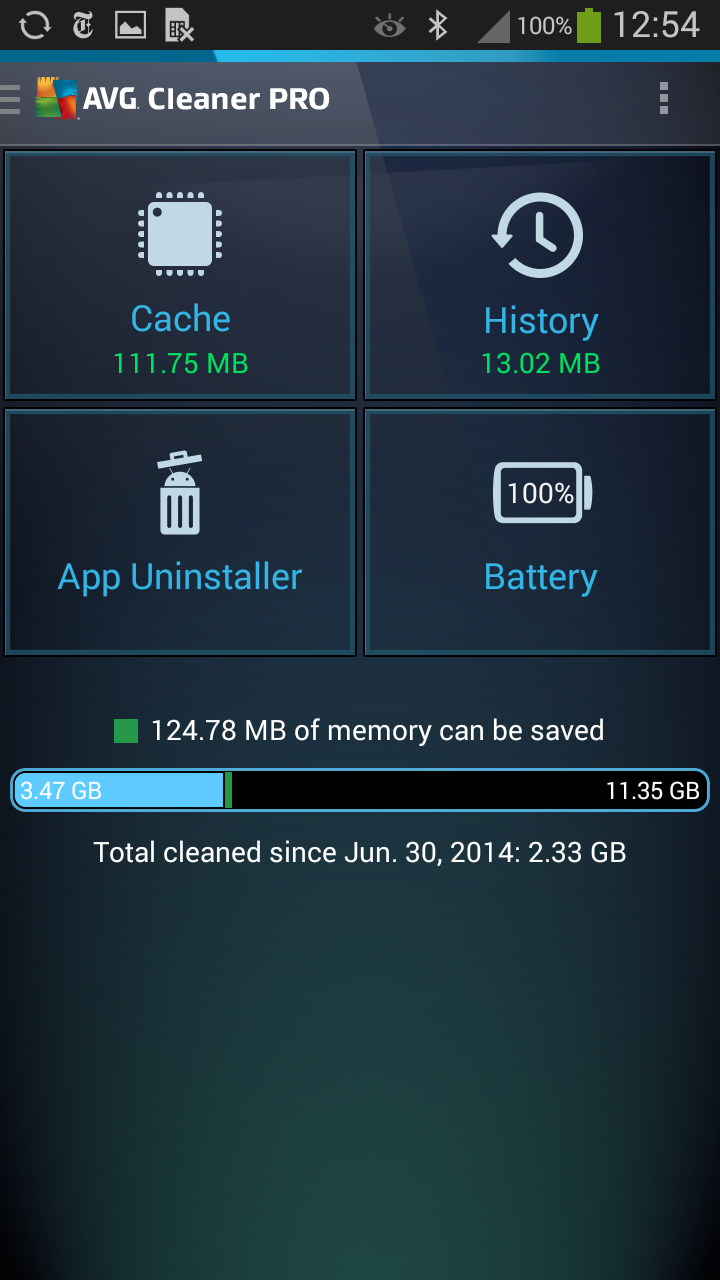
In version 2.2.1 we’ve tweaked one of your favorite features, Battery Profiles, and now support Android L to help you clean up, speed up and especially boost battery life even better than before and on all the bleeding-edge devices out there.
 

So what’s new?

Despite that it started out as a cleaning app, we’ve made it a super-powerful tool to help you speed up and boost the battery life of your Android and even tell which apps drain your devices mobile data traffic, battery and storage. We’ve continued this tradition in our latest update even more.


Smarter Battery Savings with Battery Profiles

First and foremost, for the folks who love to improve battery life manually, we added a new button called “Choose Manual Settings” which puts you in charge of what features and built-in devices of your Android can drain your battery, such as Wi-Fi, Bluetooth, Mobile Data or the automatic synchronization of your files:
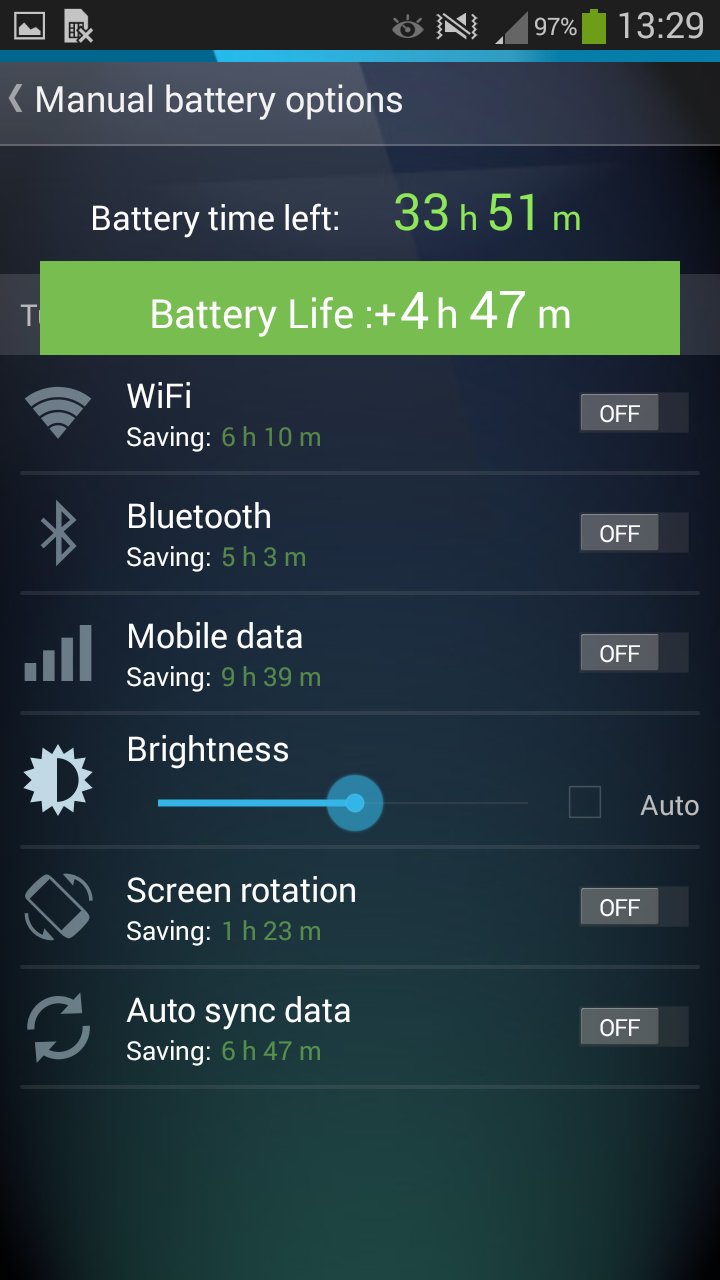
As you can see, we’ve also added new “On/Off” buttons to make it more clear what’s enabled and what’s not – the green indicator now shows you exactly how much battery life you can save with each tweak.

Plus, there’s a new profile called “Low Battery” which is available in the PRO version and kicks in when battery life hits a certain threshold, such as “20%” (you have to run it once and then set it up):
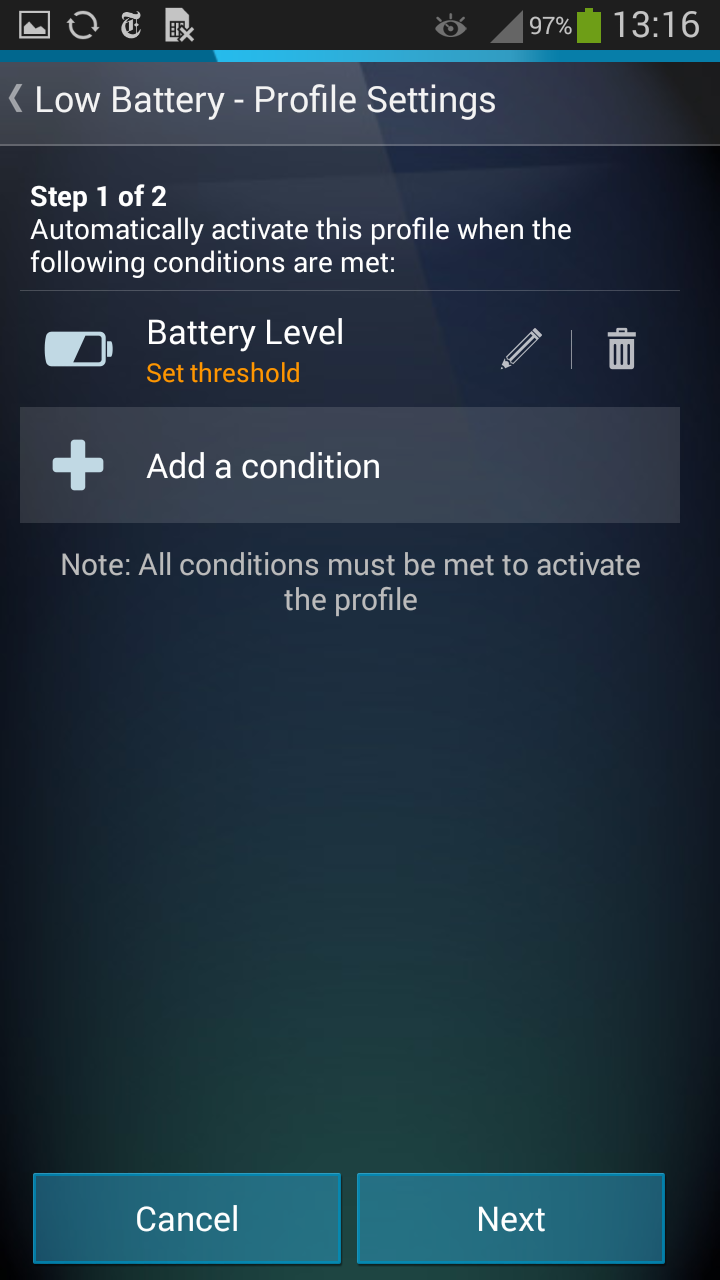
That’s super important when you’re nowhere near a power outlet and the phone is running on fumes. It saved my digital life more than once…

Overall, we’ve also made the “Profiles” easier to set up. Once you select a profile for the first time, such as “Car” (for when you’re on the road), we’ll walk you through what conditions and settings you can set up. In the example of car, I set it up so that AVG Cleaner for Android always disables Wi-Fi, auto-sync, screen rotation and screen time-out whenever it’s connected to the Bluetooth of my car:
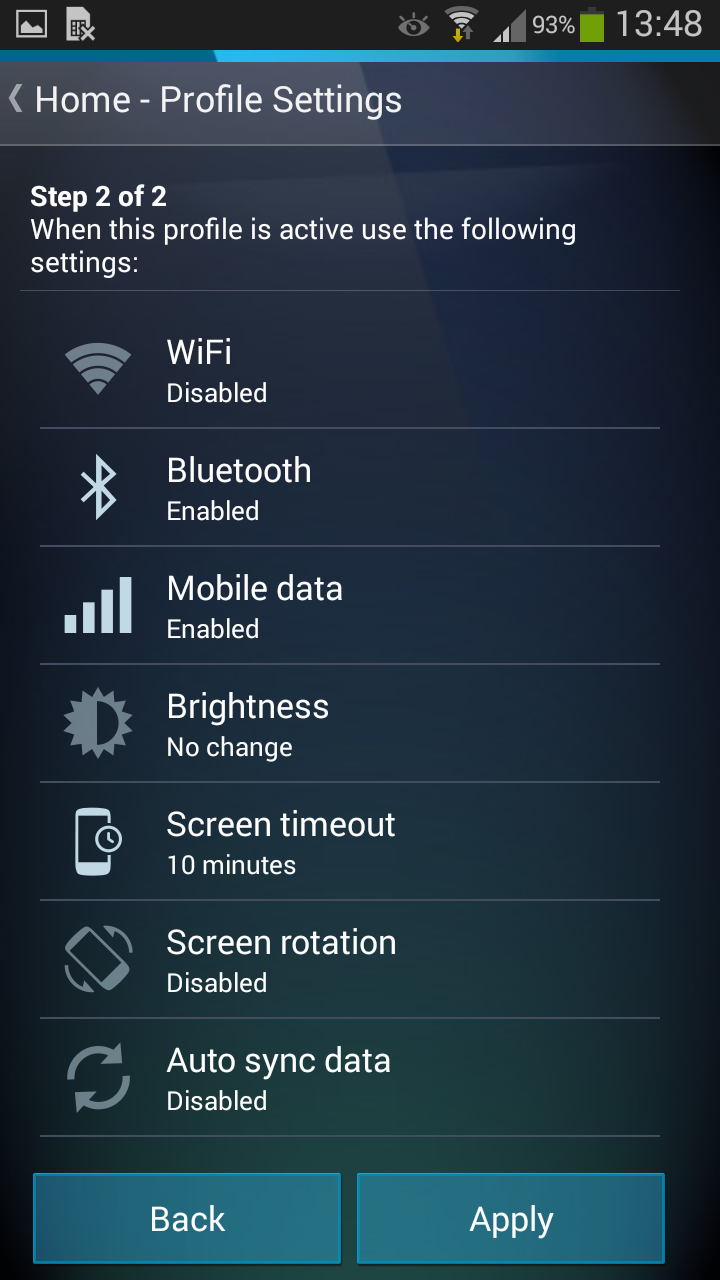
That’s because I don’t need any Wi-Fi in my car. Plus, I’m using the phone as my GPS so I don’t want the screen rotating randomly or turning itself off after a while.

Download AVG Cleaner for Android now.

AVG CloudCare wins VB100 antivirus award

AVG CloudCare™ is a platform that simplifies IT management for the small and medium-sized business. It protects devices, data and people with a set of flexible services that you can manage remotely from any web browser. Activate or deactivate services, roll out policies, install software, and simply take care of issues, all in a single platform.

The importance of independent reviews on products designed for the SMB’s is that these businesses do not have the time and resource, nor the inclination in many cases, to research which solution will give them the security and reliability that their business requires.

In large enterprises teams of IT professionals evaluate multiple products and select based on criteria that their business demands. In small organisations the requirement to have a solution that answers the business needs does not change but the ability to research a market does differ.

Most SMB organizations trust their IT security to a partner, a reseller or consulting company that provides them the services and selection of products that an enterprise IT department would. The fact that the purchaser can easily validate the proposal from their IT partner by looking to see what accolades and awards the solution being offered has achieved makes the decision process much simpler.

VB100 is a comparative review conducted by Virus Bulletin, who put antivirus solutions through their paces with rigorous testing. In this case the testing was for servers running Windows Server 2008 R2 SP1.

Try AVG CloudCare free for 30 days


How technology will change the way we behave in 2015

As 2014 comes to an end, it is time to look ahead to 2015. This year though, rather than give my predictions about emerging technology, my mind is drawn to our behavior and the changing the way we actually interact with technology.

There are three areas in which I foresee the most change during 2015 thanks to increased public interest and acceptance:


We will start using privacy based solutions

The discussion about privacy; my right to be me and own my data has been gaining momentum in the last five years. We are rapidly losing control over our personal data and identities in today’s fast moving digital world. The advertising world collects ever more data to try and predict our needs based on who we are and our behavior. 2014 has shown us that our online identity isn’t safe from advertisers, hackers or even governments.

So the problem of who controls my identity becomes more and more interesting to the actual owners – each and every one of us. . Laws around how to keep and secure data, and restrictions about sharing it are on the way through movements like the Right to Be Forgotten.

In the passing year we have seen lots of solutions focusing on sharing using “Privacy by design” to be the key feature, apps like Snapchat , Whisper, Secret, Tinder, Tumblr, the Silent circle messaging and their Blackphone. These applications are chat, photo sharing and social media where the privacy and trust is built in.

So the market demand for privacy oriented solutions is there and the technology has existed for several years. The missing key ingredient that will drive it into the mass market is how business can make money from privacy. In the next year I expect to see more and more monetization concepts to make money from solutions that provide anonymity and privacy. The market demand is there and the technology is there…


We will fall in love with electronics (again)

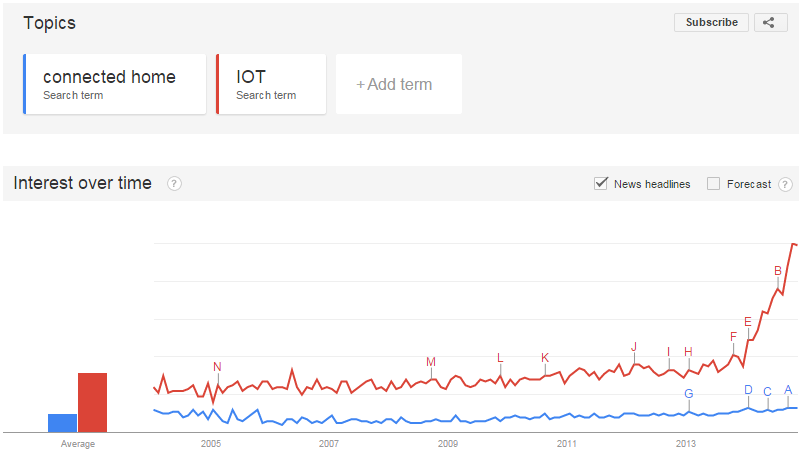
Since the 90’s, the idea of a connected smart home has excited millions. The idea of an electric light that will turn on when you step in the room and you can close with a clap is not new. But it is only in the last year that the idea of Internet of Things has really started to be feasible.

The good news is that electronics are back and so is software. After all it is through software that we interact with devices and makes them seem exciting and new. Over the last 15 years we have tried to create value in software by adopting various business models. From the Freemium model, giving limited functionality and then charge when features are added through the models that monetize through Google Ads and search up to the SaaS models where it is not the software you pay for but a service that comes with it…

In 2014, we saw Fitbit emerge as a leading wearable device, and a big part of this is software that makes it seem very personal to every one of us. It was the same with the GoPRo camera – transferring a simple camera into high end extreme sports filming equipment. In 2015 I expect many devices will evolve to become connected and take on new roles in our digital world. Software will be an important factor in deciding which devices are successful, it’s through software that devices become personal and relatable.


We will search less and discover more

Since the beginning of the internet, search has taken a cardinal place in our interaction with data. First Yahoo and then Google made sure our homepage is a search page.

Microsoft went on and translated this behavior into the application on the PC, and now we have a search box almost in everything and everywhere…

With Adwords technology Google cracked the way to monetize search behavior. The search term that the user enters translated to ads that the user wants at that moment.

Smartphones arrived and quickly become a main vector for search, both of the Internet and of ever growing app stores. Importantly they also heralded the arrival voice recognition technologies and of voice search. But as technology advances there is a quest to predict the search. To analyze requests and behavior so that the information we seek is already there waiting for us. We can see it in action with programs like Google Now that collects information about you from a range of sources and tries to predict what you need, whether it’s directions to work, your flight times that day or what the weather will be like.

But in less obvious move, many successful mobile apps have removed the search field and actually providing people with suggestions or things to discover as a way increasing engagement as well as servicing and increasing the value of apps and services.

There are many examples of this discovery mechanic in online news where services like Outbrain and Tabula offer more content to people who read news, and monetize through pay-per-click

Other examples of discovery replacing search are popular apps like Instagram, Flipboard and Facebook where people are encouraged to roam and discover news, pictures or friends.

Perhaps the best example of this is Tinder where rather than searching for match, the app makes constant suggestions that the user accepts or rejects


I think in 2015 we will see this trend getting stronger and more apps and services will increase the promotion of content to their customers as a way to keep them interested in using the application or service.


Should businesses worry about wearables?

In the last few years, businesses have been tackling a new set of privacy and security issues thanks to the Bring Your Own Device (BYOD) trend where employees are increasingly using their personal devices for business use.

But what about the new device trend; wearables? How will wearable devices in the workplace affect a business? Will Wear Your Own Device (WOYD) be an issue?

Forrester, among other analysts, is predicting that 2015 will be the “year of the wearable.” IdTechEx predicts growth from $14 billion in 2014 to over $70 billion in 2024.  But the market is just ramping up, and experts are predicting it to be huge, and ubiquitous –while feeding into the larger Internet of Things.

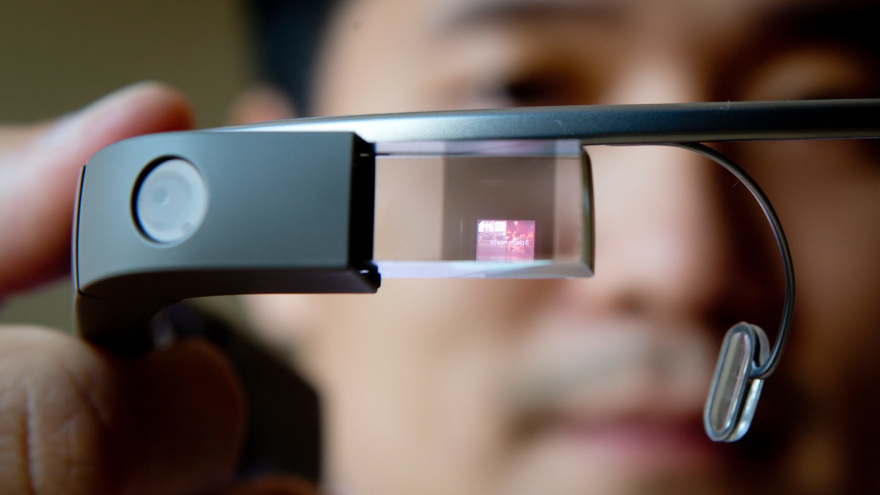
Part of the enthusiasm being generated for wearables is attributed to the much-heralded release of the Apple Watch. And part of it is that these devices are becoming mainstream. This has been brought to the forefront by developments with Google Glass.

Google Glass

Image courtesy of Sensory Motor


Early issues surrounding Google Glass go to the very heart of the wearable debate: there are real concerns that the person talking to you and wearing the Glass could be recording everything.  Taken into the workplace, Glass could be used to look at valuable corporate information or record a private conference meeting. Not to mention the company workout room and locker room!

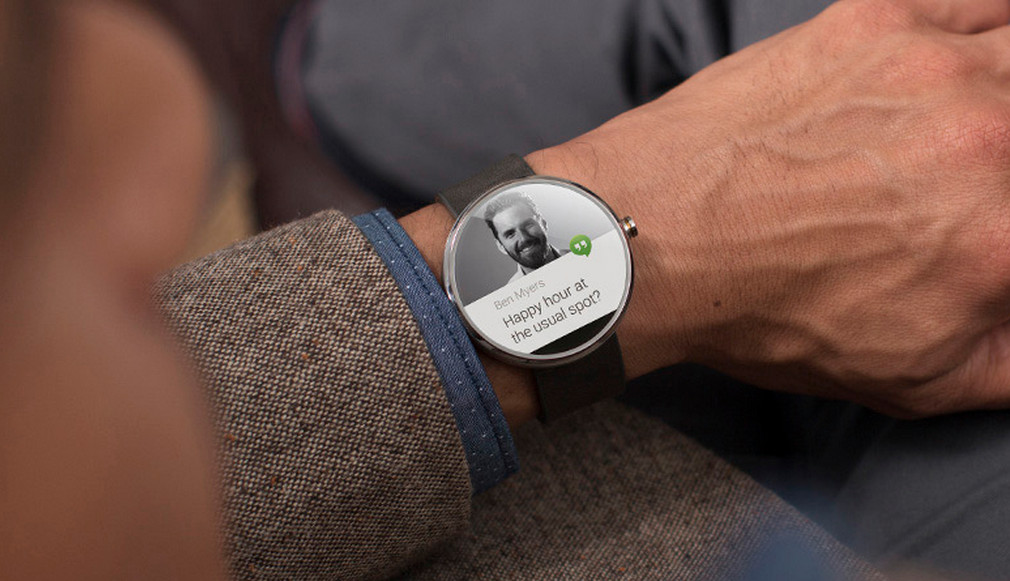
My husband Bob, who was an early Samsung X watch adopter, likes to amuse dinner guests with demos of how he can video them with his watch without them having a clue… While his and the first “smart watches” were clunky, increasingly they are being designed to be smaller, cooler, and…well, look like any other watch.

Google and Apple are just two examples of the first wave of wearable tech; there’s also the Moto 360, Samsung Gear, and start-up players like Pebble with plenty more in development.  In the next wave, experts envision devices being woven into clothing, placed in jewelry and bracelets, available as a skin patch, and other weird and wonderful ideas.

Image courtesy of Independent


Privacy issues aside, there’s security to consider as well. Wearables run on software and software can be vulnerable to attack.  In the case of Glass, you could foresee an attack that grants the hacker with a view of everything you’re seeing. Scary, right? For these and other reasons, some government agencies and other high-security-risk workplaces have banned Glass.

Of course, everyone can see if you’re wearing Google Glass.  But as wearable devices get harder to spot, privacy risks go up. So as an employer, manager, enterprise expert, or small business owner, what can you do to maintain security and safety? Banning WYOD all together doesn’t appear to be a sensible option, and as a matter of fact may put your business at a disadvantage.

So, it’s a good idea to start putting policies in place. If you develop a good BYOD policy you’ll be in good shape for WYOD.

Here are a few areas to consider in expanding your BYOD policy for WYOD:

  • The types and acceptable use of personal devices by employees — whether wearable or not
  • How these personal devices will be monitored while in the office
  • Stipulation for use of company-owned BYOD/WYOD devices outside the office
  • Enhanced/expanded social media policy to include BYOD/WYOD
  • Details on penalties for violating the device policy


For more help creating a device policy for your business, check out our Small Business Digital Policy eBook.


I certainly don’t want to be all gloom and doom about wearable devices. I believe they can do great things in the workplace.  For example, Boston’s Beth Israel Deaconess Medical Center has developed a custom retrieval system for Google Glass, which allows an ER doctor to look up specific information about patients by using Google Glass to scan a Quick response (QR) code on the wall of each room.

Salesforce this summer announced the Salesforce Wear Developer Kit, a set of resources designed to help developers build apps that integrate with Salesforce service for such wearable devices as smart watches, smart glasses, smart armbands and biometric authenticators. Clearly we’re at the cusp of a WYOD evolution (I hesitate to call it a revolution).

It’s only natural that wearables are bleeding into the workplace.
And like any new technology in the workplace, it’s all about preparing for it and using it in the right way.

Title image courtesy of edudemic

Four trends that will change mobile in 2015

In fact in the US mobile web traffic exceeded desktop web traffic for the first time. Mobile is fast becoming the most convenient and cost effective to way get online but what does the future hold for our smartphones?

Here are my predictions on how our mobile worlds will continue to evolve in 2015.


Apps will become the primary target for hackers

While the first generation of mobile threats was primarily using vectors and methods seen in the PC world, we are beginning to see new threats specifically designed to exploit mobile devices. The threats is not just malicious apps, but also regular apps that are vulnerable to attacks.

Until now, the centralized software distribution model seen with the AppStore and Google Play has helped protect our devices from malware. This concept came as a lesson we all learned from the PC, where software distribution is not controlled and so malware is common. Apps on official stores are less likely to be malicious, but it doesn’t mean they are not vulnerable to attacks.

Hackers love to find vulnerabilities. Almost every software program has vulnerabilities that are waiting to be discovered and mobile apps are not an exception. As official app stores make it difficult for hackers to directly upload malicious apps, they have instead begun hunting for vulnerable apps to attack.

Vulnerable Apps are not always removed from the App stores and as many have been left unmaintained by developers, creating an opportunity for hackers to exploit them.


New threats will emerge

As a result I expect to see a rise in the discovery of mobile app vulnerabilities during 2015. Here are a few examples:

  • Voice activation – Voice activated software is a standard feature on smartphones and are also appearing in smart TVs and other Internet-connected devices. However many of the implementations are vulnerable to voice activation attacks. This is because it does not authenticate the source of the voice – it could be you speaking, or equally it could be a synthesized voice coming out of an app – yes, even a game can play a sound an send an email to your contacts on your behalf.

Video

How Apps Could Hijack Google Now


  • Mobile browsers – For the average user, browsers on mobile are very difficult to operate. Small screens mean you see only a fraction of the URL, making it easy disguise a malicious URL. Drive-by infections, which are well known to PC users, will soon come to mobile users as well. Not surprising, mobile browsers are also vulnerable to JavaScript exploits that can be triggered by a hacker remotely. That could mean streaming video to or from a device, even if it is locked.
  • Radio-based threats (Wi-Fi, Bluetooth, NFC) – mobile devices are constantly broadcasting over radio frequencies in order to connect and transfer data. Rough access points and over-the-air sniffers can capture transmitted data, reply with malicious content or even modify the values in the data over-the-air.
  • Masque Attacks and malicious Profiles – as mobile users have less visibility on the files being downloaded on the device, like the running processes and settings, hackers will continue to use these limitations to mislead the user to download and install malicious files to their devices from outside the Appstore. However apps on app store are also vulnerable and I predict the number of malware detections from recognized app stores to increase in 2015.


Data will become more valuable and more threatened

Mobile devices are much more personal than our PCs ever could be. The data on them is much more intimate and is a much more rewarding target for hackers. In 2015, I expect data, especially that held on our mobile devices, to come under much greater scrutiny.

In particular, I foresee three threats to our data in the coming year:

  • Physical tracking – criminals or law enforcement can use location data stored on your phone to identify important places (such as home or place of work), analyze behavior such as a daily route or absence from home.
  • Data stealing – in mobile, everything is broadcast through the air, that means data is vulnerable to being intercepted as it travels. Credentials, financials, transactions or payments can all be captured and recorded by 3rd
  • Commercial tracking – mainly done by retailers to better understand the behavior of their visitors. Think online analytics but for the physical world.


Payments will also go mobile

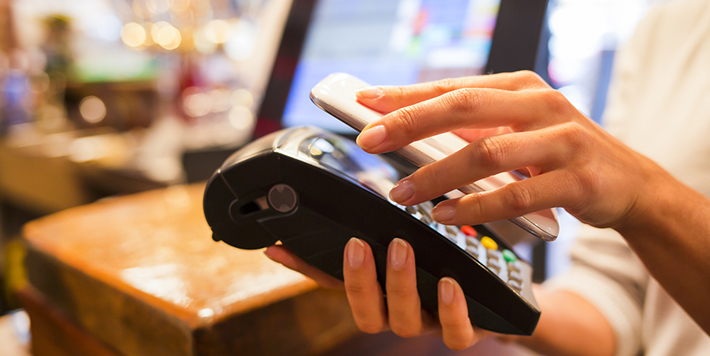
The public’s positive reception of Apple Pay heralded a new phase of consumer payment methodology. Although Apple is not the first to introduce mobile payment, their offering came at a good time and the implementation seems to be practical and secure.

As mobile payments are a new experience for consumers, I expect to see social engineering attacks where hackers will try to confuse and mislead in order to steal credentials and personal data. This is expected to be the first phase of attacks. Once consumers are more familiar with the technology, attacks on vulnerable apps and even on the payment services are expected to soar.

A Guide to Facebook Privacy Basics

I’ve written a lot about over-sharing on social media. Why? Because it can be embarrassing, annoying and, in the worst case, dangerous to over-share our private information.

Often over-sharing happens unintentionally, because people haven’t adjusted their privacy settings.  On Facebook for example, every time you post it’s possible to choose who can see it.

The issue is that people regularly overlook privacy options or just fail to understand why it is a good idea. Facebook has taken steps to change this with the introduction of “Privacy Basics”.

Available from January 1st, Facebook will provide interactive guides to answer commonly asked questions about how to control your personal information on the site. These guides, available in 36 languages, will allow users to learn more about untagging, unfriending, blocking and more.

Here’s what Privacy Basics can help you control on Facebook:

What others see about you – Control who can see your posts, profile and friends, how to remove comments, tags and accounts.

How others interact with you – What other people can post on your timeline, what people can do to things you post, how to block users and what to do if your account is hacked.

What you see – How to customize what you see in your newsfeed and from advertisers.


Erin Egan, Facebook’s Chief Privacy Officer, described it this way: ”Privacy Basics is the latest step we’ve taken to help you make sure you’re sharing with exactly who you want, including our privacy checkupreminder for people posting publicly and simplified audience selectors.” You can read the announcement here.

Making Facebook settings simple, more intuitive, and explainable is great news, especially for new users.

Of course, it’s up to all of us to control our settings. Facebook is essentially handing you the keys. As the welcoming page for Privacy Basics says, “You’re in Charge.”

Is lack of trust limiting the potential for new online services?

If you do any or all of these, do you ever stop to think about whether you can trust these online services with your private data like bank details, personal health information, on top of the usual address and date of birth?

With the rapid development and uptake of the Internet of Things, 2015 is set to be the year where the choice of connected devices and services will really take off. With an estimated two billion new people coming online in the next four years across the world, the consideration of who they can trust with their data online has never been more relevant.

Building trust online isn’t as easy as it sounds. It involves every one of us, as individual web users, businesses leaders, policy makers and governments. It’s an agreement of rights and responsibilities on both end-user and provider sides of connected services.

With mobile being the most accessible and affordable means to connect to the Internet for billions of people in developing economies, the telecoms industry at large is going to have a very large role to play in building trust. This means anyone who is providing a mobile service or product needs to be part of this debate.

AVG’s CEO Gary Kovacs recently took part in a debate at GSMA’s Mobile 360 event on the steps needed to build a digital future for Europe. He outlined three principles that the industry must consider in this area.

First, we can’t expect users to simply understand the implications of going online for public services. The industry has a responsibility to help educate the web’s newest arrivals to understand the implications what they do online. Personal data is traded and marketed, and individual privacy can be eroded both with express user knowledge and without.

AVG recently attended the Clinton Global Initiative and announced its Smart User Mission which aims to help first time smartphone users better understand how their data and privacy is affected by the apps and services that they use. The main aim is to help consumers understand that sharing data is not bad; it simply needs to be consensual.

Smart User Iniative

Second, understanding and consenting to personal data exchange bring us to another issue; transparency. At some stage, we’ve all blindly accepted privacy and usage policies for apps and services. Businesses must take steps to become more transparent about their data policies and give users a clear explanation of how their data will be used. AVG has already done this with its Short Data Privacy Notice for its mobile apps but we recognize there is always more that can be done.

Finally, whatever actions the industry takes, we have to enforce it; it has to have teeth and it has to matter if it is to be meaningful. The need to grow consumer trust with the next generation of online services represents the next obstacle in our connected journey and the framework we work to put in place today will set the tone for users’ experiences online in the future.

Image courtesy of GSMA

AVG at Kiwicon 8 in Wellington, New Zealand

But this is no ordinary conference, this is “Kiwicon” the eighth consecutive annual security conference held in Wellington, New Zealand whose theme this year is – “It’s always 1989 in computer security”.

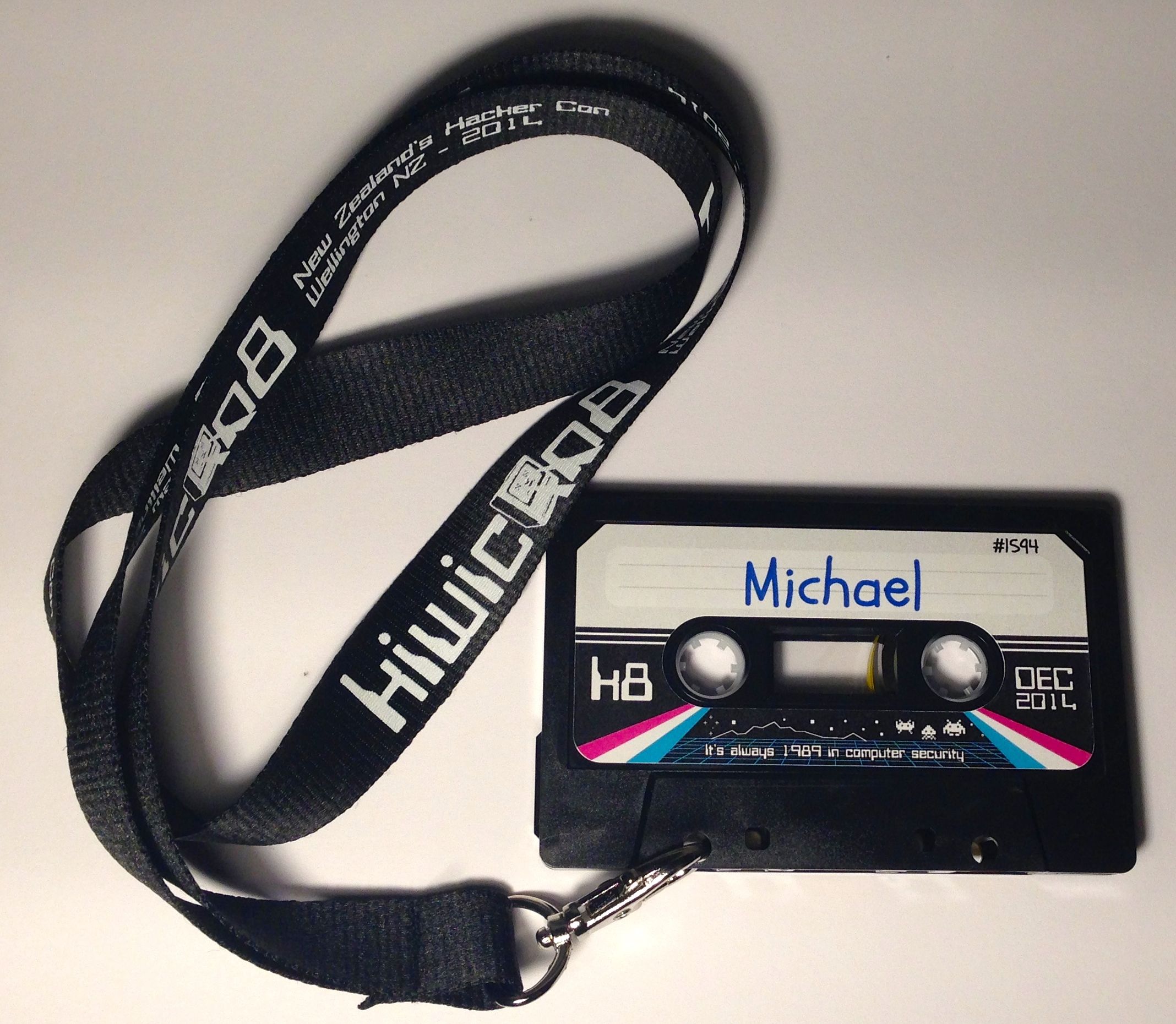
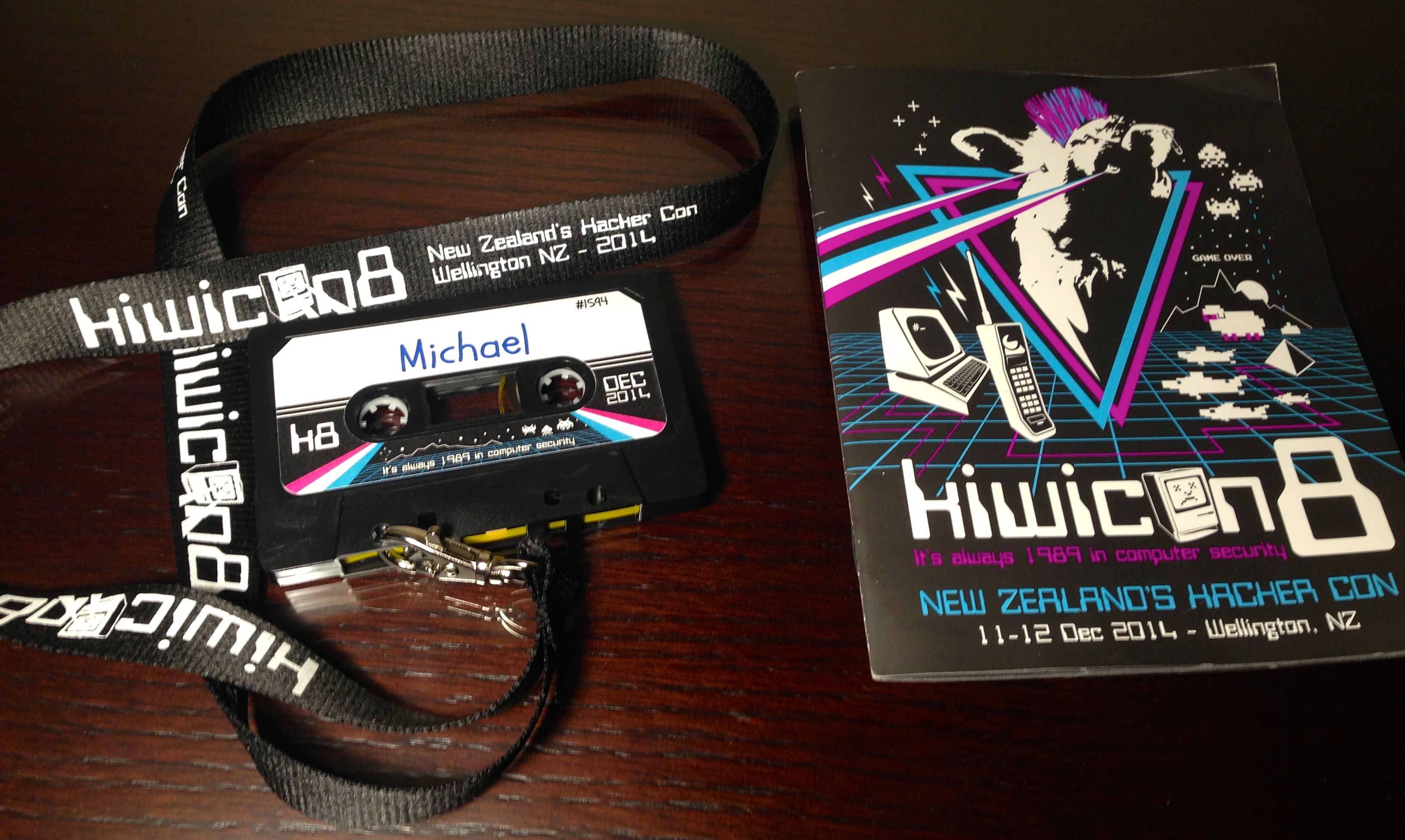
No expense has been spared by the organisers to reinforce the 80’s theme including name badges in the form of real audio cassettes (yes, they still exist) that are labelled with your hacker name.  I’m afraid my hacker name of “Michael” was somewhat plain in hindsight!

The self-deprecating humour scattered throughout the Kiwicon website and program guide is nothing short of amazing; a must-read if you get the chance.  And the permanent stage props of a Llama and Sheep really help paint the picture of a conference that has a wonderful relaxed, if not quirky tone.

With more than 1,100 security geeks attending, including many international guests, this conference is likely the closest thing to DEFCON this side of the Pacific; and from comments I’ve heard from fellow attendees, maybe even better.

The first day has concluded with talks as diverse as real cases of journalists and human rights activists being hacked by suspicious government actors, to researchers who reverse engineered the Bluetooth powered controls of an electric skateboard.

Presentations at Kiwicon tend to be very technical, and give you an insight into the genius minds behind some of the leading edge security research that over time assists in keeping all of us safer online, as vulnerabilities are discovered and disclosed.

Day two of Kiwicon is packed with topics such as a walk through of techniques that can be used to detect hoax images that are all too familiar on the Internet these days, as well as some possible disclosures relating to Minecraft which may well turn into breaking news.

But if attending security talks aren’t your thing, the conference also offers the chance to participate in a hacking challenge, lock-picking competition and other activities to keep the minds of the brightest up and coming security professionals occupied.

Until the next conference, stay safe out there.

AVG talks about Privacy at CES Lifelong Tech Summit

AMSTERDAM and SAN FRANCISCO – December 11, 2014 – AVG Technologies N.V. (NYSE: AVG), the online security company™ for 188 million active users, today announced it will speak at the Lifelong Tech and exhibit at the Family Tech Summits at the 2015 International Consumer Electronics Show (CES) being held January 6-9, 2015 in Las Vegas.

Highlighting the company’s participation is AVG Chief Marketing Officer Judith Bitterli’s Tech Talk on Jan. 6 on “The Privacy Fear Factor,” a guide to essentials for online safety.

“Feeling safe, comfortable and confident online, especially in our increasingly connected and mobile world, can seem overwhelming if you don’t have the right tools in place,” said Bitterli, who regularly blogs on tech topics for Boomers at AVG Now. “The 50+ audience wants to be connected, engaged, informed and entertained. But privacy has been a major issue for them in fully utilizing the Internet – which has become an essential part of all of our lives. We must address the these issues so we can safely access the services we need — from health records to financial and social sites.”

As part of the presentation, Bitterli will share insights around Boomers’ tech usage and attitudes about privacy and protection issues, including findings from AVG’s new Digital Diaries Boomer research study.

The Lifelong Tech Summit (formerly the Silver Summit) looks at products and services that impact the lives of Boomers – which accounts for approximately 78 million US citizens (450 million worldwide) born between 1946 and 1964. This year’s Summit is designed to showcase the latest products and solutions for lifelong learning, enhancing and augmenting sensory experience, smart home control, healthy aging, and more. See more at: http://livingindigitaltimes.com/


What: ‘The Privacy Fear Factor’ presentation at Lifelong Tech Summit at CES

Who: AVG Technologies’ CMO Judith Bitterli

When: 1:30 p.m. January 6, 2015

Location: The Venetian, Level 2, Bellini 2006


AVG also will exhibit at the Family Tech Summit’s Cool Mom’s Showcase, being held Jan. 6-9 at CES Tech West, Sands Expo Level 2, Cool Products Pavilion #74935. This event is designed to highlight products that help families save time and energy so they can devote it to what’s important. AVG will showcase some of its key online security and privacy products for families, including “Magda and Mo”, the series of interactive online books that help children learn how to stay safe online. Location Labs by AVG, which was acquired by AVG in September 2014, will feature its Phone Controls service, which US customers can try for free through their tier 1 wireless carrier. Phone Controls lets parents see at a glance and limit how kids use phones, through real-time alerts and easy-to-read weekly email summaries on texting, calling and app downloads.


###


About AVG Technologies (NYSE: AVG)

AVG is the online security company providing leading software and services to secure devices, data and people.  AVG has over 188 million active users, as of September 30, 2014, using AVG’s products and services including Internet security, performance optimization, and personal privacy and identity protection. By choosing AVG’s products, users become part of a trusted global community that engages directly with AVG to provide feedback and offer mutual support to other customers.

All trademarks are the property of their respective owners.

www.avg.com


Contacts:

US

Jordan Byrnes

Waggener Edstrom

[email protected]

+1 (415) 547 7049


UK

Samantha Woodman

Waggener Edstrom for AVG

[email protected]

+ 44 (0)20 7632 3840

Celebrating Hour of Code Week

Spearheaded by nonprofit www.hourofcode.com, during the past year, Hour of Code has reached tens of millions of students in 180+ countries. As of last count, there were 77,221 Hour of Code events around the world.

Anybody can host an Hour of Code anytime, but a grassroots campaign goal is for tens of millions of students to try an Hour of Code event during this week – December 8-14, 2014— the first anniversary of the event during Computer Science Education Week.

Facebook’s Mark Zuckerberg supports the program, recently donating $1 million on Indiegogo to Code.org’s Hour of Code crowd-funding campaign.  And this Friday, December 12, Apple retail stores across the planet will host one-hour coding workshops, for free, to anyone who wants to sign up and participate. These will offer an introduction to computer science, designed to demystify code and help inspire students to learn the basics of it. Apple will also host developers and engineers for special events and discussions in many cities around the world.

Code Week’s effort encourages minorities (this includes women) to open up the possibilities for both technology and for people. It’s truly a win-win.

Hour of Code

But somehow in our tech-obsessed world, there remains a real stigma about coding – a genuine perception that it is difficult or challenging or too, well, nerdish. The stereotypes regarding coding are tiresome and so last millennium!   This is in many ways limiting and unfortunate as coding is an incredible skill for people of all races, creeds, and genders.

Increasingly, technology affects every aspect of our lives, from the cars we drive to food we eat to the clothes we wear and the medicine we take. You can be a consumer, or a creator (or, ideally, both). Everyone should have the chance to have a say in creating the technology of the future.

Making education available matters, if we’re truly serious about creating equal opportunity on our increasingly connected planet. If you have a son, daughter, or grandkids, I encourage you to get them excited about and take part in Hour of Code.

Lets broaden the tech tent by inviting everyone in, and celebrate the Hour of Code. I’d love to go along with them and stretch my mental synapses a bit!

That’s truly impressive. One-hour tutorials are available in over 30 languages. As the organization says, “”No experience needed. Ages 4 to 104.”