Category Archives: Antivirus Vendors

Antivirus Vendors

Driverless cars ‘could be hacked’ warns Institute of Engineering and Technology

Self-driving cars are just around the corner, with the UK government putting up £10 million (around $15.6 million) for cities to pilot trials as soon as next year, but the country’s Institute of Engineering and Technology (IET) today issued stern warnings about the security of the technology.

The post Driverless cars ‘could be hacked’ warns Institute of Engineering and Technology appeared first on We Live Security.

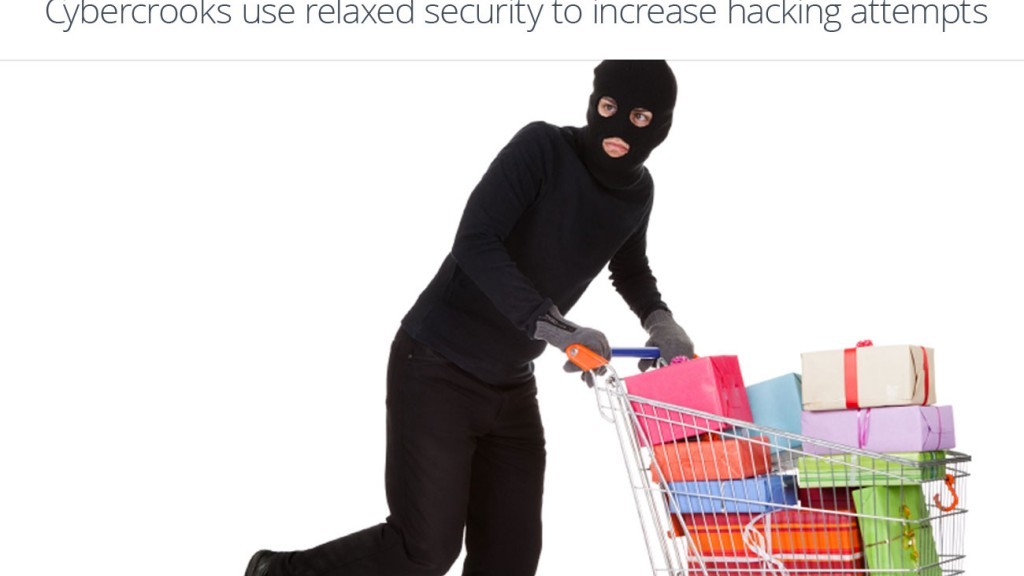
Cybercriminals take advantage of relaxed security measures during Black Friday

Cybercrooks believe that their attacks are more likely to succeed during the holiday shopping season.


BlackFriday-crook

Retailers have been “leaking” special Black Friday deals since before Buffalo got covered in a snow wall, and that flurry of sales results in the annual spike that carries them through the rest of the year. But analysts who study these things warn that cybercrooks are riding the sales wave with a surge in attacks due to relaxed security measures.

The Wall Street Journal quotes Gartner Inc’s vice president Avivah Litan,

Retail transaction volume increases by 50% during the holidays and retailers don’t want to stop to slow the pace of business, so they relax fraud controls to some degree. Criminals know they’re likely to get away with more.

Yikes! That’s not good news for consumers, especially since we are swiping our credit and debit cards at places like Target, The Home Depot, and Neiman Marcus – all victims of point-of-sale terminal hacks this year. Experts have advised retailers to take action, like upgrading terminals with new technology and enabling chip embedded cards, but all that takes time to implement.

It’s not much better online. Attacks during last holiday shopping season, November 14, 2013 through January 9, 2014 increased by 264% over the weeks prior to that time, says security company Imperva.The reason?

Believe Macy's

Cybercrooks believe in their ability to succeed this time of year.

Cybercrooks believe that retail applications are more vulnerable during this time of the year, and that attacks are more likely to succeed. Isn’t that what the Gartner analyst said about brick-and-mortar retailers?

The reasoning is similar – in order not to annoy shoppers who can go elsewhere, online retailers relax strict security measures such as step-up authentication and Captcha. Add that easy check-out to all those new Black Friday and CyberMonday quick campaign webpages, (“bad design, unsafe coding, and usage of insecure third-party libraries”) and cybercrooks get an early Christmas present in the form of your credit card number and possible stolen identity.

How to protect yourself during Black Friday

  • Stay home on Thursday Celebrate Thanksgiving with your family. That way you can safely eat too much and watch football and movies while avoiding the crazed crowds trying to jump the gun on Black FRIDAY sales.
  • In God We Trust, All Others Use Cash Use cash or a credit card when paying for your purchases. With a credit card, you can dispute charges, if your financial data falls into the hands of cybercrooks.
  • Change your passwords. Please don’t use the same password for online shopping sites that you use for your bank. When you do it’s like wrapping it in fancy paper and a bow – it’s that easy for a cybercrook to get to.
  • Regularly monitor your bank and credit card statements to make sure all the transactions are legitimate. Monitor your credit report for any changes.

Avast Software’s security applications for PC, Mac, and Android are trusted by more than 200-million people and businesses. Please follow us on Facebook, Twitter and Google+.


Electronic voting may not be 100% secure (but neither is traditional voting)

urn

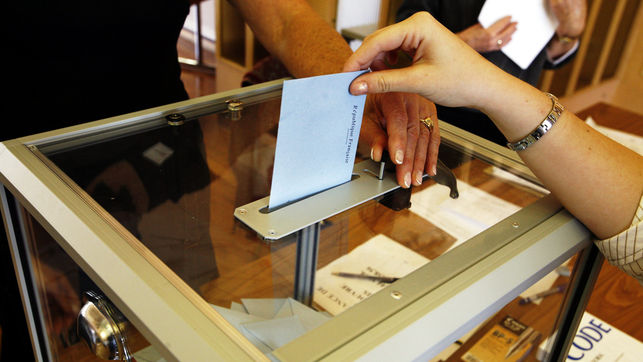
You must start from a base: no voting system is 100% secure. Neither traditional nor electronic. Ballot stuffing is a practice as old as elections themselves and it refers to one of the multiple techniques used throughout history to tamper with election results: submitting multiple ballots per person.

There is also the personation technique, deceased voters who come back to life for one day to vote; and electoral registration fraud, voters registering illegally in a constituency that does not correspond to them. That is not to speak of the buses that pick up people from the villages to take them to the capital to vote, the party obviously covering the expense.

Electronic voting, the essence of so-called “cyber-democracy”, is not safe from fraud. In fact, there is a perception that it is even less secure, easier to tamper with than methacrylate ballot boxes.

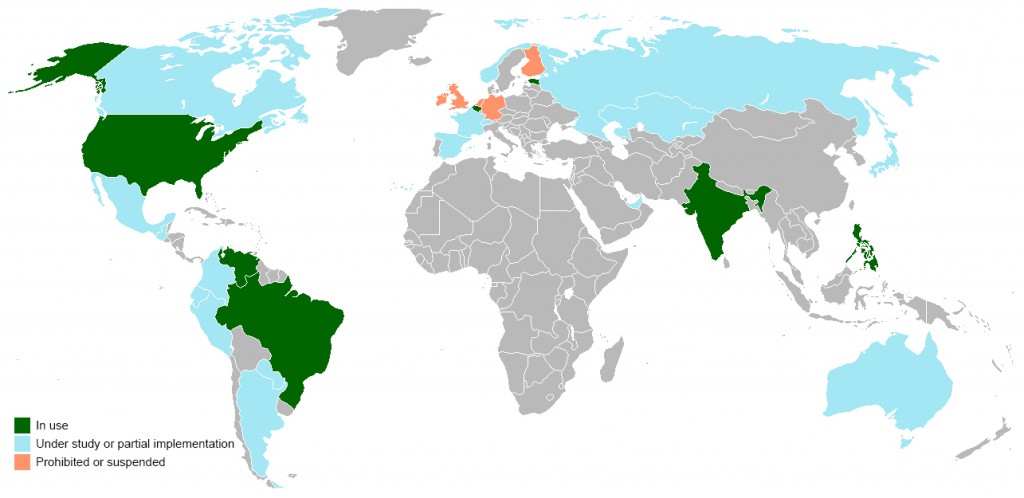
For example, a recent study by researchers Dan Zimmerman and Joe Kiniry analyzes the risks of voting via email, one of the methods already being used in various countries, and advise against using it. And quite a few European countries have gone back on their decision to use online voting, due to the controversy that has arisen.
world-electronic-voting

The Netherlands, pioneer in implementing electronic voting (a legal provision being put in place in 1965), decided to go back to using ballot papers in 2008, two years after the publication of a study that revealed a serious security problem in the system.

In 2009, following a long legal battle, the German Federal Constitutional Court ruled electronic voting unconstitutional, as it considered that it did not allow citizens without technical knowledge to supervise the election process. In the same year, Ireland scrapped the online voting system. Finland halted its program in 2010, after invalidating the results of the first pilot test, which was carried out in 2008.

The United Kingdom carried out more than thirty pilot tests between 2002 and 2007, but none of them returned sufficient guarantees for authorities. The Electoral Commission suspended the implementation of electronic voting in 2008.

In Spain, the surprise political party that was successful in the European elections, Podemos, is using an electronic voting system to make internal decisions. It is called Agora Voting and involves three phases: One, the party’s responsibility is to make sure that the person voting is who they say they are; the second and third, registration and counting of the votes, are the shared responsibility of the so-called “voting authorities” (independent observers who certify that no personal interests contaminate the process). All of the software used is free software and after voting, each voter can check the integrity of the vote using an identifier.

podemos-voting

In this case, the largest crack in the system is in the Podemos registration or membership system, which only asks for a national identity card number and phone number. Both of these things, as already proved, can be faked.

To sum up, as Eduardo Robles, cofounder of Agora Voting, said, there is not a big difference between the traditional voting system and the electronic. “Can ballot papers get lost? Of course, but it is very difficult because they are kept guarded. Can ballot boxes be tampered with? Yes.” And the same happens with the virtual ones.

Security mechanisms improve very quickly but so do the techniques used by the attacker. While there is interest in changing the results, ballot stuffing will continue to evolve.

The post Electronic voting may not be 100% secure (but neither is traditional voting) appeared first on MediaCenter Panda Security.

What a great year for Avira Antivirus


A new VB100 Award from Virus Bulletin

Avira AntiVir Personal and Avira AntiVir Professional have successfully obtained a new VB100 Award from Virus Bulletin contributing to an uninterrupted row of successes for both our paid and free solutions. The Avira Free Antivirus was complimented for being fast and reliable, offering great detection to its users. All of these features helped our free antivirus edition maintain an excellent record of passes with 0 fails registered by the Virus Bulletin testing. Our Professional Security Antivirus was also praised on its good scanning speeds, very little lag time and low resource consumption. One thing is for sure, we can all be proud of an impeccable track record.

Avira Antivirus for Android, another great score from AV-TEST

In 2014, our free Avira Antivirus for Android has also earned an awesome rating in the test conducted by the AV-TEST security institute. It was the fifth time in a row. This success was guaranteed by an amazing detection rate on the Android malware test set, not missing a single malicious app. Zero false positives and no hiccups in any of the benchmarks also granted us another perfect score of 6 out of 6 possible points for usability. Other product features like Anti-Theft and call blocking brought us some points as well.

Enhanced real-world protection according to AV-Comparatives

All throughout the year, we were also proud to announce outstanding scores received by our antivirus in AV-Comparatives tests (March-June, August, September, October). Check out the results from all of these dynamic tests.

We’re working really hard on getting excellent results also next year in all upcoming tests. We consider it part of our duty, as one of the pioneers for the most important innovations in the Antivirus industry.

The post What a great year for Avira Antivirus appeared first on Avira Blog.