
Category Archives: Panda Security

Panda Security

Smart TVs have become the new target for cyber criminals

smart TV curve

Smart TVs bring along benefits that actual televisions can’t offer. Internet access and communication with other devices make possible choose your broadcast program, share your favorite shows, watch YouTube videos and use other apps that we already have on our phones.

As Google couldn’t be less, has already launched Android TV, their small-screen Android operation system. We hope that the giant and the other technological companies are aware that connected TVs not only come loaded with virtues, but also with risks in security issues.

At least for now it doesn’t offer such a wide range of possibilities as smartphones, and it is neither a personal computer, but everything points that in a couple of years they will offer similar benefits. Take for example banking operations, like managing our accounts through the banks virtual platforms or online shopping. A delicious treat for cybercriminals.

smart tv android

A recent research of the European Union Agency for Network and Information Security (ENISA) identifies the cyberattacks as the main threats for Smart Homes, this threat will increase as more and more devices are connected within them and the network.

Apart from banking information, there is much more data at the mercy of the assailants. We just have to take a look into the new controversy that splattered Samsung, accused of listening to their customers conversations through their Smart TV’s microphones.

This is because the service conditions advise that in order to enable Voice Recognition, some voice commands must be captured and analyzed through remote control. The privacy policy states: “Please be aware that if your spoken words include personal or other sensitive information, that information will be among the data captured and transmitted to a third party.”

Samsung is not the first company accused of recording their viewers. In 2013, a British developer discovered that LG’s Smart TV was gathering information about the user’s television habits via its smart ad feature. Later that year, Malik Mesellem expert in cyber security found a weakness in Samsung TVs that would make them liable to denial-of-service attacks (the famous DDos).

smart tv

Despite the South Korean company has strongly denied the listening’s accusation, and “third parties” would only be the company responsible of converting the voice commands into orders, suspicions have not disappeared. If they can spy with your phone microphone, why wouldn’t they do it through this one?


Nor should we forget that TVs also incorporate cameras, so making video calls is just around the corner. As we are connected to the Net, digital offenders may have access to images of your living room. Creating a new window for cyberespionage, directly into your home.

These devices also store large amounts of personal data, all kinds of documents stored both in the device’s internal memory and in the cloud. A malware installed in the TV could extract information and miss use it.

Experts admit that we must not fall into alarmism and completely reject smart appliances, but is important that we know the risks and be careful.

So if you have an Android operating system TV, the best thing you can do is protect it with Panda Mobile Security, our antivirus for Android. You will not regret it!


The post Smart TVs have become the new target for cyber criminals appeared first on MediaCenter Panda Security.
New Panda Mobile Security: Stronger mobile protection against fraud and threats now available in 16 languages

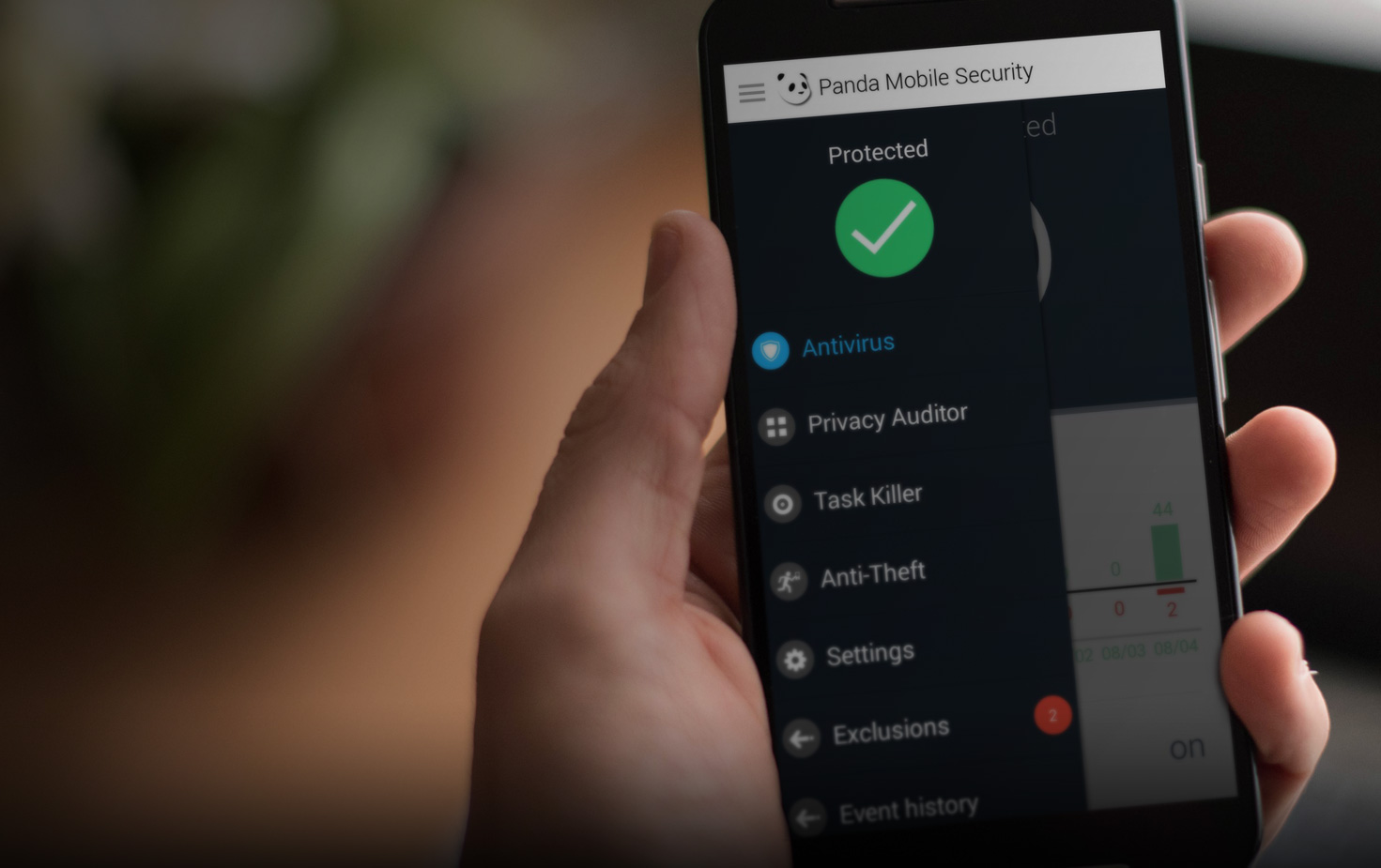
Panda Security today announced the launch of a new and improved version of Panda Mobile Security, the company’s solution to protect mobile devices against next-generation threats.

The new Panda Mobile Security allows users to enjoy their devices with complete peace of mind, locate lost or stolen smartphones and tablets, and protect their private information. One of the solution’s new features (‘Costs money’) warns users against downloading apps that send SMS messages to premium-rate numbers.

Panda Mobile Security protects mobile devices against cyber-attacks, neutralizing malware designed to take control of the target system without the user’s consent. For example, it prevents apps from taking photos when the device is turned off or hibernated, or stealing stored data.

Protection from ransomware

Additionally, Panda Mobile Security protects smartphones and tablets against the growing threat of ransomware, that is, malware designed to hijack users’ devices, making them unusable unless a ramsom is paid by the victim.

Increased security with geolocation technologies

Another key feature included in the new release is the use of geolocation to protect users and ensure the security of their devices. The new Panda Mobile Security incorporates an anti-theft system that takes a photo of any person who enters an incorrect unlock code, and then sends the photo and map of their location to the user’s email address. Additionally, should the missing device run out of battery, Panda Mobile Security saves its location in order to use it in case of necessity.

“This new version, and the one to follow shortly with even more features, represent a major step forward in mobile security as they are designed to stop both internal and external threats to users’ devices. Our goal is to make things as simple as possible for our users so that they can enjoy their mobile devices without worrying,“ said Hervé Lambert, Retail Product Marketing Manager at Panda Security.

Panda Mobile Security is now available in 16 languages, and Panda Security is working on a new look and feel to mark the company’s 25th Anniversary and its new corporate identity. Over the next few months the solution will also incorporate motion alerts.

header

The post New Panda Mobile Security: Stronger mobile protection against fraud and threats now available in 16 languages appeared first on MediaCenter Panda Security.

What is Cloud Computing and how it will boost your business – Infographic

What is Cloud Computing

Cloud Computing means storing and accessing data and programs in ‘the cloud’. This concept has been the basis of an entire business model that provides services and computing resources over the Internet.

This technology leverages the cloud to free users from having to worry about processing and storage work. Everything is done from and in the cloud.

Cloud Computing technologies don’t require any type of specific infrastructure from the user and provide cross-platform access at any time from anywhere.

Cloud-based security is an absolute necessity. Therefore, if you are looking for a business antivirus that provides best-of-breed cloud-based protection, look no further. Try Endpoint Protection.

Endpoint Protection provides cloud-based cross-platform protection for all your endpoints, minimizing maintenance costs and resource usage.

what is cloud computing

5 Reasons why Cloud Computing will boost your business

  1. Save costs.
    a. No need to buy any specific hardware since everything is in the Cloud (is Cloud based), which will drastically reduce the infrastructure costs.
    b. No need maintenance experts since the Cloud based solutions management is maintained by its creators from the cloud.
  2. Optimize resources.
    a. Increase the productivity of your IT department, since they will only have to focus on your problems, not on tools configuration, since the Cloud technology configuration and maintenance is as easy to use as your email.
    b. Increase the productivity of your workers offering them 360 access.
    c. Achieve more efficient and dynamic environments.
  3. Complete mobility.
    a. Access anytime, anywhere.
    b. Total access to the applications and the information.
    c. Access from any device connected to the Internet.
  4. Increase security.
    a. No need to make efforts in order to protect your Cloud based solutions, security is on us.
    b. The security technology you had ever imagined for your business safeguards your data.
    c. In case of disaster the Backup services in the cloud will save your business. You will be able to recover your data anytime.
  5. Growth and expansion flexibility.
    a. Want more licenses, here you go! Want more capacity, here you are! Want to expand your services, done! Everything you want, just by extending your Cloud services.

If you want to share this infographic, here toy have the code:

The post What is Cloud Computing and how it will boost your business – Infographic appeared first on MediaCenter Panda Security.

Browsers security: Why do we ignore their warnings?


chrome pin

Sometimes, Google Chrome tells us to distrust a website and warns us that that site can be dangerous. But instead of listening to it, we ignore it. We are so obsessed on quickly reaching the neck click, that we don’t even read the message.

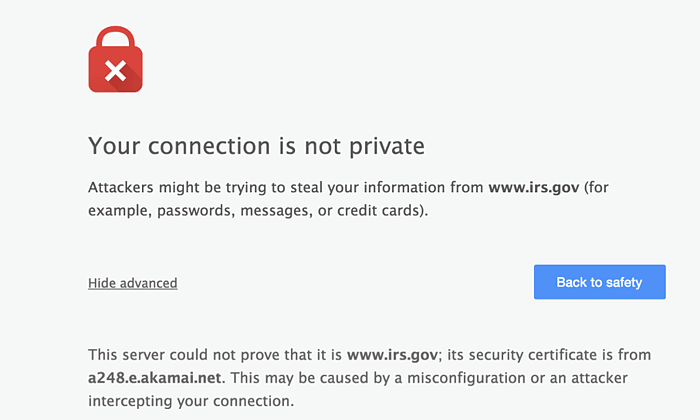
A study published by Google’s Chrome team stated that only one in four users pays attention to the SSL security certificate warnings and takes their advice. That’s why they decided to redesign them, reducing and simplifying the text, and adding more graphic information. Hoping, this will make users read the information before taking risks.

connection not private

But what does SSL stands for? This acronym refers to “Security Sockets Layer”, a secure connection protocol that enables you to browse the Internet with maximum guarantees. When a browser visits a webpage, it checks the site’s identity and its SSL. It informs you when something goes wrong, the site’s certificate is not from a trusted organization, it has expired, or the connection between the browser and the website is not secure. What’s the objective? The main objective is to prevent the users, letting them know that the site could threaten their safety. For example, if you were making a purchase, someone could steal your credit card information.

Many users may not take into account their browser’s opinion. If their browser simply tells them that the SSL is out of date, likely they won’t understand what this means or the risk this entails. Nevertheless, if they, like Chrome already does, point out that an attacker could steal your information, you would be more vigilant.

“Even though we prefer that the user decides things, in some cases, it simply doesn’t make sense. It’s simply impossible to explain something as complex as cryptography to many users,” says Andreas Gal, chief technology officer at Mozilla. Gal refers in this way to the difficulty of transferring and translating information about privacy to those users who should worry about it.

Lujo Bauer, Associate Research Professor CyLab at Carnegie Mellon University, published a paper in which recommended that web browsers present the information in a comprehensible and concise way, and offer the top options to users. This is why Chrome decided to reduce the text and make the warning signal more visible, even highlighting in blue the “Go Back” option and diminishing the “Advanced Options” that allows access to the not safe site.

Would these measures be useful? Or, are we so lazy that we will continue to ignore the information about our own security? The underlying problem is still there: we stop paying attention after viewing new sites several times. According to a research by Brigham Young University, in which after analyzing a variety of 40 different warnings – like anti-virus, software updates, or SSL– the results showed that after seeing them more than once, we stop noticing them.

do no read this sign

Communicating security problems is complicated if we don’t read the warnings, and the only thing we want is to keep on browsing without being disturbed. “The immediate cost of heeding the warning is high, because I will not be able to achieve my immediate goal, which is to reach the site and complete the bill payment or the status update that I had in mind,” says Raluca Budiu, senior researcher at usability consulting firm Nielsen Norman Group.

Can they steal our information if we dismiss the warnings? The answer is yes.

Do we have a lack of education about Internet? What else can browsers do to draw our attention in order to stop us from entering untrusted sites? Should they block the accss? Or, it is better that they keep letting us choose? You can reflect on it, or look up your browsers security options, so next time it warns you not to enter a site, you’ll pay more attention.

The post Browsers security: Why do we ignore their warnings? appeared first on MediaCenter Panda Security.
Management and Security, can you have one without the other?

cloud-based solution

Some days ago we showed you the Adaptive Defense Newsletter that we created with Gartner, and today we announce one about Panda Fusion.

This new Newsletter, entitled Management and Security, can you have one without the other? The part written by Panda explains how medium companies have difficulty managing their IT systems; heterogeneous, disperse and complex systems that aggravate their security.

What do we propose to solve this issue? Panda Fusion, the centralized and integrated cloud-based solution, provides the maximum protection against malware and at the same time manages and supports all their devices.

In addition, you will find Gartner Magic Quadrant last report: Magic Quadrant for Endpoint Protection Platforms, in which Panda is included as visionary.

Want access to this newsletter?

The post Management and Security, can you have one without the other? appeared first on MediaCenter Panda Security.

Cyber safety: one of the major companies concerns

shaking hands

I’m sure you have read about Sony’s latest leaks, the cyberattacks to Medias like The New York Times and the chaos created when cybercriminals paralyzed some banks payment networks. Nevertheless there are many other silent virtual crimes: both big corporations and small and medium businesses can suffer breaches in their data without anyone noticing anything, not even the workers.

Nowadays most banking transactions are conducted online, and almost every company has a web platform where they manage their documents and emails. That makes me wonder why computer security remains an outstanding issue in many organizations. Are they aware of the risks they are taking? Or, is it just that the new types of malware surpass their security measures?

This is not a trivial issue as we saw in the World Economic Forum (WEF), which took place last January in Davos (Switzerland). Many analysts, politicians and CEOs showed their concern and warned the public about this issue.

world economic forum

John Chambers, Cisco’s CEO, could not have said it better: “There are two types of companies: those who have been hacked, and those who don’t yet know they have been hacked.” Putting into words the issue’s significance at the WEF.

Moreover the situation is echoed by the 2015 Global Risks Report, elaborated by the WEF, and includes the cyberattacks as the futures more pressing dangers. “Innovation is critical to global prosperity, but also creates new risks. We must anticipate the issues that will arise from emerging technologies, and develop the safeguards and governance to prevent avoidable disasters.” said the President of Global Risk and Specialties at Marsh.

Technological Risks according to the Global Risks Report 2015 at the World Economic Forum

Cyber safety is now one of the major companies concerns. The forum had already published another analysis dedicated solely to this issue: “Risk and Responsibility in a Hyperconnected World” in collaboration with McKinsey & Company.

According to the experts, the technology sector, which includes big data analysis and cloud storage, could produce between 9.6 and 21.6 billion dollars of global profits.

Cybersecurity is precisely one of the barriers that ensure the favorable indicators. But if the sophistication of the attacks surprises the defensive capabilities of the equipment, the altercation would cause serious damages. In addition, the implementation of new regulations and limits for the corporations would slow down the economic and technological innovation and progress.

binary code

The report states that in order to protect companies and society in general from the negative effects a collaboration framework between public and private sectors should be stablished. Global cooperation from the authorities in order to develop new strategies that replace the traditional obsolete ones is needed.

The cost of the attacks can conceal the possible profits. Stephen Catlin, president of Lloyd (insurance market) recently claimed that the losses caused by cybercriminals can reach so important sums of money that the governments should take responsibility.

Also, companies need funds in order to research new types of malware and develop new methods that prevent cybercrimes. Chambers ended his speech at the forum expressing his fear of what is about to happen: “In 2014 the issues related to cybersecurity have deteriorated, and 2015 would be much worse.”

So, try our corporate antivirus for best corporate endpoint protection!

The post Cyber safety: one of the major companies concerns appeared first on MediaCenter Panda Security.
New threats for Android phones, how do they work? Beware of your battery!

smartphone battery charging

When buying a smartphone one of the first things we do is choosing an unlock pattern, trusting that by doing this our WhatsApp conversations will be protected from our nosy surroundings. If you are one of those who think that just one finger is able of drawing a complicated route on the screen, you are mistaken! Hacking an Android’s phone lock is easier than what you thought!

Digital thieves can reach even more. Not only can they get physically inside your phone, but they can also do it virtually or, using the phone’s microphone. Now they can even spy on you when the phone is turning off.

Those who trust that clicking on their smartphones “off” switch is enough to stop their contact with the outside world are in trouble. Virtual spies are able to remotely pull the strings, even so when the owner and his phone were sleeping. Security researchers have demonstrated how a Trojan for Android phones can make the users believe that they have turned it off as they usually do.

PowerOffHijack, the new malware, succeeds a very particular task: Hijacks the users’ shutdown process. When pressing the on/off button a fake dialog box appears making the users believe that their phone is turning off. Meanwhile, the malware is manipulating the operating system “system server” file.

smartphone and computer

The owner rests peacefully, even though the device is not at ease: the Trojan can make outgoing calls (even to foreigner numbers), make pictures and many other things without notifying the user. In China there have been more than 10.000 devices infected by this malware; it seems it expands via some apps.

In order to avoid this mocking Trojan we recommend you to pull out your battery so it doesn’t raise your phone bill to unsuspected limits. As much as the spies try, they are still not capable of controlling the phones without lithium. Another tip is to uninstall the apps that may have caused these silent thieves entry.

Although taking the battery off and putting it back on can resolve the Power Off Hijack issue, some hackers are using the battery’s internal information to spy mobile phones. Researchers of Stanford University together with a group of Israelis experts have developed Power Spy, a new technology that gathers the Android phone’s geolocation, even when the GPS is turned off. How? Tracking the phone’s power consumption over time.

WiFi and GPS connections need the user’s permission in order to work, but the battery consumption data doesn’t. So the cyber criminals can track your phone with 90% accuracy, later using this location information as they please, being able to locating you at all times.

lego on smartphone

The researchers have proven Power Spy’s capacities in two Nexus phones. This program enabled them to locate the phone even if its owner wasn’t using it at the moment. Power Spy would access your phone without you knowing it. The issue is that you might be downloading it together with any app without noticing it.

“We show that measuring the phone’s aggregate power consumption over time completely reveals the phone’s location and movement”, says Yan Michalevsky, one of the researchers.

Fortunately this technology has its limitations: in order to work it needs predefined routes and to have already traveled along the route before. “If you take the same ride a couple of times, you’ll see a very clear signal profile and power profile,” says Michalevsky.  In addition the tracking accuracy increases if the phone has just  a few apps rather than in the ones with more, where power is used unpredictably.

Anyone can start spying on your phone in ways you would have never suspected. Security is not only needed in your desktop computer, it is essential in the tiniest corners of your phone.

Do you want to try our free antivirus for Android?

The post New threats for Android phones, how do they work? Beware of your battery! appeared first on MediaCenter Panda Security.
Celebrities on Instagram. Are they putting their lives at risk?

instagram filters

Celebrities around the World, beware! Many of us have surrender to Instagram, but we have to advice that we are endangering ourselves! One can easily follow our steps if we publish our photos without caution.

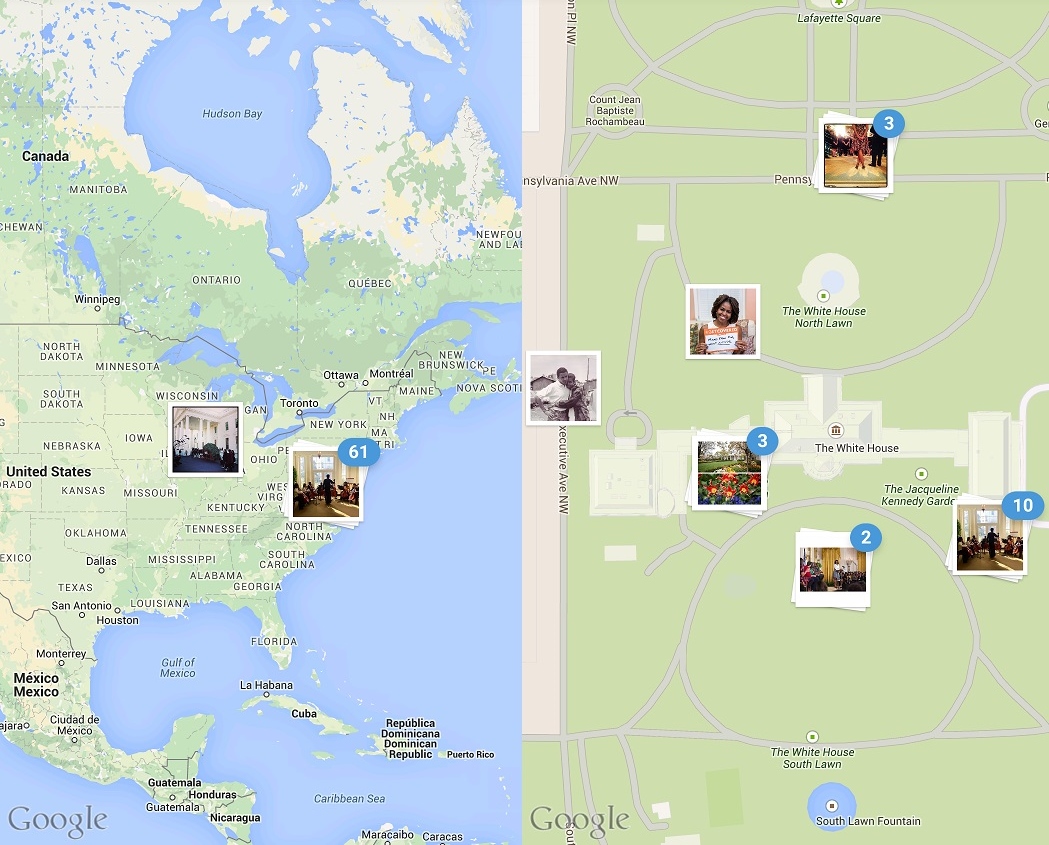
The filters used by this app, owned by Facebook, have become one of the celebs favorites! Even Michelle Obama, the First Lady of the United States, has an Instagram account! She –or her community manager- is making a mistake: sharing photos on Instagram and also sharing her location information.

obama instagram

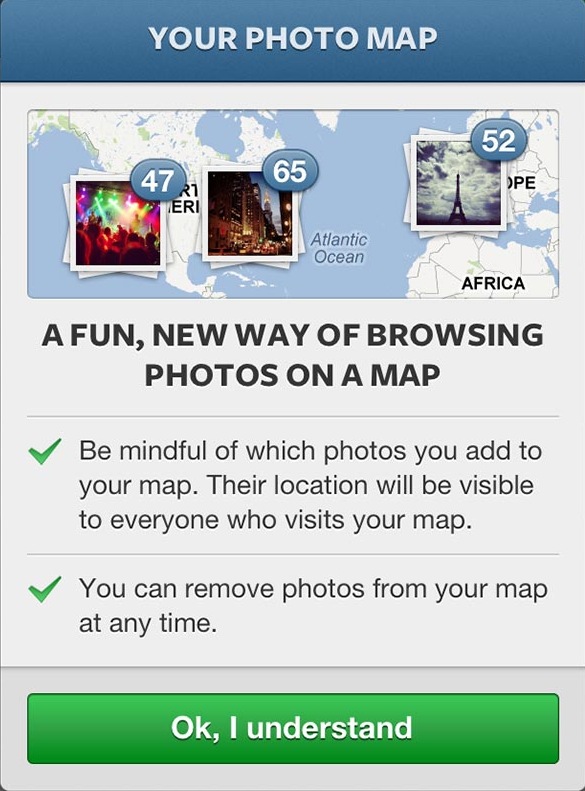
Is a feature available to all Instagram users when sharing a picture. In addition to using filters you can add your location to your picture, captured via your smartphone GPS. Instagram will pinpoint your images on a worlds map, depending where you took them or where you shared them (in case the spot is not the same and the information is not on the metadata of the picture).

instagram location


instagram map


What happened to the First Lady is not the only and not even the most dangerous incident that jeopardizes the security of an important person. After all, the majority of Michelle Obama’s pictures are located at The White House. As expected.

However, many other celebrities share their location, making it easy to any follower to stalk them, capturing where they upload their photos, their habits or the places they usually visit.

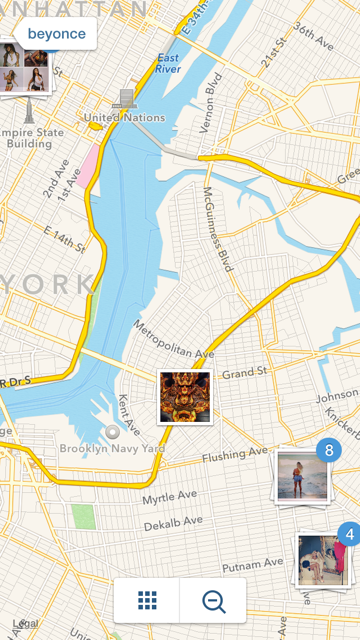
Another celebrity that shares her map with her followers is Beyonce, if one clicked in her profile one would be able to see where the picture was taken or uploaded.

Beyonce instagram

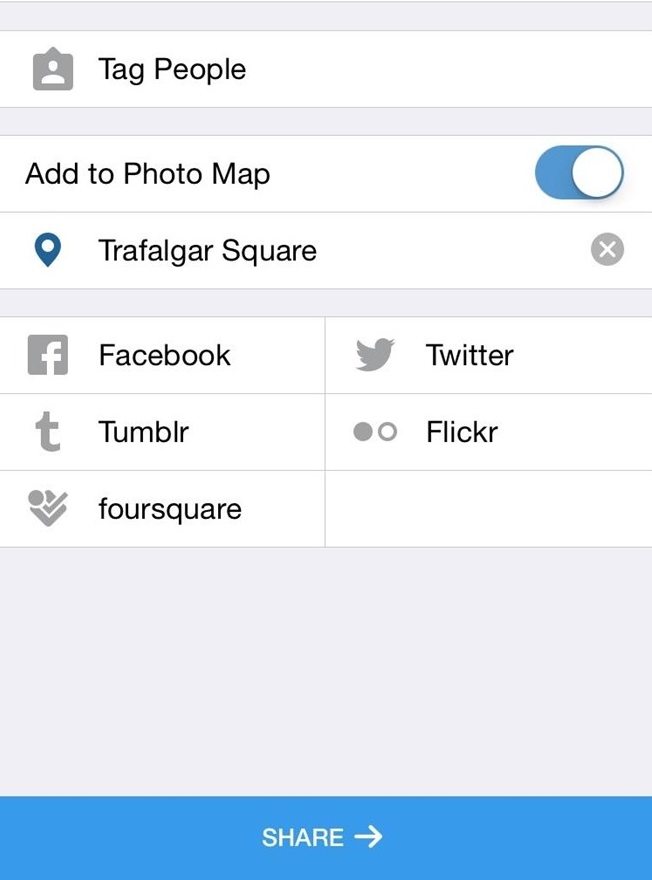
This information, which can only be seen from Instagram mobile app, is not shared by default. When uploading a photo on to this social network users can turn on the “Add to Photo Map” settings. Is by doing this, when followers are able to see where the picture was taken or uploaded.

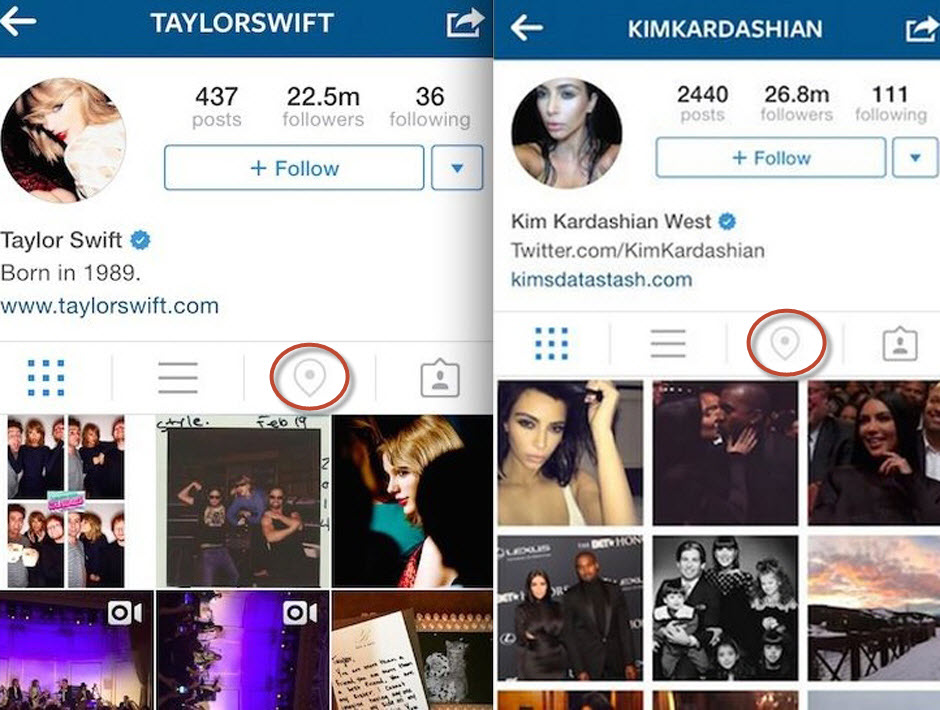
Nevertheless, not all celebrities share this information with the public. Tailor Swift and Kim Kardashian, for example, have this option deactivated. They are actively involved with their followers but don’t take the risk of having thousands of fans monitoring their pace. Keeping their favourite places for themselves.

Kardashian instagram

Sharing your location with your followers may seem risky, but it is not activated by default. You already know how to avoid social networks sharing your location! But celebrities can erase their tracks if they regret leaving breadcrumbs on Instagram, so their followers are not able to follow their steps. Each user can erase the photos on his map by clicking on it, from the app and choosing the “Edit” option.

Please be careful! We are sure your followers are very grateful that you are always telling them where you are, but for your security’s sake, don’t!

The post Celebrities on Instagram. Are they putting their lives at risk? appeared first on MediaCenter Panda Security.

Information regarding an issue with the signature file in Panda Cloud Office Protection and Retail 2015

We inform you that we have had an incident with our signature file that might have affected our Panda Cloud Office Protection and Retail 2015 customers. This issue causes some files to be moved to the quarantine.

The signature file has already been replaced, so this situation should not recur. Nonetheless, we advise our customers not to restart your computer. At Panda Security we are working to restore the situation at the endpoint as soon as possible.

We apologize for any inconvenience this may have caused you. We will keep you informed at all times.

*** UPDATE – Wednesday, 21:20 (CET)

The solution which restores the quarantined files has been automatically deployed in all the affected products. We are working on a tool to be installed on those computers which require a manual installation of the solution. We will update the information as soon as it is ready.

http://www.pandasecurity.com/uk/homeusers/support/card?id=100045

The post Information regarding an issue with the signature file in Panda Cloud Office Protection and Retail 2015 appeared first on MediaCenter Panda Security.

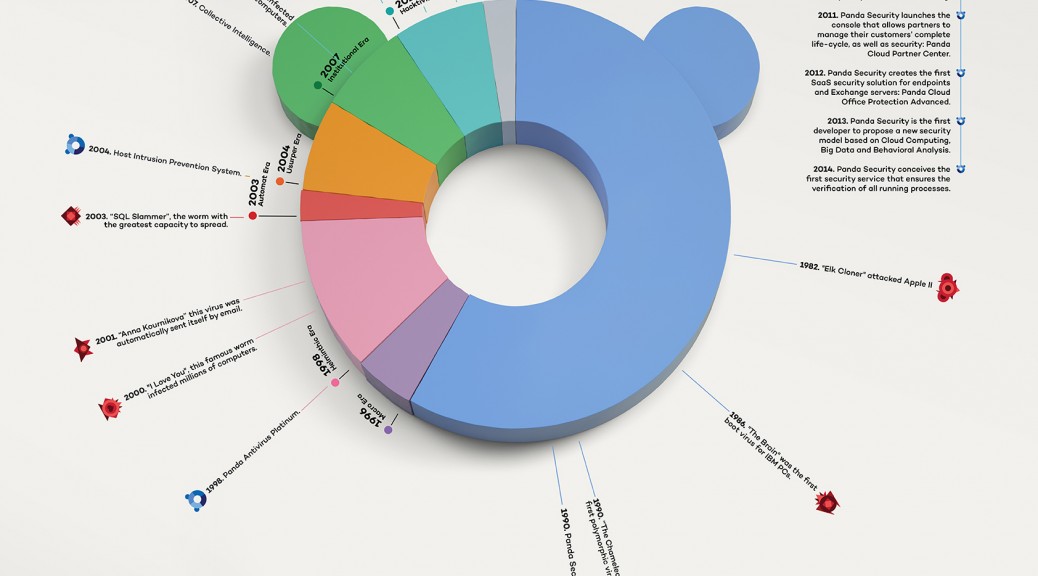
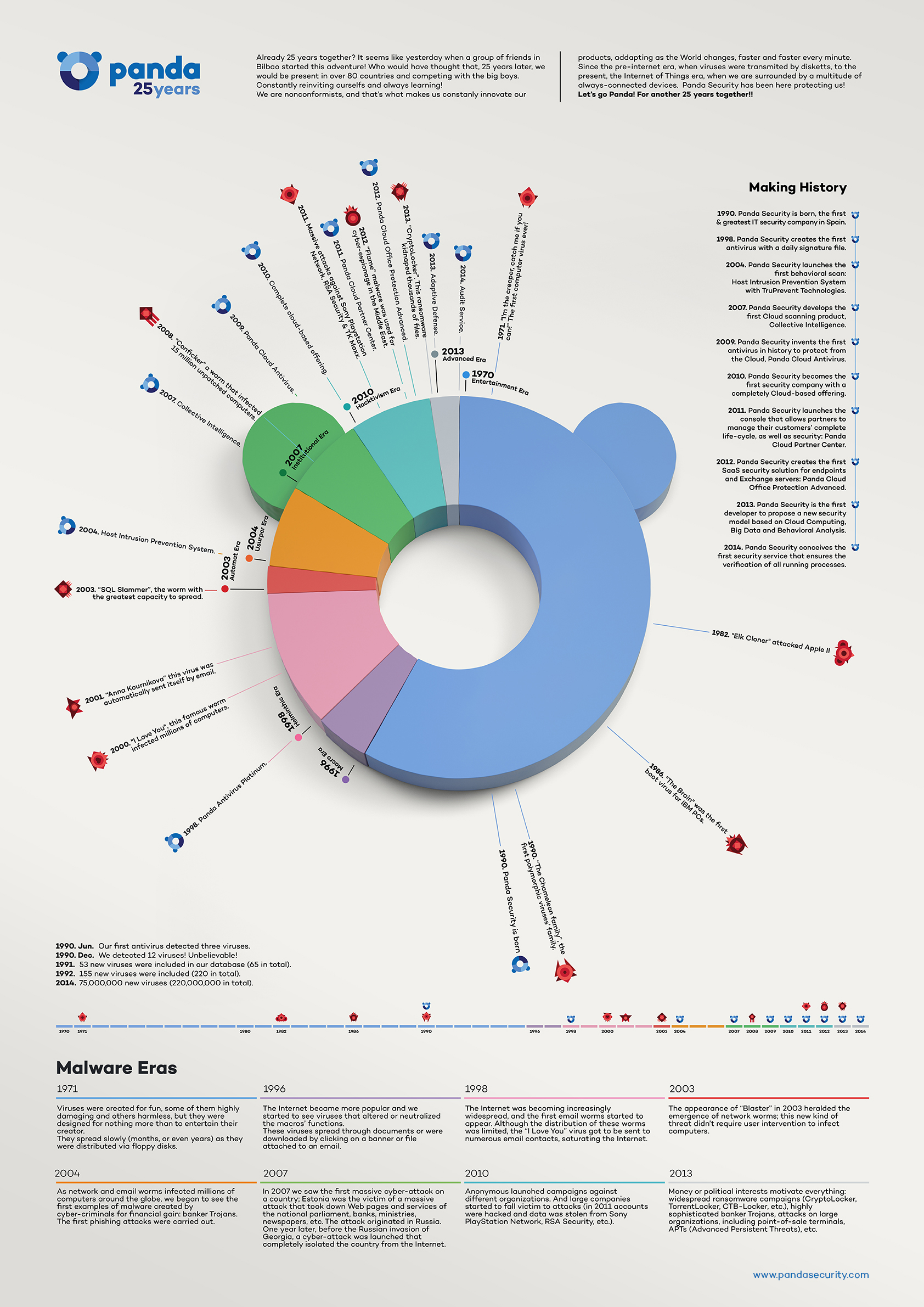
Panda Security: 25 years fighting against malware – Infographic

Already 25 years together? It seems like yesterday when a group of friends in Bilbao started this adventure! Who would have thought that, 25 years later, we would be present in over 80 countries and competing with the big boys. Constantly reinviting ourselfs and always learning! We are nonconformists, and that’s what makes us constanly innovate our products, addapting as the World changes, faster and faster every minute. Since the pre-internet era, when viruses were transmited by disketts, to the present, the Internet of Things era, when we are surrounded by a multitude of always-connected devices. Panda Security has been here protecting us!

Let’s go Panda! For another 25 years together!

panda security 25 years malware

Our technology

  • 1998. We lunch the 1st antivirus with a daily signature file.
  • 2004. We launch the 1st behavioral scan.
  • 2007. We develop the 1st Cloud scanning product.
  • 2009. We launch the 1st antivirus in history to protect from the Cloud.
  • 2010. We become the 1stsecurity company with a completely Cloud-based offering.
  • 2011. We launch a console for partners to manage their customers’ complete life-cycle & security.
  • 2012. We launch the 1st SaaS security solution for endpoints & Exchange servers.
  • 2013. We are the 1st developer to propose a disruptive security model based on Cloud Computing, Big Data and Behavioral Analysis.
  • 2014. We launch the 1st security service that ensures all running processes.

Malware Eras

  1. Entertainment Era: From 1971

Viruses were created for fun, some of them highly damaging and others harmless, but they were designed for nothing more than to entertain their creator. They spread slowly (months, or even years) as they were distributed via floppy disks.

  1. Macro Era: From 1996

The Internet became more popular and we started to see viruses that altered or neutralized the macros’ functions. These viruses spread through documents or were downloaded by clicking on a banner or file attached to an email.

  1. Helminthic Era: From the end of 1998

The Internet was becoming increasingly widespread, and the first email worms started to appear. Although the distribution of these worms was limited, the “I Love You” virus got to be sent to numerous email contacts, saturating the Internet.

  1. Automat Era: From 2003

The appearance of “Blaster” in 2003 heralded the emergence of network worms; this new kind of threat didn’t require user intervention to infect computers.

  1. Usurper Era: From 2004

As network and email worms infected millions of computers around the globe, we began to see the first examples of malware created by cyber-criminals for financial gain: banker Trojans. The first phishing attacks were carried out.

  1. Institutional Era: From 2007

In 2007 we saw the first massive cyber-attack on a country; Estonia was the victim of a massive attack that took down Web pages and services of the national parliament, banks, ministries, newspapers, etc. The attack originated in Russia.

One year later, before the Russian invasion of Georgia, a cyber-attack was launched that completely isolated the country from the Internet.

  1. Hacktivism Era: From 2010

Anonymous launched campaigns against different organizations. And large companies started to fall victim to attacks (in 2011 accounts were hacked and data was stolen from Sony PlayStation Network, RSA Security, etc.).

  1. Advanced Era: From 2013

Money or political interests motivate everything: widespread ransomware campaigns (CryptoLocker, TorrentLocker, CTB-Locker, etc.), highly sophisticated banker Trojans, attacks on large organizations, including point-of-sale terminals, APTs (Advanced Persistent Threats), etc.

Want to share this infographic? Here is the code!

The post Panda Security: 25 years fighting against malware – Infographic appeared first on MediaCenter Panda Security.