Category Archives: Antivirus Vendors

Antivirus Vendors

Tony Anscombe and Maddie Moate discuss Internet Safety

It’s also united me with Maddie Moate, a presenter and YouTube Educator who I had the pleasure of working with last year during the NSPCC / Child Helpline International Youth Shadow Conference.

To mark Safer Internet Internet Day, Maddie and I thought it would be great to discuss and raise awareness of some of the key issues – and potential solutions – to ensure everyone can enjoy a safer Internet experience at home, or when out and about.

In this short video below you’ll hear us discuss how parents can make sure the family is protected online, safer practices when using social media, ways to broach the subject of online safety with your children and much more.

You can find us both on Twitter too – @tonyatavg & @maddiemoate

Video

Internet Safety for Children with Maddie Moate


Grandparents share great advice for a Safer Internet

Technology has made it easier than ever before for extended families to connect with loved ones.

According to our most recent AVG Digital Diaries study among Boomers and Seniors, half of those surveyed who have grandchildren feel technology makes it easier to communicate with them.

They are utilizing email (50%), texting (40%), and video conferencing tools like Skype (35%) –to communicate over all distances.

As we celebrate Safer Internet Day around the globe, it is also encouraging to see that the grandparents we surveyed are also taking an active role creating a safer Internet for their grandchildren.

In our survey, we clearly noted grandparents are weighing in and contributing to safer Internet habits for young family members.

The research shows that one in two grandparents are vocal in encouraging their grandchildren to:

  • Not share too much information online
  • Avoid visiting dangerous sites
  • Talk to an adult if anything upsetting happens online.

Grandparent have recognized that today’s children and grandchildren face a vastly more connected world than the one they knew growing up and this is reflected in the advice that they told us they were sharing.

Among the prominent advice being administered by grandparents:

  • Remember that everything you post online has the capacity remain there forever (44%).
  • Be kind when posting comments or talking to people online (31%) – because what is said online has consequences.
  • But also, never mind what people say online (19%). Or as Taylor Swift might say: Shake it off. :)


Importantly, grandparents also advised for their grandchildren not to spend too much time online (44%). As easy as technology makes staying in touch — there is no substitute for real life.

All the more reason for families, and all of us really, to consider factoring in some regular—and positive—digital time-out. What better place to start than tonight at the dinner table?

Here’s to a better and safer Internet for our children, grandchildren, and all of us –today and everyday.

6 tips for safe Web browsing

protected computer

Today, February 10, is Safer Internet Day. Therefore, we want to share with you some tips for safer browsing.

Most of the time, when you browse the Internet, shop online or simply check your bank accounts, all you need is a little common sense and these guidelines to keep all of your devices free from viruses and threats. 

6 tips for safe Web browsing


1. Shop online with caution

When shopping online make sure that the site’s URL is the same as the website you think you are browsing and that the address starts with HTTPS. Do not forget to check the privacy policy.

2. Keep your antivirus updated

Android, Windows, Mac… When browsing the Internet it is essential that your device is secure and updated. There is specialized malware for each of them and therefore, it is vital to have an antivirus software to protect your identity online and that of your family.

3. Use a known Wi-Fi network

It is very convenient to connect to networks in bars, shopping malls or stores but bear in mind that they are not usually very secure. The data packets transmitted over public connections can easily be intercepted by hackers or cyber-criminals.

4. Keep an eye on your inbox

When you receive an email from an unknown sender, do not click on the links or attachments. Similarly, do not respond to these emails providing personal data or login details for different accounts.

5. Talk to your children

Children use smartphones and tablets just as easily as adults and this is good, provided that they know what they should not do. Above all, it is very important for adults to supervise their online activity.

6. Look after the ‘Internet of Things’

There are many Internet-connected home appliances: televisions, microwaves, security systems… The best thing you can do is keep the operating system updated.

And remember that you should put these tips into practice every day of the year, not just today. :)

The post 6 tips for safe Web browsing appeared first on MediaCenter Panda Security.

Internet of Things still not taking privacy seriously

It seems that companies developing the connected devices that make up the Internet of Things are in a constant race to release new technologies while potentially compromising on privacy.

It emerged this week that certain models of Samsung’s smart TVs are able to record conversations while voice recognition is active.

Samsung’s Terms and Conditions read:

“Samsung may collect and your device may capture voice commands and associated texts so that we can provide you with Voice Recognition features and evaluate and improve the features.”

“Please be aware that if your spoken words include personal or other sensitive information, that information will be among the data captured and transmitted to a third party.”

So while voice recordings will only be made while the feature is active, the Terms and Conditions do state that:

“If you do not enable Voice Recognition… while Samsung will not collect your spoken word, Samsung may still collect associated texts and other usage data so that we can evaluate the performance of the feature and improve it.”

I have blogged and spoken on privacy and the Internet of Things several times and it is disappointing to find that privacy and security are still not part of the design process for most consumer IoT devices.

First, in 2013 I highlighted the amount of data that is being generated by each and every user of connected devices, often without their knowledge or understanding.

Then, in 2014 I revealed how voice activated technology could be used to manipulate devices into executing unauthorized commands such as sending emails, or controlling a smart TV.

Video

How Voice Activated devices can be hacked


Here we have the two issues combined into one

  • End users are likely unaware that their data is being collected while using the voice command feature. Likewise they don’t understand that this data is used and shared.
  • The dangers of voice activated technology and how they can be used in potentially harmful ways. If you entered sensitive data such as a password via voice recognition, it may seem safe. Voice command records can be stored and stolen just like written files.


Users may not understand that while Samsung’s privacy policy contemplates the use of active voice commands, voice activation features can be used both actively and passively, meaning that devices can be constantly recording sound and identifying activation commands.

There is, as such, a potential for privacy issues here.

It’s about time that manufacturers of smart devices started taking the privacy and security of its users seriously. Only a few weeks ago a wireless baby monitor was hijacked and the attacker communicated directly with the nanny through the device.

After CES 2015, I commented that privacy should be at the very heart of the Internet of Things, a sentiment echoed by the FTC and its Chairwoman Edith Ramirez in their report on the Internet of Things.

Hopefully, it will not be too long before the public and electronics producers realize that going online should not mean surrendering your privacy.

Making the web a more positive place this Safer Internet Day

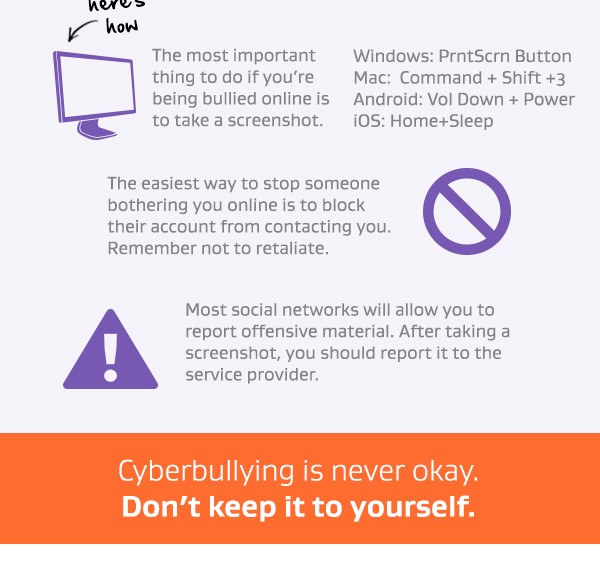
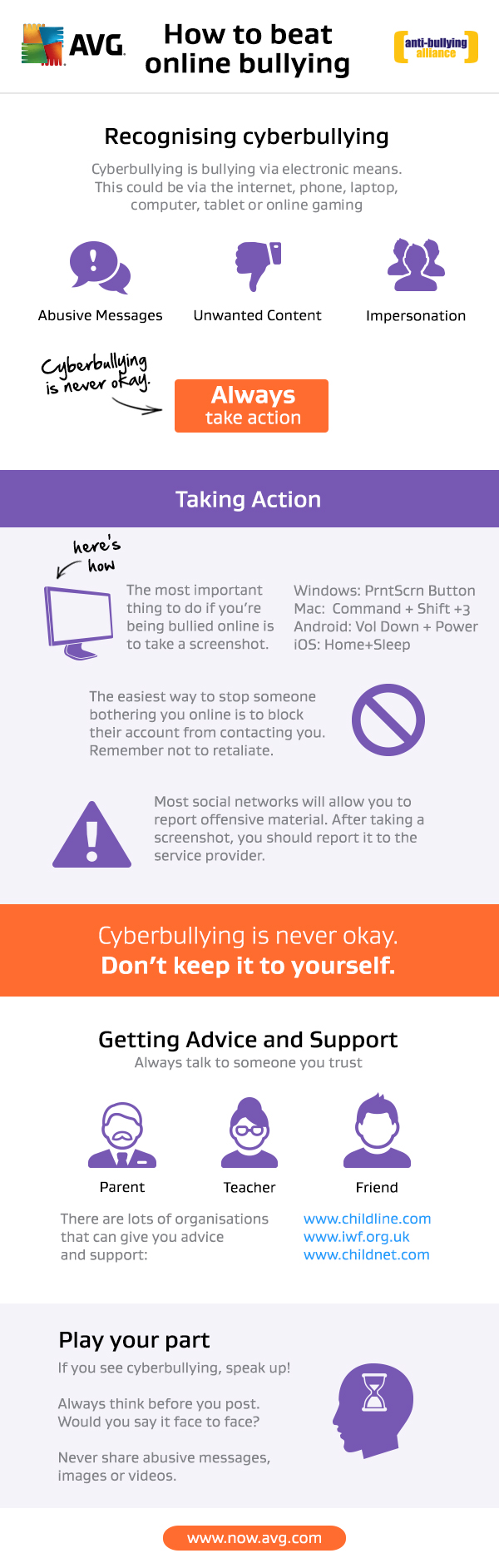
This blog has been written by the Anti-Bullying Alliance, a part of The Children’s Bureau charity in the UK. To celebrate Safer Internet Day 2015, AVG has teamed up with the Anti-Bullying Alliance to create a graphic designed to help anyone who may be experiencing cyberbullying.


It seems like a lifetime ago but many of us at the Anti-Bullying Alliance can still remember a pre-Internet world. There were few computers and certainly no smartphones.

Once you left the house you had to print a map of where you were going and hope that the person you arranged to meet would actually turn up.

Fortunately, now we have the Internet and it’s infinite different uses. Looking around, it is hard to find a part of our day to day lives that hasn’t been touched by the world wide web.

However, as is so often the case, with great power comes great responsibility. The Internet gives us an incredible window into the world but it’s up to each of us that we use the net responsibly.

The Anti-Bullying Alliance is all about working to make the Internet a safe and positive place to be. But with recent stories in the press about antisocial behaviour on social media sites it’s no wonder parents and schools are concerned about keeping young people safe from cyberbullying.

Cyberbullying is a significant issue facing young people today, and according to Safer Internet Day research in 2013, as many as 41% of 7–11 year olds knew someone who had been cyberbullied

That’s why we’ve created some tips in the infographic below with AVG to support Safer Internet Day 2015.

Don’t forget that the biggest impact we can have to reduce cyberbullying is to model kindness and respect both online and off – stay safe, fun and connected.

You can follow the Anti-Bullying Alliance on Twitter @ABAonline


Safer Internet Day Cyberbullying Graphic


Attack of the QR codes

Give it a try with your mobile!
Don’t worry, no barcode on this blog post is malicious

Scary attack underway!

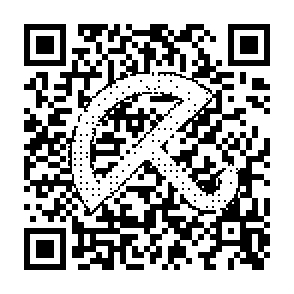
This image is a Quick Response code.

You’ve probably seen one before, as it’s often used to store website addresses to be scanned from a mobile, so that no one has to type the whole address manually.

The obvious risk with QR codes is that they can lead you to a malicious address, for infection or phishing – make sure your scanning app lets you confirm the URL!

the “secret”

However, this QR code hides a secret: it actually contains another barcode (of a different type), inside the QR code. It could be malicious. Not all applications will see it, but some will: very sneaky!

a QR code with an inner barcode

This is the… Attack of the QR codes !!!
(~ scary music playing ~)

How is it possible?

Barcodes use Error Correction, so that even if they are torn or badly printed, the information can be recovered. Even if you overwrite a part of the picture, it may still be valid:

a QR code with an overwritten center

a QR code with an overwritten center


So, in the middle, you can put another kind of barcode, that might still be readable, and will not necessarily be clearly visible to you:

a DataMatrix barcode

a DataMatrix barcode

So, be really careful, and really double-check before scanning, and then validating!

A bit more knowledge

  • to learn: the Wikipedia page has many technical details, nicely explained.
  • to experiment: an online generator, and an online decoder
  • to explore: an impressive halftone QR codes generation technic (the image is IN the barcode, not over the barcode)
    the Avira logo IN a QR code
  • the original paper presenting this QR code attack, with detailed experiments
    "QR Inception" academic paper

The most important part

In 2015, every security risk needs a logo, so here it is:

(let's see how many people say that there is a typo)

Attack of the Q(ille)R codes

The post Attack of the QR codes appeared first on Avira Blog.

Mobile Crypto-Ransomware Simplocker now on Steroids

In June 2014, we told you about mobile ransomware called Simplocker that actually encrypted files (before Simplocker, mobile ransomware only claimed to encrypt files to scare users into paying). Simplocker infected more than 20,000 unique users, locking Android devices and encrypting files located in the external storage. Then, it asked victims to pay a ransom in order to “free” the hijacked device. It was easy to decrypt the files affected by this variant of Simplocker, because the decryption key was hardcoded inside the malware and was not unique for each affected device.

Dangerous unique keys
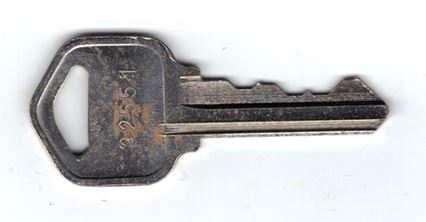
keyBut now there is a new, more sophisticated variant of Simplocker in town that has already infected more than 5,000 unique users within days of being discovered. The reason why this variant is more dangerous than its predecessor is that it generates unique keys for each infected device, making it harder to decrypt infected devices.

To use an analogy, the original variant of Simplocker used a “master key” to lock devices, which made it possible for us to provide a “copy of the master key” (in the form of an app, Avast Ransomware Removal) to unlock already infected devices. The new variant however, locks each device with a “different key” which makes it impossible to provide a solution that can unlock each infected device, because that would require us to “make copies” of all the different “keys”.

Why would anybody install Simplocker?!

The reason why people install this new variant of Simplocker is because it goes undercover, meaning people don’t even realize that what they are installing is ransomware!
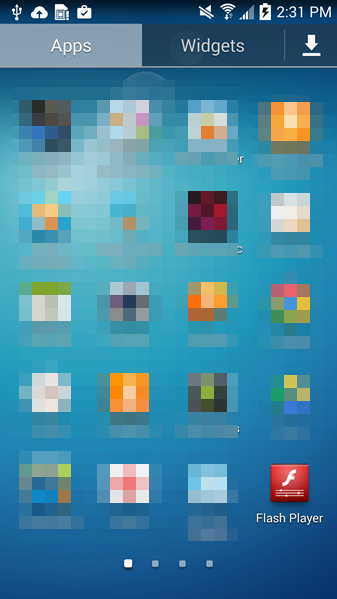
Fake Flash

Tricky Simplocker pretends to be a real app.


In this case, the new variant of Simplocker uses the alias “Flash Player” and hides in malicious ads that are hosted on shady sites. These ads mostly “alert” users that they need Flash Player installed in order to watch videos. When the ad is clicked on, the malicious app gets downloaded, notifying the user to install the alleged Flash Player app. Android, by default, blocks apps from unofficial markets from being installed, which is why users are notified that the install is being blocked for security reasons.
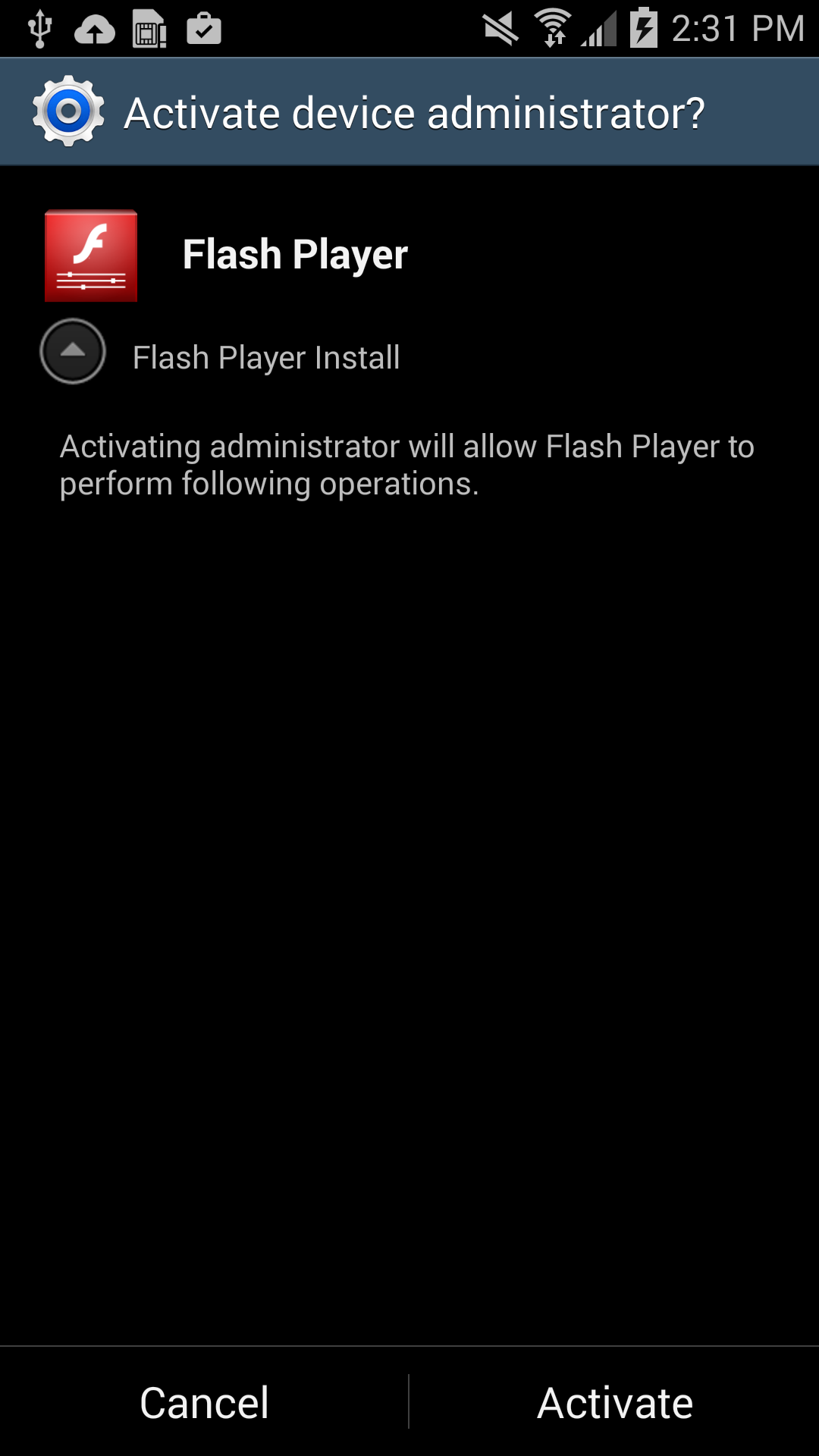
Device Admin Request


Users should listen to Android’s advice. However, users can go into their settings to deactivate the block and download apps from unknown sources. Once installed, a “Flash Player” app icon appears on the device and when it is opened the “Flash Player” requests the user grant it administrator rights, which is when the trouble really begins.

As soon as the app is granted administrator rights, the malware uses social engineering to deceive the user into paying ransom to unlock the device and decrypt the files it encrypted. The app claims to be the FBI, warning the user that they have found suspicious files, violating copyright laws demanding the user pay a $200 fine to decrypt their files.
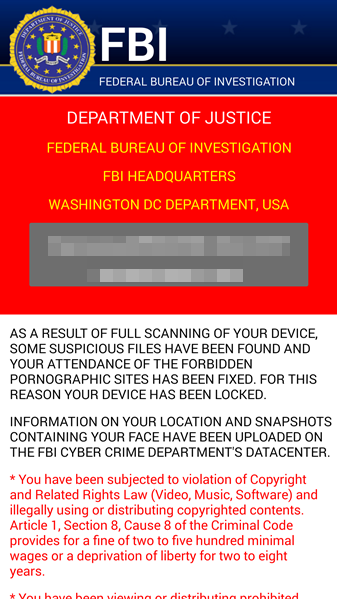
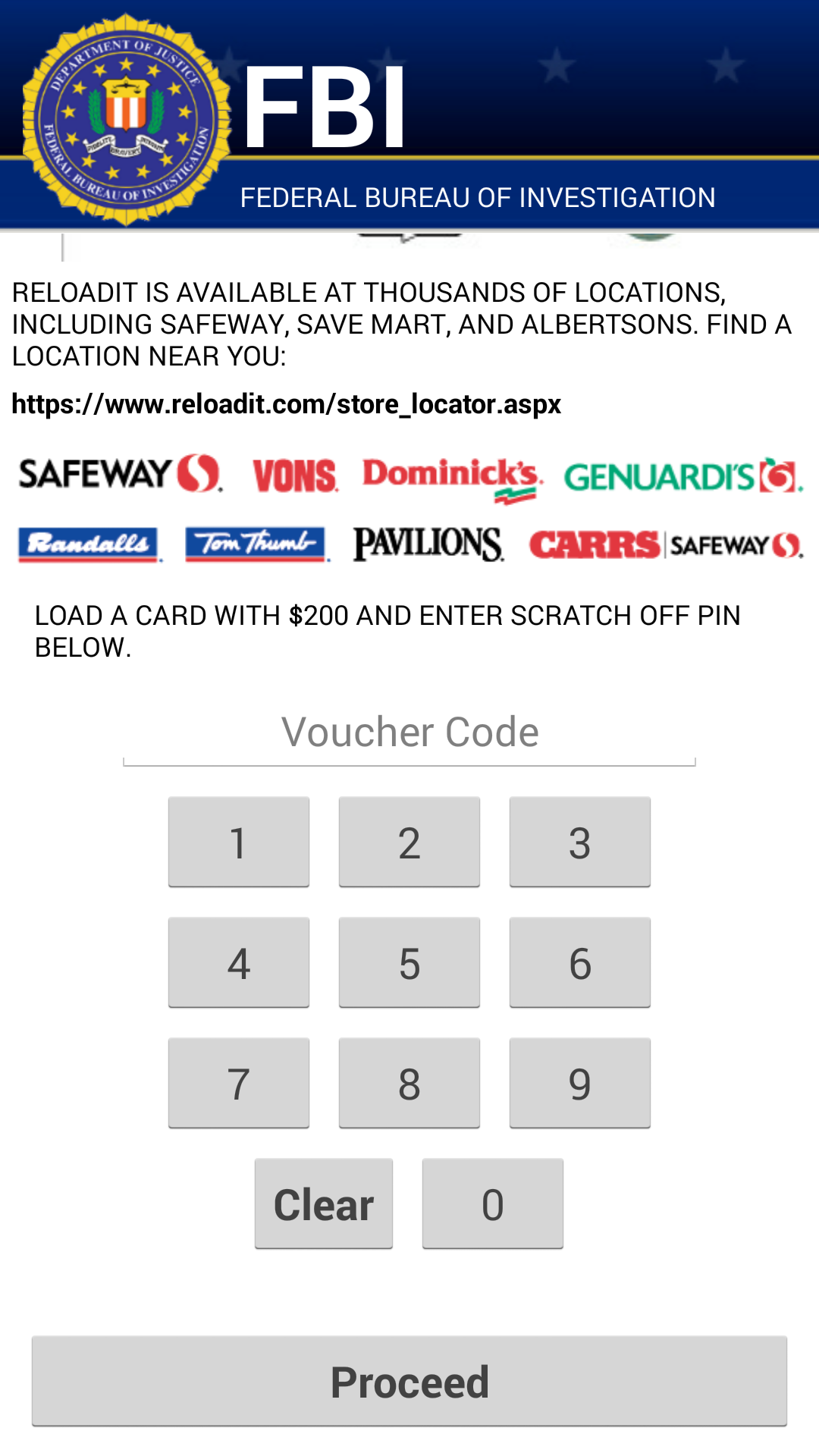
device-2015-02-05-143216  FBI warning is an example of social engineering

What should I do if I have been infected?

We do NOT recommend you pay the ransom. Giving into these tactics makes malware authors believe they are succeeding and encourages them to continue.

If you have been infected by this new strain of Simplocker, back up the encrypted files by connecting your smartphone to your computer. This will not harm your computer, but you may have to wait until a solution to decrypt these files has been found. Then boot your phone into safe mode, go into the administrator settings and remove the malicious app and uninstall the app from the application manager.

Avast protects users against Simplocker

Avast Mobile Security protects users against both the old and new variant of Simplocker, the new variant is detected as: Android:Simplocker-AA.

A more technical look under the hood:

As the fake FBI warning is being shown to users, the malware continues working in the background, doing the following:

    • The malware decrypts the internal configuration in order to get information like C&C (command and control) commands, the extensions to encrypt, and which users should communicate through Jabber to get the private configuration.
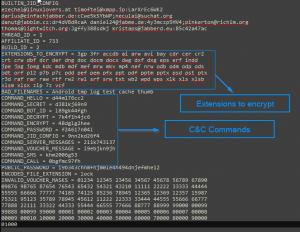
2015-02-05_17-26-17

Internal Config

  • The malware communicates to the server every 60 minutes. Upon the first communication with the server it sends data like: BUILD_ID, AFFILIATE_ID, IMEI, OS, OperatorName, PhoneNumber, and Country to identify the device. Furthermore it checks whether the files have been encrypted or not. Also if a voucher has been entered, it sends back the type and the code. All the data that gets sent back to the server is formatted as: Base64 ( CRC(data) + MalwareEncryption(data) )
  • The data that is received by the server (private config) is saved into file <name>.properties in the root external storage folder of the device.

Command and Control (C&C)

The malware communicates with the C&C server through the XMPP protocol and Jabber.

graphserver

Communication with the C&C

The malware opens the connection in one of the JIDs (Jabber IDs) that can be found in the internal config (ex. [email protected]:LarXrEc6WK2 ).

2015-02-05_13-20-34

The connection is established  to the domain server (xmpp.jp)., then uses the username (timoftei) and the password (LarXrEc6WK2) to authorize itself. After authorization it tries to get the buddy list (roster) of the user. Each of the buddies are compared with the internal list, from internal config, in order to find the “master JID”, possibly the one user that will send back the data (private config) to the malware. After this process, the data is parsed and saved into the file <name>.properties  in the root external storage folder of the device.

After the retrieval of the private config the malware starts encrypting files.

SHA-256 Hash List:

  • 4A0677D94DD4683AC45D64C278B6E77424579433398CA9005C50A43FBBD6C8C2
  • 8E9561215E1ACE91F93B4FAD30DA6F368A9E743D3BE59EA34061ECA8EBAB1F33
  • 93FE7B9212E669BCF443F82303B41444CFE53ACEF8AC3A9F276C0FD2F7E6F123