
Category Archives: Antivirus Vendors

Antivirus Vendors

Panda Security Scoop Advanced Award from Computing

panda-security-award

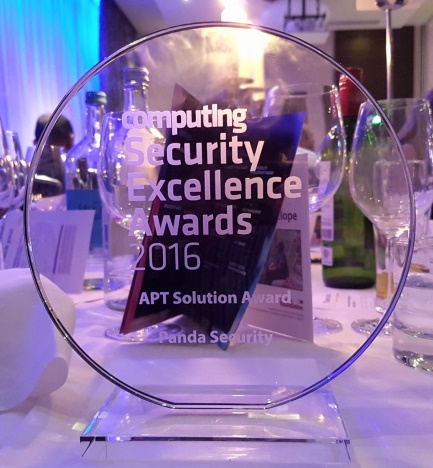
Panda Security were delighted to attend Computing’s Security Excellence Awards 2016, held in the heart of London on 24th November, and took home one of the major prizes with Adaptive Defense named best solution against Advanced Persistent Threats.

This first award ceremony from the UK’s leading business technology publication Computing, celebrating achievements of the IT industry’s best security companies, was attended by hundreds of industry notables and disruptors alike.
prize pandaAs well as some mind-melting table magic the audience were amazed by ‘pretty fly’ compère Chris Turner who took suggestions and items from the audience merging them seamlessly into hilarious improv’ raps.

Amongst those handed out on the night, of special note was the award for Advanced Persistent Threat Solution, as stealthy attacks are becoming increasing more common against organisations, requiring solutions to be one step ahead of the game at all times.

Fending off stiff competition in this hotly contested category from Darktrace, Barracuda and Illusive Networks, Panda Security was announced the overall winner with their Adaptive Defense Solution, with the award accepted by Tony Lee, Managing Director of Panda Security UK & Ireland.

The award was judged according to functionality, differentiation and adoption, and the winner Adaptive Defense is just the latest result of innovation from Panda Security designed to work alongside existing security solutions and protect against APTs and other advanced threats such as Ransomware.


For more information on Panda Security’s solutions visit http://www.pandasecurity.com/enterprise/

Congratulations to all Finalists and Winners at this first ever Computing Security Excellence Awards, we are excited for next years’.

The post Panda Security Scoop Advanced Award from Computing appeared first on Panda Security Mediacenter.


Anticipate the risk of your employees getting a new phone for Christmas

cybersecurity-mobile-panda

As we enter the Christmas period, many of your company’s employees will be deciding to change their phones in the coming months. Something as simple and seemingly harmless as a gift (or a purchase from the Black Friday sales) could actually be putting your business security at risk, especially if it encourages workers to use their own smartphones for work.

As such, the idea of BYOD (Bring Your Own Device), if not properly managed, can compromise the confidentiality of corporate information when any member of staff decides to change device. Not just because your employees’ new devices do not have adequate protection, but because of where their previous phones may end up, and the data they may have inside.

In fact, it is essential to make your company’s employees aware that they must completely wipe all information stored on their old phone before they get rid of it. Although it is not unusual to sell old devices when buying a new one, this operation involves certain risks that must be avoided.

Before selling a cell phone it is essential to completely delete all information stored on it.

After all, the device in question may have confidential documents stored in its memory or, worse still, could still enable access to the email accounts of its former owner, and allow a complete stranger to access company resources. In addition to all of this, of course, there is the personal and equally private information that an individual could have stored on the phone.

So not only is it important to ensure employees have adequate security on their phones, but also to explain how to handle the sale of an old one. To begin with, you need to back up everything stored on your phone and also remove the memory card and SIM.

Once this is done, both Android phones and iPhones offer a way to permanently delete everything stored on them. This is the option that lets you restore the factory settings, which you can find in the settings of both operating systems.

Any device that stores company data must be sold without any confidential information. This is the best way to prevent a simple Christmas gift from catching out the owner of the new phone (or the company that employs them). However, should anyone forget to delete this data, it is always possible to remove it remotely, thereby eliminating everything that the phone contains even if it has already been sold. Yet this should only be an emergency plan should all else fail.

The post Anticipate the risk of your employees getting a new phone for Christmas appeared first on Panda Security Mediacenter.
Popular call blocking apps expose 3 billion users' phone numbers

FW-APPS-PRIVACY.jpgPhoto: FactWire

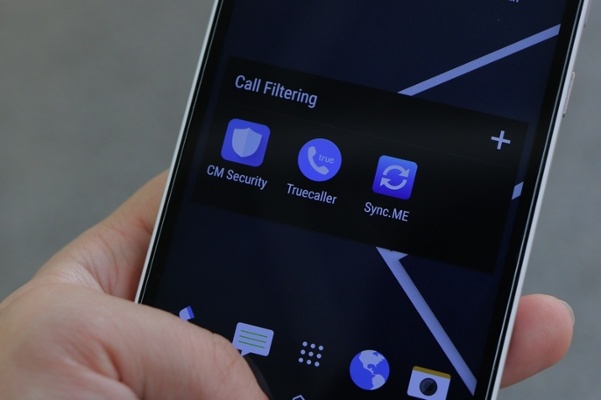
Truecaller, CM Security, and Sync.ME, three popular caller blocking and ID apps used by millions of customers, have just been outed for storing the contact details of three billion people in publicly searchable databases. According to Digital Journal, research published earlier this week by Factwire, a group of investigative journalists in Hong Kong, said that the mobile phone numbers of politicians, celebrities, and billions of other people, can be found via searches on the app publisher’s websites.

Malicious office printers could hijack employees’ cell phones

panda-security-printer

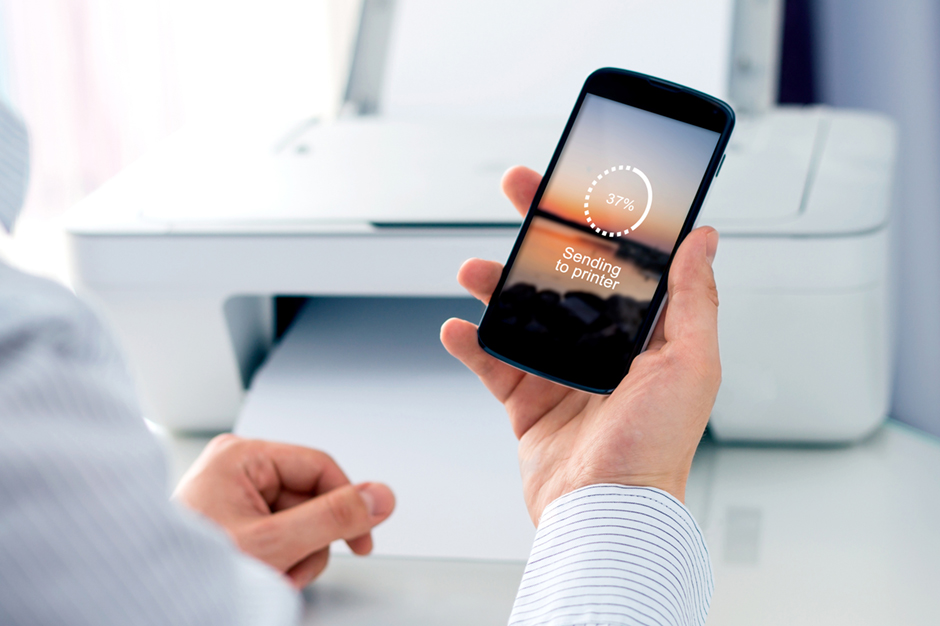
At first glance it is just another printer; one of those big machines that sits against the wall of thousands of offices around the country, turning blank sheets of paper into corporate documentation. And as inoffensive as it may seem, just another piece of office furniture, it can become a threat to your company’s confidentiality. While your printers and networks can become one your most vulnerable security holes, the one created by the ‘hacker’ Julian Oliver is quite simply a spy.

Every time you make a call on your cell phone, the device connects to the nearest phone antenna. What Oliver has managed to do is to camouflage a similar antenna inside an everyday office printer.

In this way, the device can intercept all calls made or received from an office, thereby allowing an attacker to spy on conversations or read SMS messages.

In this case, however, there is nothing to be afraid of. This has simply been an experiment through which Oliver has tried to draw attention to the importance of using communication tools with end-to-end encryption, such as the Signal messaging app recommended by Edward Snowden himself.

Yet the fact that is only a demo shouldn’t detract from the lesson to be learnt. In the strategy used by Oliver, every time a phone connects to the antenna camouflaged in the printer, the device sends an SMS. If the recipient responds to any of these messages from an unknown number, the printer prints the SMS message and the ‘victim’s’ phone number, thereby revealing the scam.

What’s more, the printer is programmed to make calls to the phones that connect to its antenna. If someone answers, all they will hear is a Stevie Wonder song. A practical joke that lasts some five minutes; after this time, the printer disconnects the phone from the antenna, allowing it to connect to the genuine mobile network. In the event of a real attack however, the consequences won’t be as entertaining, nor the scare so brief.

Oliver’s experiment serves to remind us of the fragility and vulnerability of the communication networks we use every day. A simple Raspberry Pi motherboard and two GSM antennas would be enough to enable an attacker to camouflage an antenna in a printer and spy on all of a company’s phone conversations and steal confidential corporate information.

The post Malicious office printers could hijack employees’ cell phones appeared first on Panda Security Mediacenter.