Tag Archives: News

Vine celebrity hacked

The account, which had more than 285 million “loops” to date, was compromised and hackers deleted every video linked to the account.

The hack comes just days after Phillips was in the news for making a living off sponsored Vines. A report on the BBC claimed that he was making as much as £12,000 per six second clip.

While Phillips is working with Vine to try and restore his lost videos, it’s worth remembering that you don’t have to be a celebrity to be hacked.

Here are a couple of things you can do to help keep your online accounts safe from hackers.


Use Two-Factor Authentication

Two-Factor Authentication is a great way to protect your online accounts. By using a randomly generated code, sent to your email or phone, it makes it very difficult for hackers to gain access.

Video

What is Two Factor Authentication


Don’t use the same username across all accounts

Make sure that you use a different usernames across all your accounts so that if your credentials fall into the wrong hands, the risk is limited to only one site.

Also try not to use your real name in your username as this can help attackers verify your identity and be sure the account belongs to you.


Use a strong password

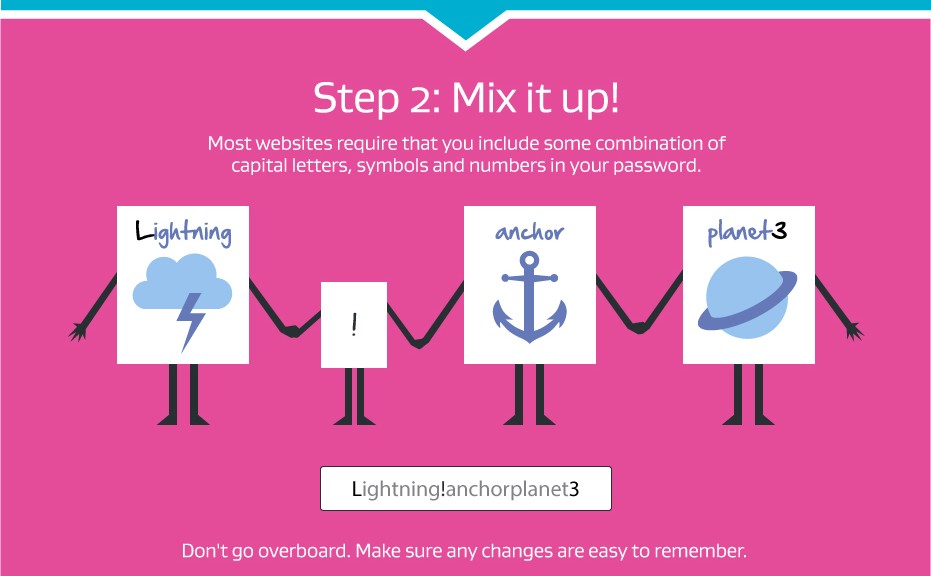
Passwords play a crucial role in protecting your online accounts from hackers. Here is a simple guide to creating a strong one:
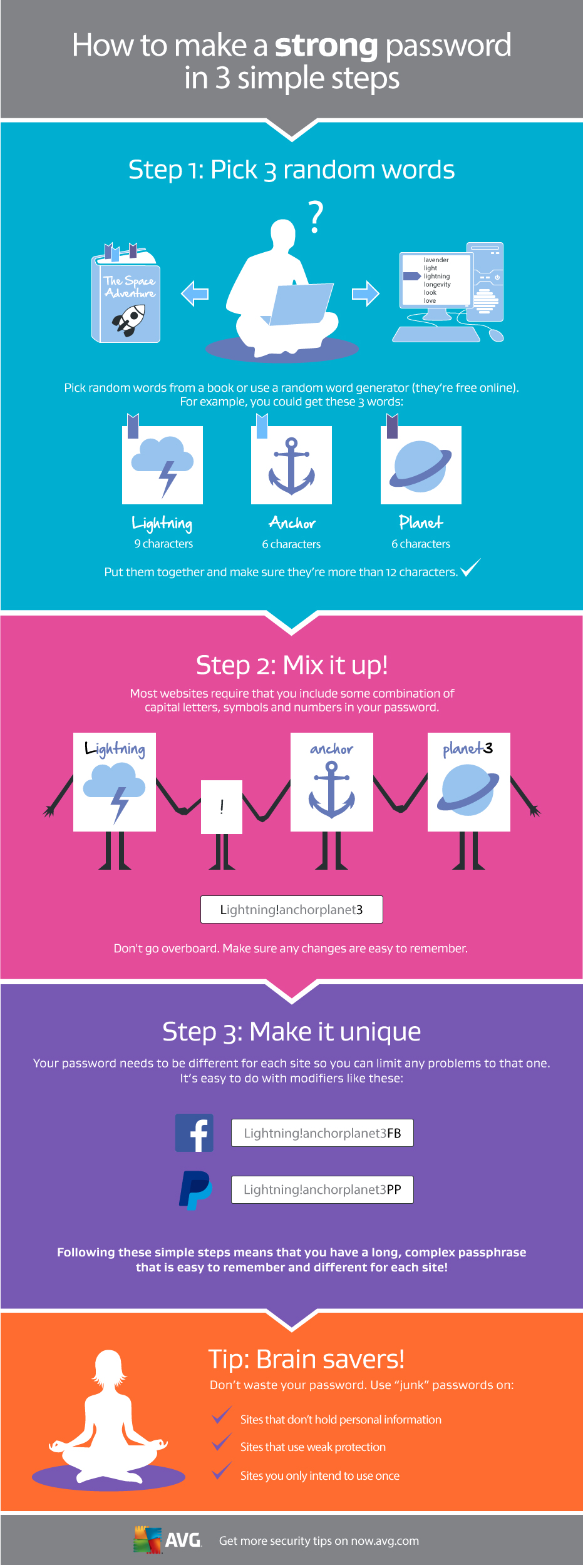

Making a Strong Password

Let’s ‘Make It Happen’ for Women in Tech

The first International Women’s Day was held in 1911. The day is actually celebrated worldwide, and not just on one day, but from late February through March and beyond.

This year, thousands of events are occurring to mark and encourage the economic, political and social achievements of women. Organizations, governments, charities, educational institutions, women’s groups, corporations and the media celebrate the day. The activities span the realm of possibilities for women, including women in tech.

Make it happen

There were more than 340 events scheduled to take place in the United Kingdom alone to celebrate International Women’s Day. For example, an event on March 6, focused on women’s work in creative and technology industries was scheduled in London’s tech hub.  And in a variation of Girls Who Code, in Luxembourg they were holding “Mums and Girls Code”– a fun introductory workshop in coding for mothers and their daughters.

Here in the USA, 186+ events were scheduled for International Women’s Day.  You can see a complete list here. The list of events is inspiring, promoting awareness, culture, and learning for women and girls across the nation. Many of the IWD events are also online, including webinars, for people who don’t have time to visit a particular event.

Later this March, I’m personally very excited to be speaking at SXSW Interactive on the subject of furthering women’s roles in technology.   My session at 3:30 p.m. March 14 (JW Marriott Room 407), “Boardroom or Baby: The Choices Women Have in Tech” will address closing the gaps in opportunities for women in technology and achieving work/life balance. If you can’t join in person, you can join the conversation at @judyatavg  #techwomen #SXSW.

Video

Boardroom or Baby?


It’s actually very encouraging to see that there are many conversations on the topic of women in technology scheduled for SXSW Interactive 2015: Among them:  “End To Brogramming” with Re/code and Elle.com, which takes place from 5-6 p.m. on March 13;  “Geek Girls Are Chic!” on March 15 by Girls Who Code and IBM, and “#OurTimeToLead: Why Tech Needs More Women” by the Anita Borg Institute on March 17. You can see the SXSW schedule here.

We’ve all done the math. But women in tech (or the lack of such) is not just a pipeline issue, it’s a retention issue and a culture issue as well. It’s encouraging to see major tech companies are recognizing this. It is for everyone’s own good: we need a smart tech workforce and can’t dismiss half the population, and on the consumer side, women represent significant adopters when it comes to technology.

So progress is happening. Good moves are being made. Though more must happen. I think International Women’s Day is a great day to see how far we have come, and serve a fantastic spark to light and then pass the torch to following generations to empower all women, our sisters and daughters.
Speak_IA

Watch out! WhatsApp Calling, the new WhatsApp scam!

whatsapp voice calls

Since WhatsApp announced that they were adding free voice calls to its services, cybercriminals have been trying to take advantage of it, and they have done it!

How are they doing it? Via a WhatsApp message wich invites the users to “try” the voice calls. If you get it, just ignore it!

Congratulations!! You’ve been invited to try Whatsapp Calling! Invite Your 10 Activate WhatsApp Friends to Activate Whatsapp Calling”.

whatsapp calling scam

Our collegues of Softonic have tried it and, obiously,  it turned out to be a scam. By clicking on the link you are redirected to a fraudulent site in wich after inviting ten friends you will be able to make voice calls via WhatsApp.

As you can imagine, by doing so, not only you won’t be able to call anyone, but you will be sending spam to those ten friends you chose!

We know you are eager to make calls via WhatsApp, but don’t be anxious! The safest way for installing this option will be when the own app informs you that you can make voice calls free of charge!

The post Watch out! WhatsApp Calling, the new WhatsApp scam! appeared first on MediaCenter Panda Security.

Gary Kovacs’ Keynote Speech at Mobile World Congress

In the address, Gary outlined AVG’s vision of a safer Internet for everyone. To achieve that, we must understand how digital technology, especially mobile, has impacted the ideas of identity and privacy.

The modern Internet has given rise to an economy based on collecting and monetizing user information.

As a result, the lives of consumers are more exposed now than ever before in history. Their actions online are being watched, even scrutinized, and not necessarily towards benevolent ends

Consumer data shows that more and more people are demanding trust, actively considering it when they choose whether or not to adopt a technology.

If we want to facilitate further development of technology and digital economy, we need to challenge our thinking again. It’s time for another revolution, a Trust Revolution.


AVG reaches 200 million active users!

Today I’m proud to announce that AVG now has more than 200 million active users globally.

To put that into perspective, if AVG were a country, it would be the sixth largest behind Brazil.

This is a very significant milestone for AVG and one that not many companies ever achieve. The last 18 months have been the fastest period of growth in the company’s history and we expect this rate to continue.

None of this would be possible without your incredible support.

Thank you and we are looking forward to the next 200 million!


Mobile World Congress In Pictures

Sunday

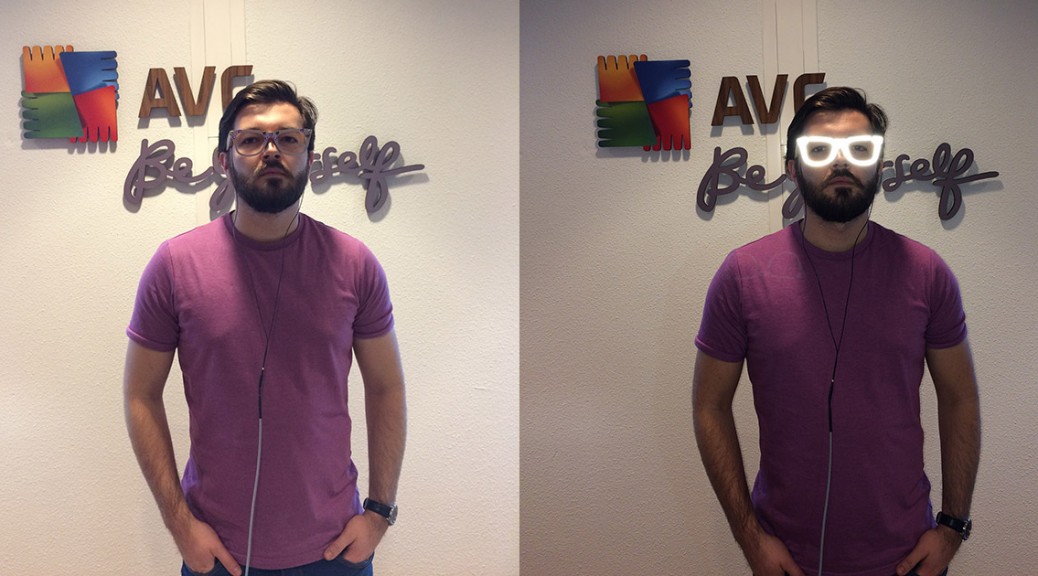
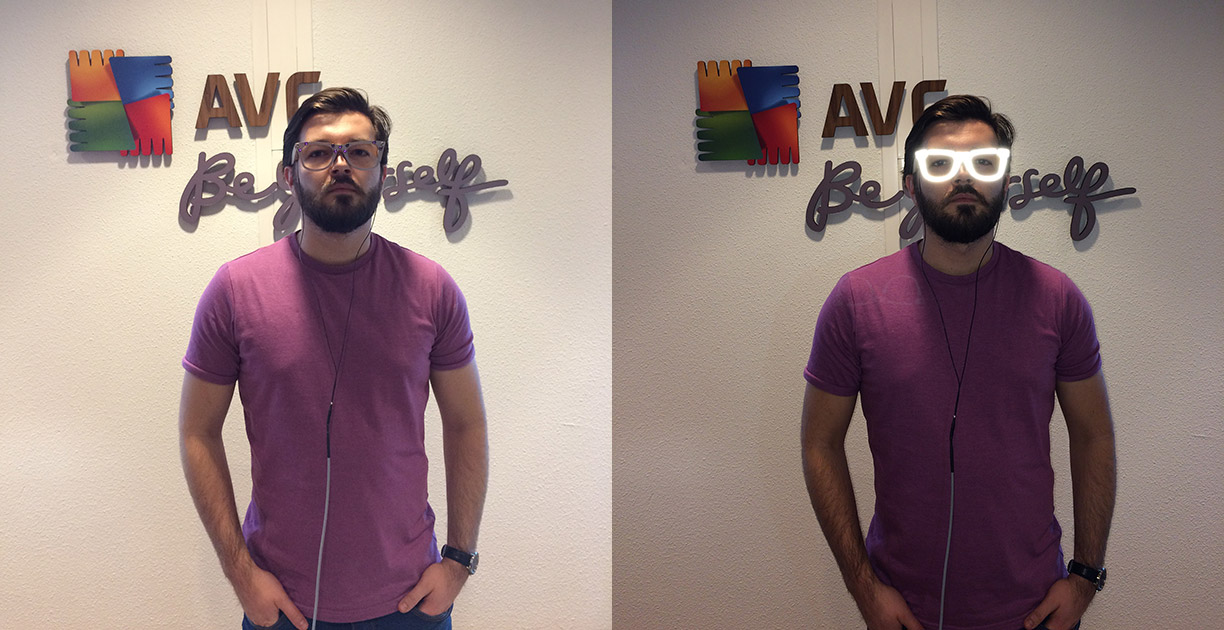
AVG revealed a pair of concept “Invisibility Glasses” at Pepcom the night before Mobile World Congress.

AVG Invisibility Glasses


Monday

HTC announced the release of the HTC M9 on the first day of the conference

HTC M9


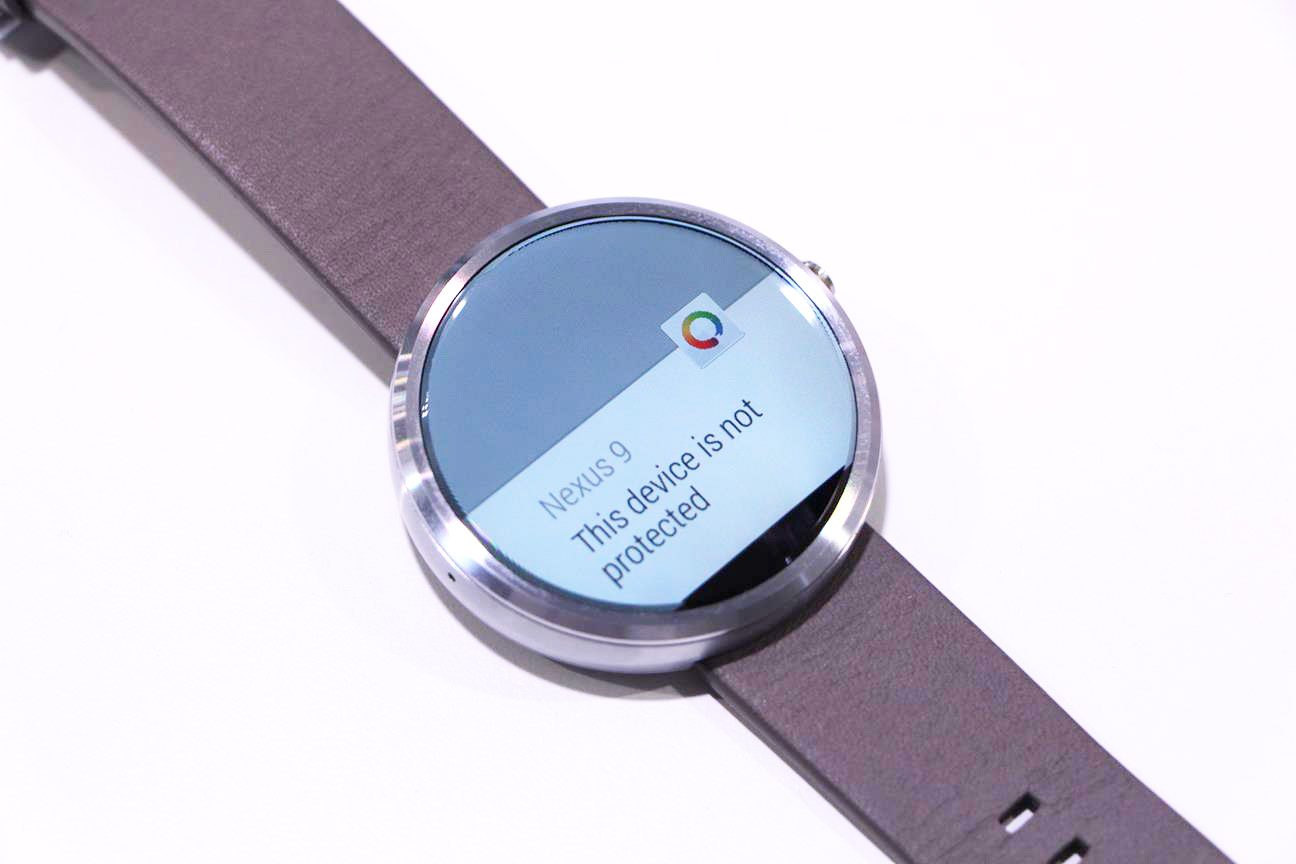
Smartwatches are present in all shapes and sizes this year


AVG is showcasing how AVG Zen can work across wearable devices

AVG Zen


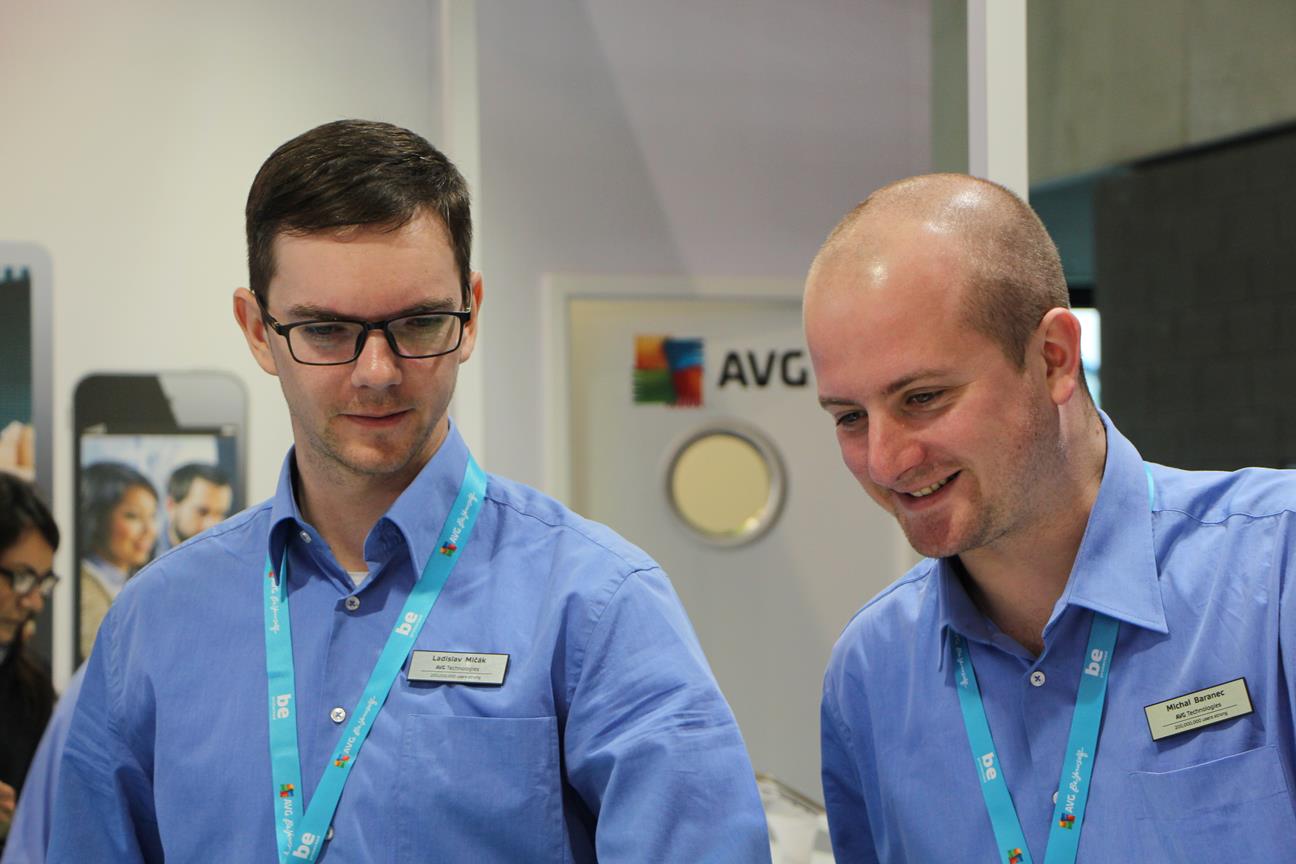
AVG experts are on hand to give visitors details on AVG products.

AVG Support Staff


More to follow!

AVG Reveals Invisibility Glasses at Pepcom Barcelona

AVG is always looking for ways to help people protect and secure their online identities and this year at Pepcom in Barcelona, we’re excited to reveal a pair of invisibility glasses.


What are invisibility glasses?

Developed by AVG Innovation Labs, the glasses help protect your visual identity in the digital age.

Through a mixture of technology and specialist materials, privacy wearables such as invisibility glasses can make it difficult for cameras or other facial recognition technologies to get a clear view of your identity.


Why would they be useful?

There are a number of reasons why invisibility glasses could be a valuable privacy tool in the future:

  • The increasing use of smartphone cameras in public places means it’s more likely unsolicited images taken of us may end up online.
  • Big Data projects such as Google’s StreetView highlight the possibility for our faces and identities to appear in the public domain.
  • Advancements in facial-recognition technologies, such as Facebook’s DeepFace, could soon give a private corporations power to not only recognize us, but also cross-reference our faces to other data found online.


How do they work?

While the technology behind invisibility glasses is still in the prototype phase, there are generally two different methods of combatting unwanted facial recognition:

Infrared Light

The use of infrared light to break facial detection software was first introduced Isao Echizen of Tokyo Nation Institute of Informatics.

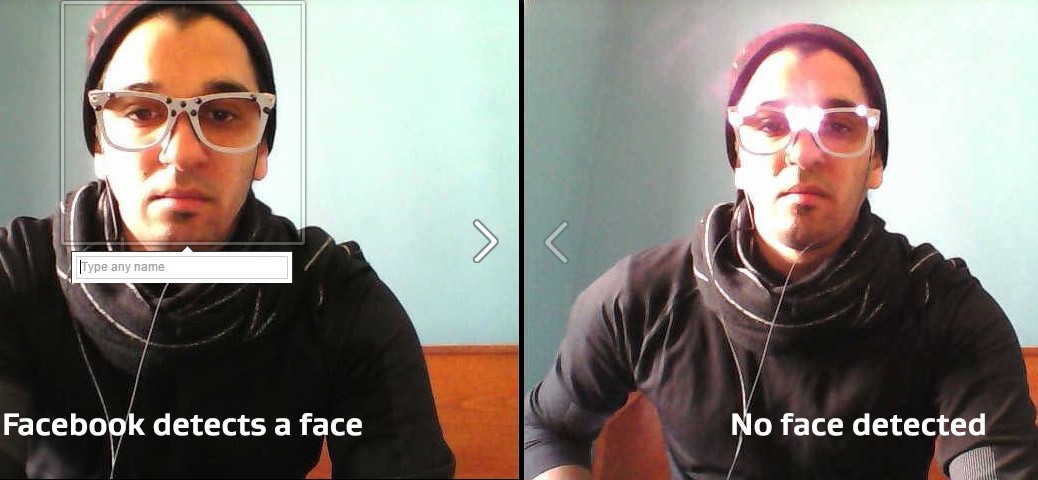
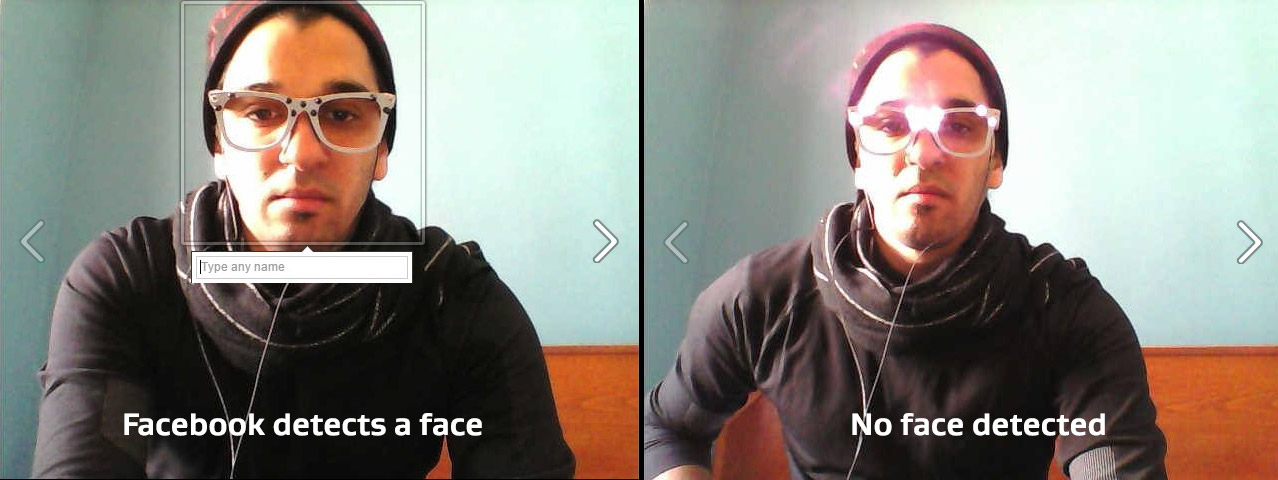
The idea is to place infrared LEDs inserted around the eyes and the nose areas. Since the infrared lights are completely invisible to human eyes, they are only detectable by cameras which are sensitive to the wavelengths of these LEDs. They claim to break face detection when the lights are on.

In this example we show how infrared can be used to avoid Facebook’s facial recognition technology.

Facebook face recognition

One drawback of this approach is that many cellphone camera sensors have an infrared filter strong enough to cut off any wavelengths beyond the visible spectrum.


Retro-reflective Materials
These specialist materials help maintain your privacy at the moment that the image is actually taken.

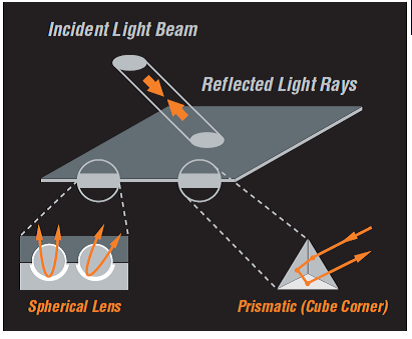
Retro-reflective

Image courtesy of 3m


While most surfaces reflect light by diffusing or scattering it in all directions, retro-reflective materials are specially designed to reflect light back at the same angle as it arrived.

If caught in flash photography, retro-reflective materials will send most of the light back to the sensor. This will result in an image that will put the Dynamic Range of the camera sensor to test.

AVG Invisibility Glasses flash test


A noticeable drawback of this approach is that it only works with flash photography as otherwise, not enough light will be sent back to distort the camera sensor. Secondly, a camera with higher dynamic range can be used to minimize the darkening of the subject.


When can I get my own invisibility glasses?

At this stage, invisibility glasses, including those we will be displaying at Pepcom are just a proof of concept .

Rather than designing a product for market release, tech experts are investigating how technology can adapt to combat the daily erosion of our privacy in the digital age. Don’t expect to see them for sale any time soon!


Come and see us

If you are visiting Pepcom in Barcelona next week, please come and talk to the AVG team, we’d love to meet you and give you a demonstration of our invisibility glasses!


The choices women face in tech

Whether it is for equal career opportunities or equal compensation, the technology industry is in the spotlight for all the wrong reasons (as highlighted by this Newsweek cover a few weeks back)

With several years’ experience at the senior level in the technology industry, I’ll be sharing my thoughts and advice on how women can forge a successful career in tech.

I’ll aslo discuss the boardroom vs baby debate and underline the crucial importance of a career roadmap for women. Many of us carefully plan for our wedding day – a one day event in our lives – but don’t plan for the critical decisions we must make about our careers and our families

Video

Boardroom or Baby At SXSW Interactive 2015


If you are going to be in Austin, please do come by and join in the debate.

Boardroom or Baby?

SXSW Interactive 2015

Room 407, JW Marriott

3:30pm, March 14th

Is momentum gathering for women in tech?

Many of you who didn’t see the Oscars will have no doubt heard about Best Actress winner Patricia Arquette’s acceptance speech. In a rousing call to arms she demanded equal pay for women.

She said, in part, “To every woman who gave birth, to every taxpayer and citizen of this nation, we have fought for everybody else’s equal rights, it’s our time to have wage equality once and for all, and equal rights for women in the United States of America.” (For those who missed it, you can see a clip here.)

Her brief acceptance speech galvanized the Hollywood audience. Although I believe she had the right intentions, her after-Oscar remarks also earned criticism in some camps, specifically African Americans and members of the LBGT communities, who faulted her choice of words for being insensitive, and for not calling out “all” women specifically.

But the essence of the remarks resonated this week at the first-ever, sold-out “Lead On Conference for Women,” held in Silicon Valley.  It certainly resonated with keynote speaker Hillary Clinton, former Secretary of State and presumptive candidate for the U.S. presidency.

Said Clinton in her keynote, “She’s right — it is time to have wage equality once and for all.”

The one-day Lead On Conference had more than 100 speakers, including tech industry luminaries such as Kara Swisher of Re/Code, who interviewed Hillary, and others who have made their mark elsewhere, such as Jill Abramson, best known as the first female executive editor of the New York Times. The agenda was full of many more extraordinary women – and a few men sprinkled in as well :).

Hillary Clinton Lead On

Image courtesy of recode


But the killer keynote came from Clinton, giving her first public speech this year.

Clinton is no stranger when it comes to Silicon Valley and is a strong supporter of Girls Who Code, a national nonprofit dedicated to closing the gender gap in tech.

In her keynote, among other points, she voiced concern about the dearth of women in tech and the lack of a pipeline. She focused on the numbers, which do not lie: including the fact that currently, women receive only 18 percent of computer science degrees — which is, amazingly, less than half of those awarded in the 1980s, when women earned 38 percent of those degrees. “We’re going backwards in a field that is supposed to be all about moving forward,” Clinton said.

As for pay parity, both inside and outside of tech, it’s a big issue.  According to the most recent surveys by the BLS, women made 82 percent of the median weekly earnings of male full-time wage and salary workers.

For the tech industry, we see pay gaps and opportunity all around us. In fact, in a recent study last November, Glassdoor found that of 25 tech companies surveyed, “At most of these companies, men report earning a higher base salary than women for the same role.” (You can see a chart breaking compensation down by company and job title.)

It’s encouraging to be seeing momentum building for pay parity and a major political player who gets the importance of tech, and, moreover, the importance of women in tech. Bravo to both Clinton, and to Arquette.

Although we have a long way to go…there are baby steps happening!

As for myself, I am looking forward to continuing this conversation as a speaker at the 2015 SXSW Interactive program with a Core Conversation on “Boardroom or Baby” on March 14th.

For a preview take a look at the accompanying blog post. And, if you are going to be in Austin – join me there!

Title image courtesy of Chicago Tribune

Lenovo and the Superfish

This sounds like the title of a children’s book, but unfortunately the issue highlighted in the press this week is more concerning than a story. The pre-loading of the SuperFish software on the Lenovo machines introduced a vulnerability to users even before they unboxed their new laptop.

There are several issues with the pre-installed application, one is that it is an ad-injector which inserts adverts into your browser based on what you are searching for, and without being an expert at identifying these you might be directed to sites to purchase things without understanding why.

To do this more effectively, Superfish also installs a root certificate which allows them to see traffic on encrypted websites, like your banking website, that you might have considered private and secure.

This is a bit like me giving out the keys to your house and could be abused by other malicious people and used to capture passwords and other personal information.

AVG detects and removes the Superfish add-on. If you have attempted to download something it was bundled with then AVG would have detected and blocked it advising the user it was an ‘unwanted application’ and potentially harmful.

This means no part of it was ever installed – good for existing AVG users, but what about if you have purchased a Lenovo and then installed an anti-virus product, the risk here is that full removal of some parts are difficult to remove as they are embedded into the system.

This week Lenovo has been re-active to this and developed a removal tool which you can download here. There are also manual instructions available should you want to do this yourself.

There is a much wider issue for consumers though, it’s becoming very difficult to know which products and manufacturers to trust and who is doing what with our data.

There are discussions in the tech industry on improving transparency so that consumers can once again have confidence in brands.

I believe that over the next few months we will see progress in a more coordinated effort by the security industry to protect users from these types of applications.

If you are at all concerned then be sure to run a full system scan from you Anti-Virus product and ensure that the updates have been run. If you’re running an expired product then either renew it or download the AVG AntiVirus Free solution here.

Follow me on twitter – @tonyatavg