
There’s one question that appears on any Internet platform on which you have to verify your identity with a password: “Forgotten your password?†Companies nowadays know how forgetful we users can be. Particularly when it comes to remembering a complex sequence of letters and numbers that we’ve had to conjure up.
And that’s not all. There are the PINs for your cell phone, your credit card… There are now so many things to commit to memory that it sometimes seems that we just don’t have enough neurons to deal with it all.
As the technology giants are well aware of this human limitation, some are now including fingerprint sensors in devices, so owners confirm their identity simply by placing a finger on the screen. Many mobile devices also include a voice recognition option, though this is rarely activated by users.
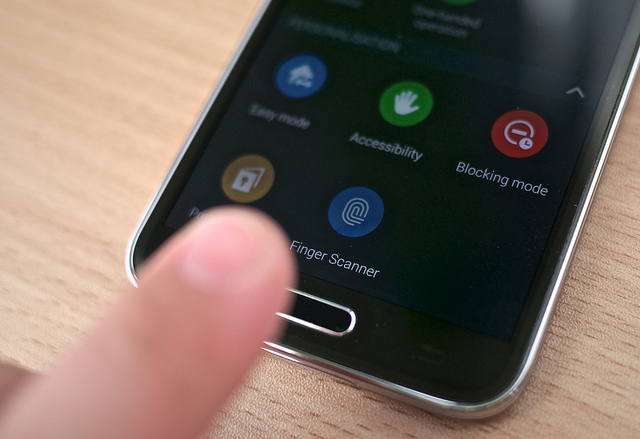
These methods of identification however are still not entirely practical. At least this is what the President’s cybersecurity coordinator, Michael Daniel, believes. He wants to get rid of passwords from the White House forever.
One of the more unusual alternatives suggested by Daniel is for the President’s staff to use selfies.
It would seem that these snap shots could now be used for something other than just posting on social networks. Daniel’s plan would involve installing a series of sensors around the building which could recognize the faces of those entering certain areas of the President’s residence.
Instead of having to stand right in front of the sensor, staff could just show the screen of their cell phones displaying a clear and recognizable selfie.

Daniel believes that technology companies have begun to realize that security measures must not only be functional, they must also take into account how users behave. If these measures are too complicated or difficult, people just won’t use them, he warned.
That’s why selfies could be the perfect answer, as even world leaders have taken to this latest digital craze.
The post White House wants to replace passwords with selfies appeared first on MediaCenter Panda Security.