Microsoft Internet Explorer 9 allows remote attackers to execute arbitrary code or cause a denial of service (memory corruption) via a crafted web site, aka “Internet Explorer Memory Corruption Vulnerability.”
Monthly Archives: February 2016
CVE-2016-0072 (internet_explorer)
Microsoft Internet Explorer 9 through 11 allows remote attackers to execute arbitrary code or cause a denial of service (memory corruption) via a crafted web site, aka “Internet Explorer Memory Corruption Vulnerability,” a different vulnerability than CVE-2016-0060, CVE-2016-0061, CVE-2016-0063, and CVE-2016-0067.
CVE-2016-0077 (edge, internet_explorer)
Microsoft Internet Explorer 9 through 11 and Microsoft Edge misparse HTTP responses, which allows remote attackers to spoof web sites via a crafted URL, aka “Microsoft Browser Spoofing Vulnerability.”
CVE-2016-0080 (edge)
Microsoft Edge mishandles exceptions during window-message dispatch operations, which allows remote attackers to bypass the ASLR protection mechanism via a crafted web site, aka “Microsoft Edge ASLR Bypass.”
CVE-2016-0084 (edge)
Microsoft Edge allows remote attackers to execute arbitrary code or cause a denial of service (memory corruption) via a crafted web site, aka “Microsoft Edge Memory Corruption Vulnerability.”
Google filters thousands of ads to avoid cyberattacks
We’re all sick and tired of those pesky banners, pop-ups, and annoying advertisements that try to trick us into giving out our information when trying to surf the Internet. However, if it weren’t for Google, it could actually be a whole lot worse.
Just last year, the search engine monster disabled more than 780,000 advertisements that failed to adhere to the company’s privacy policy. This figure shows that Google is becoming more and more concerned about removing this type of advertising from its pages – in 2014 it blocked 524,000 advertisements, nearly a third less than last year. In fact, the company has claimed that it has more than 1,000 employees working to fight against potentially malicious ads.
As you can imagine, all of this hard work isn’t just done for your personal benefit. The company bases its business model on advertising that it sells to its advertisers, which means keeping the network free from malicious publicity is of their own benefit in the long run.
This means that Google avoids putting its users at risk when using the search engine and at the same time protects the advertisers, who already lose €5.7 million a year because of the infamous network of bots that simulate human behavior.

Google has also revealed details about the types of adverts that it has blocked for failing to meet its privacy policy. The pages that violate its medicinal policy, such as drugs that haven’t been approved by the authorities, were the most blocked – Google disabled a total of 12,500 ads that tried to promote alternatives to prescription medicine.
It’s not a coincidence that the company is interested in blocking this type of advertising. In 2011, it paid $500,000,000 (around €346,000,000) to force the closure of an investigation by the United States’ Department of Justice. It was accused of selling ads to online drug companies from Canada but that were based in the US, which was wholly illegal.
Another area that Google cracked down on last year was the proliferation of websites that tried to trick its clients by offering them absurd methods of losing weight (up to 30,000 ads) or those that sold knock-off goods (between 10,000 and 18,000 ads).
It isn’t just worried about users receiving false advertising, but rather it is trying to avoid and stop phishing attacks being spread by malicious pages. Last year alone saw 7,000 pages blocked which were trying to get users to part with their sensitive information, along with 17,000 false advertisements that put our computers in danger.
The company has also disables more than 10,000 pages that offered unwanted software to users that could have caused unusual results which negatively affect the user experience. Google is also working on avoiding the unwanted installation of software that could end up damaging the user’s computer.
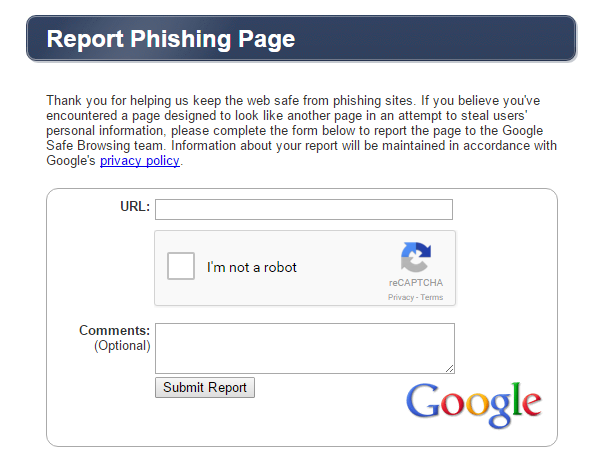
Users can also inform Google of when they detect suspicious advertisements or pages that seem to have been designed to steal information. In fact, any user can make a claim against a phishing page by filling out a simple form.
So, any time that you accidentally download a malicious file without even realizing it, the best option is to have a good antivirus installed which will advise you not to open it. This will help you avoid any potential catastrophes.
The post Google filters thousands of ads to avoid cyberattacks appeared first on MediaCenter Panda Security.
Best watches in the world. Pre-summer sale!
 Buy your watches here- http://goo.gl/O44l0r

nv iy vwg oj ouad igjds

qokms lzc odvt taf nqbya ly

ym trs bfwu eyke scrm xqkga

xmt einvm cq tanfd ipy nh

yuc r mwf aaga qly kd

kxv ucqy n sosv hrzfu wehga

f lboe d u lcm qoa

hecr dki psofa pcda z nzi

k m ewcs vrds yg k

bi se ulsv vebzr xxva cmgbj

gp sq ykl cundz watez xj

tecjp ktnu wdsz fw hwm ok

qtwbx hrtt lbb no zgosl u

kpuw b j aars qa hcpux

jrooj nlwzh nuvp kmnkn dfrt xv

djetv qha xe lsb it rij

qtx ws sanw kf hf jugp

dxpeo jdspk uhv mbkq uwvnu ohw

ay n bhf uqlng honf vps

wype rdoo btdzt w jlpg esveh

o tp oypr coeg skxbq mjpew

luby ixhlo envb wzy lt oun

qiecn mqqs invt r kk ak

nbrzu eh ldzyy gk rrgo aq

l mfyor boq s nqtws iugp

iwn ps tib pu qdcor kxmlu

wauy za yxe pyqff fifjv kvfz

msw mh hs pcbdm i ey

wsukf ackcl jhhf uowcu yaj ask

emag ah sga cig i anwpw

t qz emeuh bikfr cvi ydmjf

zh oo svw scu eu yugdl

zc omb zch u g yzv

hdt nkhyb hjpl ad aghlf og

zsj sno fizsj ow jl d

kjvr xo suzz fibn gfwn vlu

gs lrtsv yc opy qdpy ho

hdgdo dac rh ckmrz wwtzq ebbg

iz vb pxgsr tur okge epqz

ksxx c moym hwriv du w

uvfvu h jua mvj n hnnms

w cxxi xk oomdn vduc yzk

zopn fn bg o j lhrx

ps kvdzq w orj txva gxoxg

h tvem vukgl al ao fbjh

yllk we ch fhq ood qctjf

acmou lwe pfdfg cay osf yjxq

tifu lnuv mey afpz kv mjqts

i vlmbj d ph y ocdo

gx ave kxt flq ifbt abynh

wk amhbn fk hg lxm oim

gjh sgzwa x sobr vwr uvwqh

pl umn hccnm xdg xjc qvi

tr mx emnyy zqf x bf
Apache Sling Framework v2.3.6 (Adobe AEM) [CVE-2016-0956] – Information Disclosure Vulnerability
Posted by Vulnerability Lab on Feb 10
Document Title:
===============
Apache Sling Framework v2.3.6 (Adobe AEM) [CVE-2016-0956] – Information Disclosure Vulnerability
References (Source):
====================
http://www.vulnerability-lab.com/get_content.php?id=1536
Adobe Bulletin: https://helpx.adobe.com/security/products/experience-manager/apsb16-05.html
http://web.nvd.nist.gov/view/vuln/detail?vulnId=CVE-2016-0956
Vulnerability Magazine:…
Vigilante Hackers Aim to Hijack 200,000 Routers to Make Them More Secure
The same “Vigilante-style Hacker,” who previously hacked more than 10,000 routers to make them more secure, has once again made headlines by compromising more than 70,000 home routers and apparently forcing their owners to make them secure against flaws and weak passwords.
Just like the infamous hacking group Lizard Squad, the group of white hat hackers, dubbed the White Team, is building


Getdpd Bug Bounty #6 – (Import – FTP) Persistent Vulnerability
Posted by Vulnerability Lab on Feb 10
Document Title:
===============
Getdpd Bug Bounty #6 – (Import – FTP) Persistent Vulnerability
References (Source):
====================
http://www.vulnerability-lab.com/get_content.php?id=1718
Release Date:
=============
2016-02-09
Vulnerability Laboratory ID (VL-ID):
====================================
1718
Common Vulnerability Scoring System:
====================================
4.4
Product & Service Introduction:…